


Table of Contents
- Quick Verdict: Organic Coffee
- What Actually Makes Coffee "Organic"?
- The Certification Process
- What Is Different About Non-Organic Coffee?
- Organic vs Non-Organic Coffee: Side-by-Side Comparison
- Does Organic Coffee Taste Better?
- What Really Affects Taste
- Health Considerations: Keep the Claims Modest
- What About Mold and Mycotoxins?
- Environmental Impact: Where Organic Has Its Strongest Case
- Who Should Pay Extra for Organic Coffee?
- Organic Is Worth Considering If You:
- You Can Skip Organic If You:
- How to Buy Organic Coffee Without Overpaying
- Conclusion: Is Organic Coffee Worth the Extra Cost?
Organic coffee sounds like the responsible choice. It also usually costs more. That makes the decision feel heavier than it should when you are standing in front of two bags of beans and just trying to buy something good for the week.
The honest answer is not “organic is always better” or “organic is just marketing.” Organic certification tells you something specific about how the coffee was grown. It does not guarantee better flavor, cleaner roasting, fairer trade, or fresher beans. Those things can overlap with organic coffee, but they are not automatically included in the label.
Quick Verdict: Organic Coffee
Organic coffee can be worth the extra cost if you care about farming practices, lower synthetic chemical use, and environmental impact. It is not automatically worth it if your only goal is the best-tasting cup for the money.
If you can choose between stale organic beans and freshly roasted non-organic beans from a careful roaster, choose the fresh coffee. If you can find fresh, well-sourced organic coffee that fits your budget, that is the stronger choice.
What Actually Makes Coffee “Organic”?
In the United States, certified organic coffee must be grown and handled according to organic standards. In plain terms, that means the farm cannot use most synthetic pesticides, herbicides, or fertilizers, and the operation has to follow rules around soil management, recordkeeping, and separation from non-organic crops. The USDA organic certification program is the official place to check what certification actually covers.
That matters, but it is narrower than many shoppers assume. Organic is a farming and certification standard. It is not a taste score.
The Certification Process

Certification takes work. Farms and handlers may need to document inputs, maintain buffer zones, pass inspections, and pay certification costs. For small producers, those costs can be meaningful. Some farms may use organic practices but skip certification because the paperwork and fees do not make sense for their market.
That is one reason coffee labels can be confusing. “Certified organic” is verifiable. “Naturally grown,” “chemical-free,” and “clean coffee” are softer claims unless the roaster explains what they mean.
What Is Different About Non-Organic Coffee?

Conventional coffee farming may use synthetic fertilizers, herbicides, fungicides, or pesticides where allowed by local regulations. Those tools can help control disease and improve yields, which can lower costs. They can also create concerns around runoff, soil health, biodiversity, and worker exposure if poorly managed.
But non-organic does not automatically mean careless. Some conventional farms are well run, shade-grown, quality-focused, and transparent. Some certified organic coffee is badly roasted or old by the time it reaches you. The label is useful, but it is only one piece of the buying decision.
Organic vs Non-Organic Coffee: Side-by-Side Comparison

| Factor | Organic Coffee | Non-Organic Coffee |
|---|---|---|
| Farming inputs | Restricts most synthetic pesticides and fertilizers | May use approved conventional inputs |
| Flavor | Depends on variety, origin, processing, roast, and freshness | Depends on the same factors |
| Price | Often higher due to certification and lower yields | Often lower, but specialty lots can still be expensive |
| Environmental case | Generally stronger around chemical runoff and soil practices | Varies widely by farm and region |
| Health case | May reduce concern about residues | Roasting and processing reduce many residue concerns, but practices vary |
| Best buying signal | Organic plus fresh roast date and transparent sourcing | Fresh roast date, transparent sourcing, and strong quality control |
Does Organic Coffee Taste Better?
Not reliably. Organic certification does not tell you whether the coffee is high-grown, carefully picked, well processed, recently roasted, or brewed correctly. Those factors do far more for flavor than the organic label alone.
A fresh non-organic single-origin from a good roaster can easily beat an old organic supermarket bag. The reverse can also be true: a fresh organic lot from a serious roaster can be excellent. The label does not settle the cup.
What Really Affects Taste
- Freshness: Roast date matters more than most label claims.
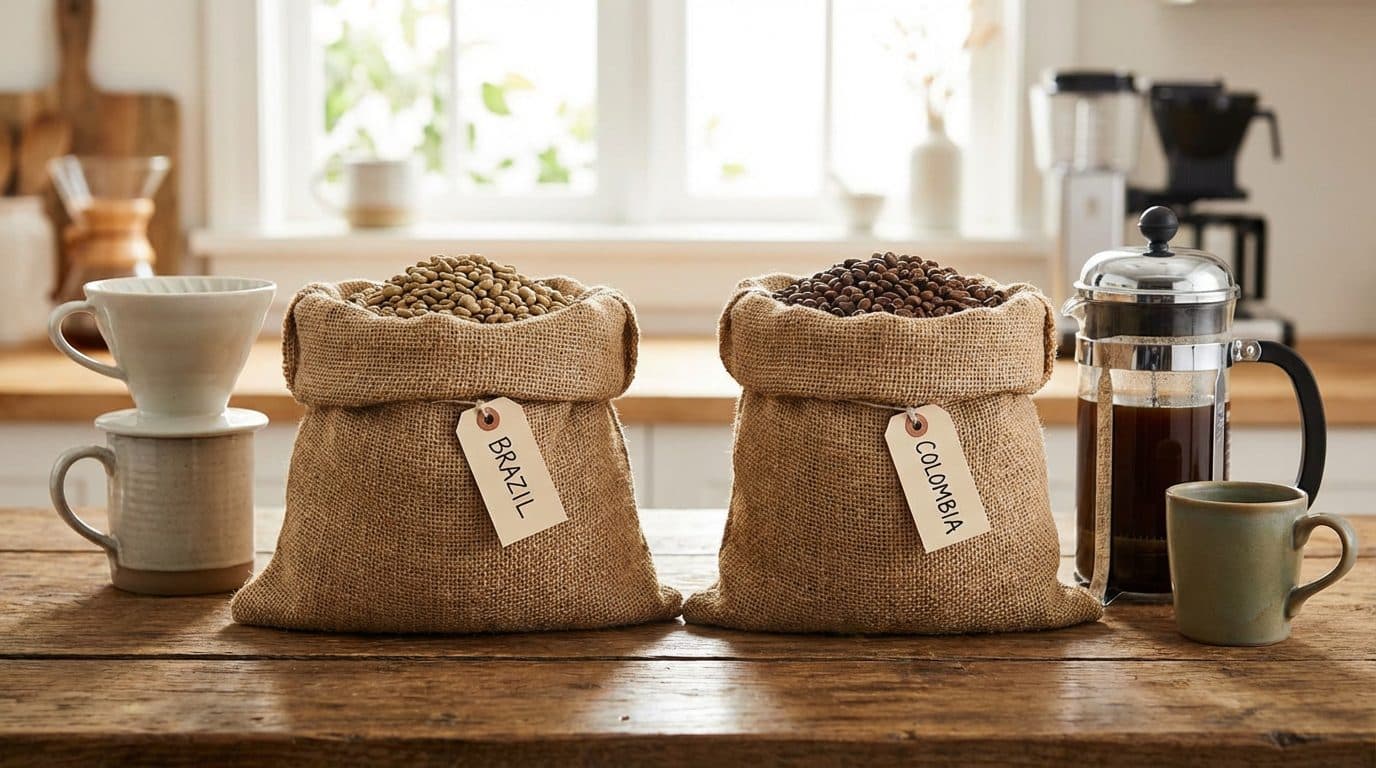
- Origin and variety: Region, altitude, and plant variety shape flavor.
- Processing: Washed, natural, honey, and experimental processes can taste very different.
- Roast quality: A skilled roast can preserve sweetness and clarity; a poor roast can flatten good beans.
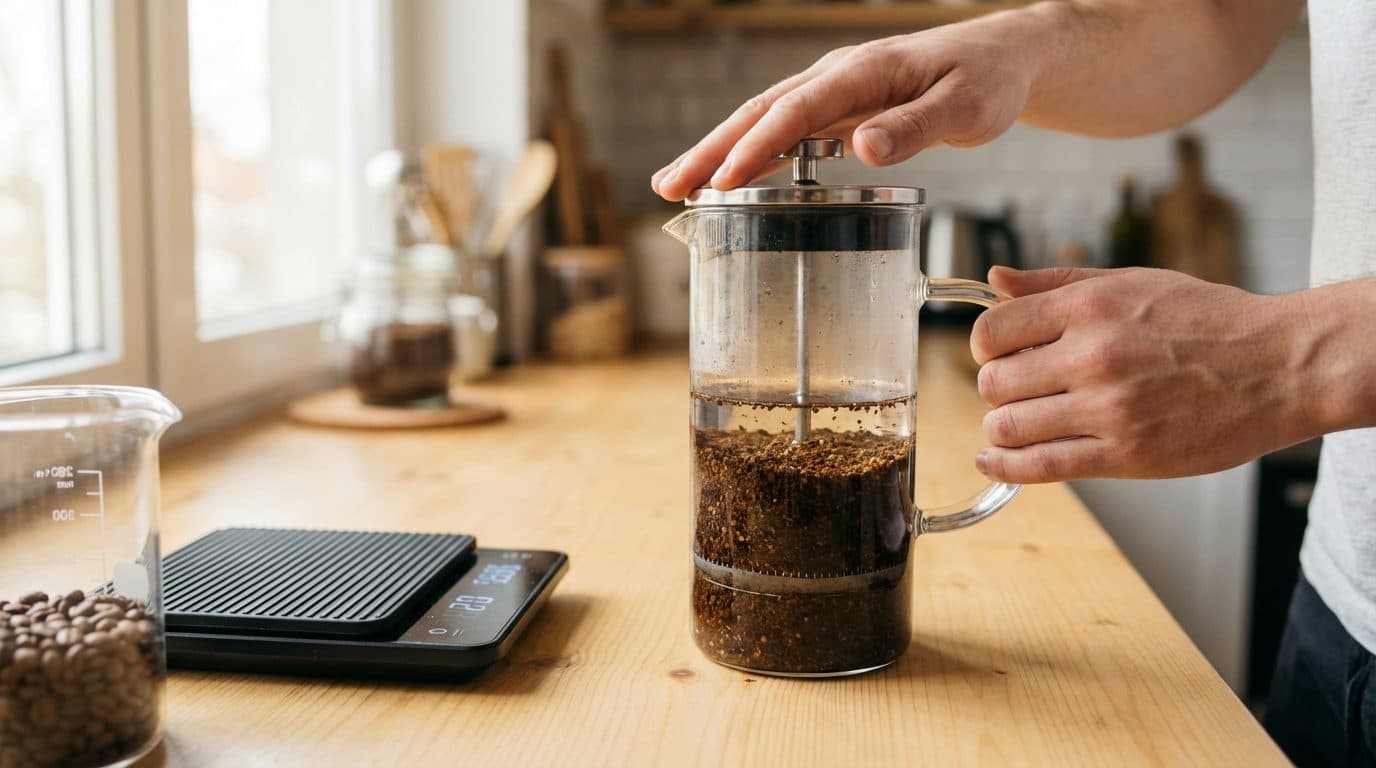
- Brewing: Grind size, water, ratio, and technique can make or break either type.
Practical buying rule: If taste is the priority, start with roast date and roaster reputation. Then use organic certification as an additional preference, not the main shortcut.
Health Considerations: Keep the Claims Modest
Many people buy organic coffee to reduce exposure to synthetic pesticide residues. That is a reasonable preference. It should also be framed carefully. Coffee is processed, dried, roasted at high temperatures, ground, and brewed. Those steps can reduce residue concerns, and brewed coffee is not the same as eating raw produce.
Still, lower concern is not the same as no concern for everyone. If you drink several cups a day and prefer to reduce synthetic chemical exposure where practical, organic coffee may be worth the premium for peace of mind. If you have a medical condition, pregnancy-related concerns, or chemical sensitivities, ask a qualified healthcare professional rather than relying on coffee marketing.
What About Mold and Mycotoxins?
Organic coffee is not automatically “mold-free.” Mycotoxin risk is more about harvest, drying, storage, transport, and quality control than organic certification alone. A careful conventional roaster can have cleaner handling than a careless organic supply chain.
Be skeptical of brands that imply organic coffee is the only safe coffee. Look for transparent sourcing, good storage, fresh roasting, and testing claims that are specific rather than dramatic.
Environmental Impact: Where Organic Has Its Strongest Case
The clearest argument for organic coffee is environmental. Organic standards push farms away from many synthetic inputs and toward practices that can support soil health and reduce chemical runoff. When organic farming is paired with shade-grown systems, biodiversity protection, and fair pricing, the case becomes stronger.
- Reduced reliance on synthetic pesticides and herbicides.
- Potentially better soil-building practices.
- Lower risk of chemical runoff into nearby water systems.
- Potential benefits for farm workers who handle fewer synthetic chemicals.
- Often, though not always, closer alignment with shade-grown and sustainability programs.
The caution: organic is not the only sustainability signal. Certifications such as Fair Trade, Rainforest Alliance, direct trade relationships, shade-grown claims, and roaster transparency can also matter. The best bag is often the one with several credible signals, not one badge doing all the work.
Who Should Pay Extra for Organic Coffee?
Organic Is Worth Considering If You:
- Prioritize environmental farming practices.
- Want to reduce synthetic pesticide exposure where reasonably possible.
- Drink coffee daily and the price difference fits your budget.
- Can find organic beans that are also fresh and well roasted.
- Prefer to support farms and roasters with clear sustainability standards.
You Can Skip Organic If You:
- Are choosing between fresh non-organic coffee and stale organic coffee.
- Need the best flavor per dollar on a tight budget.
- Only drink coffee occasionally and do not feel strongly about farming inputs.
- Assume organic automatically means better taste, safer coffee, or better farmer pay.
How to Buy Organic Coffee Without Overpaying
If you decide organic matters to you, buy it the same way you would buy any good specialty coffee: carefully.
- Look for a roast date: Avoid premium-priced bags with no freshness information.
- Buy whole beans: They keep better than pre-ground coffee.
- Read beyond the badge: Origin, process, roast level, and roaster transparency matter.
- Try local roasters: Fresh local organic beans can be a better value than old supermarket bags.
- Compare subscriptions: A recurring order can lower the price if you drink the same amount each month.
- Do not stockpile open bags: Organic beans still go stale.
Conclusion: Is Organic Coffee Worth the Extra Cost?
Organic coffee is worth the extra cost when the premium buys farming practices you care about and the beans are still fresh, well roasted, and enjoyable. It is not worth paying extra for an old bag just because the label sounds cleaner.
My practical recommendation is to avoid making this a purity test. Buy the freshest, best-sourced coffee you can afford. If organic is available within that standard, great. If not, a transparent roaster with fresh conventional beans can still make an excellent and responsible cup.

Comments