


Table of Contents
- Quick Verdict: Matching Roast to Brew Method
- What Actually Changes Between Light and Dark Roasts
- Pour-Over and Chemex: Light Roast Territory
- What About Medium Roasts?
- French Press: Dark Roast's Happy Place
- Espresso: The Great Debate
- Cold Brew: Medium-Dark Wins
- Drip Coffee Makers: The Medium Roast Machine
- Pros and Cons at a Glance
- Light Roast
- Dark Roast
- Who Should Choose What
- Final Thoughts
There’s this moment every morning when I crack open a fresh bag of light roast Ethiopian—my whole kitchen fills with this bright, almost tea-like floral scent that makes me feel like I’m actually awake before the caffeine even kicks in. Dark roast? Completely different vibe. Smoky, chocolatey, like a warm hug from a campfire.
So here’s the short answer on light roast vs dark roast: neither is objectively “better.” But one will absolutely taste better in YOUR favorite brew method. Light roasts shine in pour-over and AeroPress. Dark roasts dominate espresso and French Press. The real magic happens when you match roast level to brewing style.
Most people get this backwards. They pick a roast based on caffeine myths or what looks “stronger,” then wonder why their coffee tastes off. Let me break down exactly which roast works best for each method—and why.
Quick Verdict: Matching Roast to Brew Method
Quick Verdict:
- Best for pour-over (V60, Chemex): Light to medium roast
- Best for French Press: Medium-dark to dark roast
- Best for espresso: Medium to dark roast (unless you’re into fruity shots)
- Best for cold brew: Medium-dark roast
- Best for AeroPress: Light to medium roast (versatile though)
- Best for drip/auto machines: Medium roast
Now let me explain why these pairings actually work.
What Actually Changes Between Light and Dark Roasts

Here’s something that surprised me when I first got into specialty coffee: the roast level changes way more than just color. It fundamentally alters the bean’s structure, solubility, and flavor compounds.
| Characteristic | Light Roast | Dark Roast |
|---|---|---|
| Bean density | Dense, hard | Porous, brittle |
| Solubility | Lower (harder to extract) | Higher (extracts quickly) |
| Dominant flavors | Origin character, fruit, acidity | Roast character, chocolate, smoke |
| Caffeine | Slightly more per bean | Slightly less per bean |
| Body | Tea-like, lighter | Full, syrupy |
That solubility difference? That’s the whole game. Dark roasts give up their flavors fast. Light roasts make you work for it.
Pour-Over and Chemex: Light Roast Territory
Pour-over methods like the V60 and Chemex are designed for clarity. They use paper filters that strip out oils and sediment, leaving you with a clean, transparent cup. This is where light roasts absolutely sing.
I learned this the hard way. Years ago, I brewed a beautiful dark roast Colombian through my Chemex expecting rich chocolate notes. What I got was thin, ashy, and weirdly hollow. The paper filter removed all the oils that give dark roasts their body, and the slow extraction over-extracted the bitter compounds.
Light roasts need that longer contact time. Their dense structure requires patience. A 3:00-3:30 pour-over at 94°C-96°C water temperature pulls out those delicate florals and fruit acids without tipping into sourness.
Barista Tip: If your light roast pour-over tastes sour, grind finer or extend your brew time by 15-20 seconds. Under-extraction is the usual culprit.
What About Medium Roasts?

Honestly? Medium roasts are the safe choice for pour-over. You get some origin character plus a bit of caramelized sweetness. Nothing wrong with that. But if you’re investing in single-origin beans, go lighter to actually taste where they came from.
French Press: Dark Roast’s Happy Place
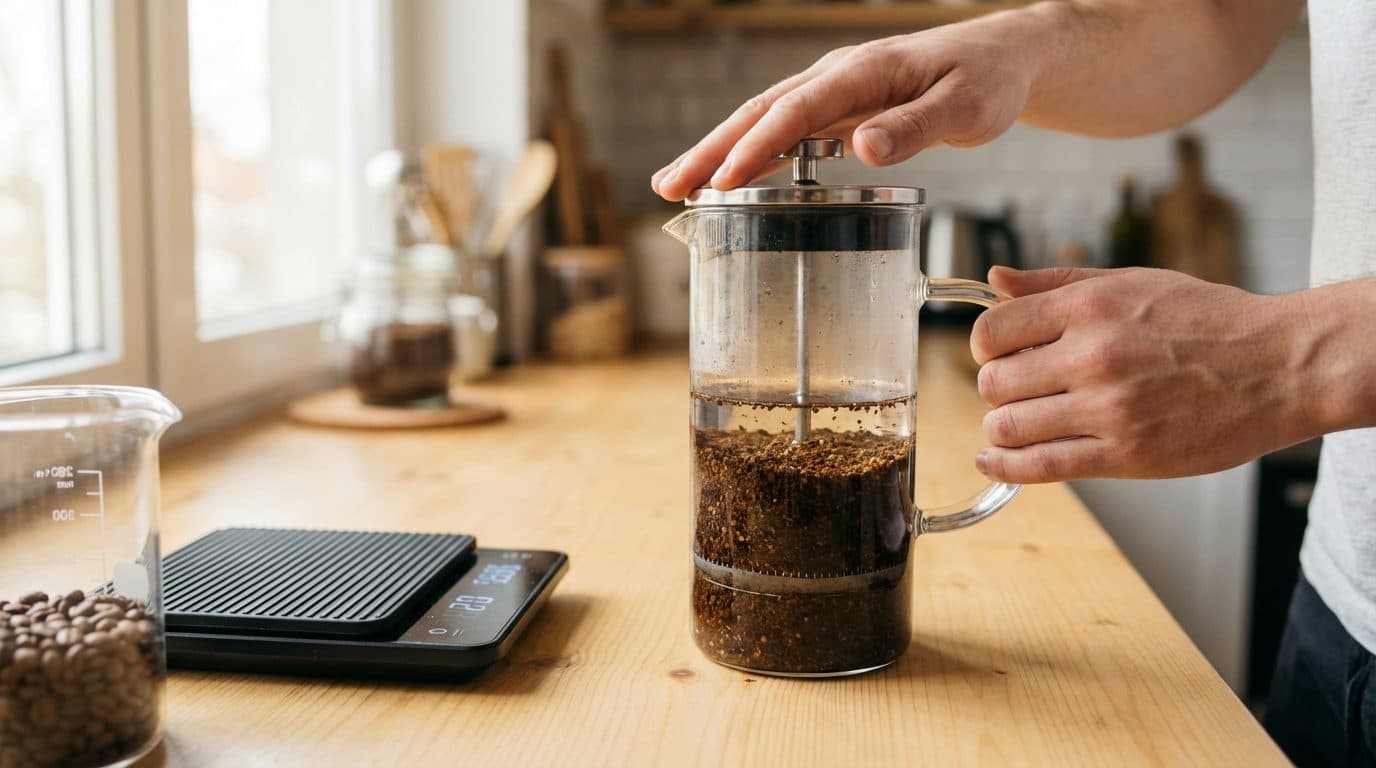
French Press is the opposite philosophy. No paper filter. Full immersion. All those oils stay in your cup.
Dark roasts were basically made for this. Their porous structure extracts evenly during the 4-minute steep, and those chocolatey, nutty, smoky notes get amplified by the oils that make it through the metal mesh. The result is thick, rich, and satisfying.
Light roasts in French Press? Tricky. Not impossible, but tricky. You’ll need to grind coarser than usual and maybe extend steep time to 5-6 minutes. Even then, you might get a muddy cup that doesn’t showcase those bright flavors properly. My barista friend swears by light roast French Press, but frankly, I think she’s just being contrarian.
Here’s the ugly truth: most people who say they hate French Press coffee have only tried it with stale pre-ground dark roast. Fresh beans, coarse grind, 4 minutes exactly, 93°C water. It’s a different experience entirely.
Espresso: The Great Debate

This one gets heated. Traditional Italian espresso culture says dark roast, period. Third-wave specialty coffee says light roast can be transcendent. Who’s right?
Both. Sort of.
Dark roast espresso is forgiving. The high solubility means you can pull a decent shot even if your grind or timing is slightly off. You get that classic crema, bittersweet chocolate, and caramel. It’s what most people picture when they think “espresso.”
Light roast espresso is a different animal. It’s acidic, fruity, sometimes almost wine-like. But it requires precision. Your grind needs to be dialed in perfectly. Your machine needs stable temperature. One variable off and you’re drinking lemon juice.
I hate to admit it, but I ruined probably 15 shots before I got my first good light roast espresso. Was it worth it? The blueberry notes in that Ethiopian Yirgacheffe shot were unreal. But I wouldn’t recommend it for beginners.
My recommendation: Start with medium-dark for espresso. Once you’re consistently pulling good shots, experiment lighter.
Cold Brew: Medium-Dark Wins
Cold brew’s long extraction time (12-24 hours) changes everything. The cold water pulls different compounds than hot water—less acidity, more sweetness, smoother overall.
Light roasts in cold brew often taste flat. That bright acidity that makes them special in hot methods just… disappears. You’re left with something watery and forgettable.
Medium-dark roasts give you chocolate, caramel, and a natural sweetness that works perfectly over ice. The extended steep time doesn’t over-extract because cold water is gentler.
One counter-intuitive insight: don’t go too dark. Super dark roasts can turn bitter and ashy in cold brew because you’re extracting for so long. Medium-dark is the sweet spot.
Drip Coffee Makers: The Medium Roast Machine
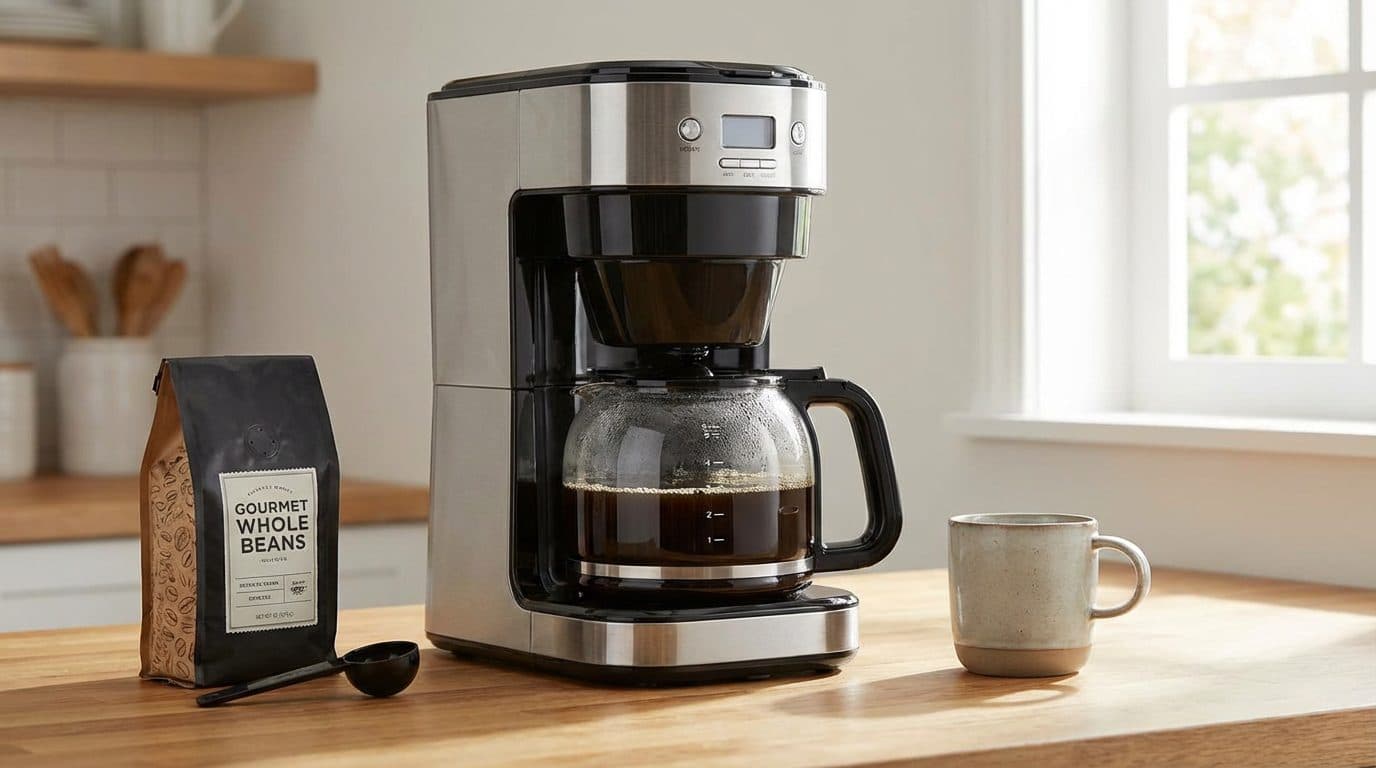
Auto-drip machines are designed around medium roast. The water temperature, flow rate, and contact time are all calibrated for that middle ground. This isn’t exciting advice, but it’s true.
Can you use light or dark? Sure. But you’re fighting the machine’s design. Light roasts often under-extract (sour). Dark roasts can over-extract (bitter). Medium roasts just… work.
Pros and Cons at a Glance
Light Roast

Pros:
- Complex, nuanced flavors
- Showcases bean origin
- Higher antioxidant content
- Slightly more caffeine per bean
Cons:
- Harder to extract properly
- Can taste sour if under-extracted
- Less forgiving of brewing mistakes
- Not ideal for milk drinks
Dark Roast
Pros:
- Bold, consistent flavor
- Forgiving to brew
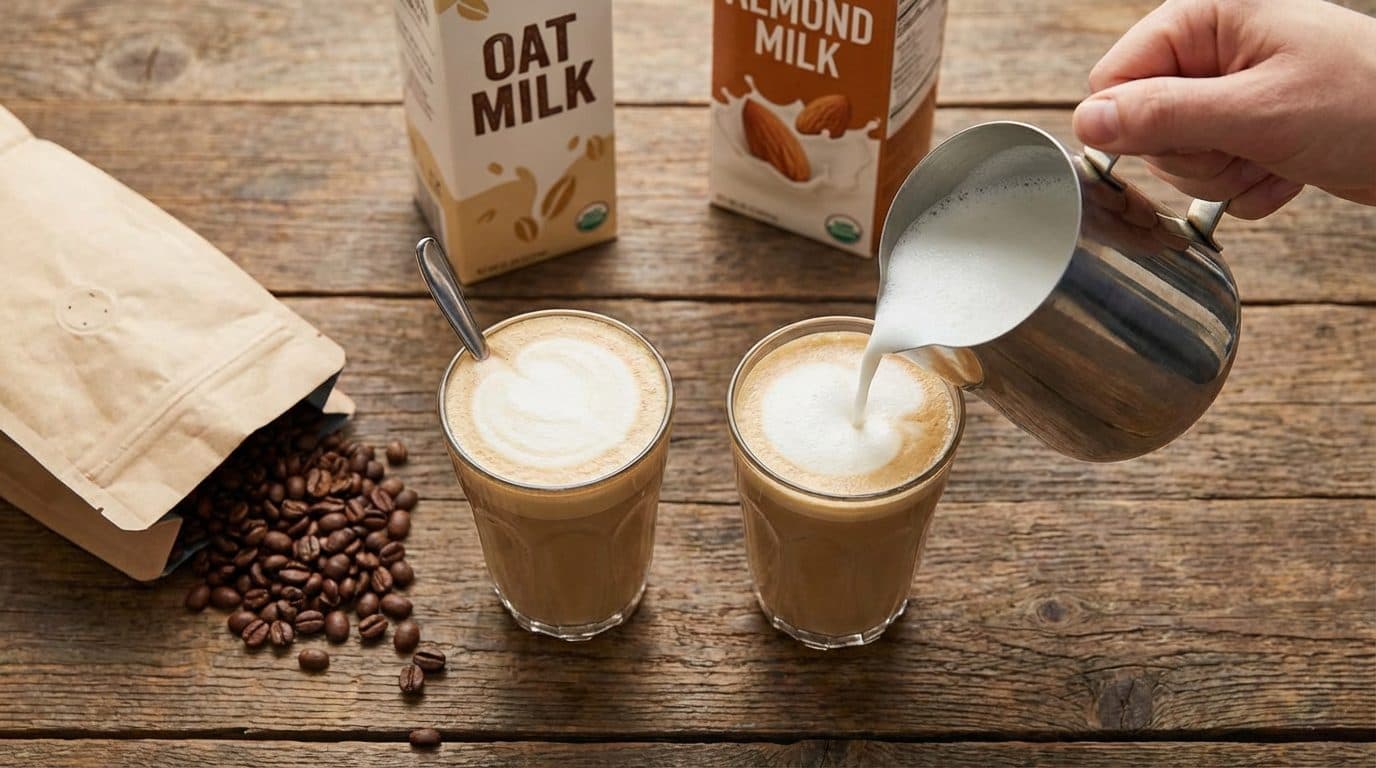
- Pairs well with milk and sugar
- Full body and low acidity
Cons:
- Masks origin characteristics
- Can taste burnt if over-roasted
- Less complexity
- Oils go rancid faster
Who Should Choose What
Choose light roast if:
- You drink black coffee
- You enjoy tea or wine
- You want to taste origin differences
- You use pour-over or AeroPress
Choose dark roast if:
- You add milk or cream
- You prefer bold, straightforward flavor
- You use French Press or espresso
- You want consistency over complexity
Final Thoughts
The “best” roast doesn’t exist in a vacuum. It depends entirely on how you’re brewing and what flavors you enjoy. I keep both light and dark roasts in my kitchen because my morning V60 ritual calls for something different than my afternoon French Press.
Start by matching roast to method using the guidelines above. Then experiment. Try a light roast in your French Press just to see what happens. You might hate it. You might discover something new.
That’s the fun part of coffee, honestly. There’s always another variable to tweak.

Comments