


Table of Contents
- The Science Behind Lactose-Free Milk's Sweetness
- Why Broken-Down Sugars Taste Sweeter
- How Lactose-Free Milk Changes Your Coffee Experience
- Flavor Profile Shifts
- Texture and Frothing Considerations
- Benefits of Using Lactose-Free Milk in Coffee
- Digestive Comfort
- Natural Sweetness Without Added Sugar
- Nutritional Parity
- Potential Drawbacks to Consider
- The Sweetness Isn't For Everyone
- Price Difference
- Not Suitable for Dairy Allergies
- Best Coffee Pairings for Lactose-Free Milk
- Light to Medium Roasts
- Cold Brew Coffee
- Espresso-Based Drinks
- Frequently Asked Questions
- Does lactose-free milk have more sugar than regular milk?
- Can I froth lactose-free milk for lattes and cappuccinos?
- Will lactose-free milk curdle in my coffee?
- Is lactose-free milk healthier than regular milk?
- Why does my coffee taste sweeter with lactose-free milk even though I didn't add sugar?
- Conclusion: Is Lactose-Free Milk Right for Your Coffee?
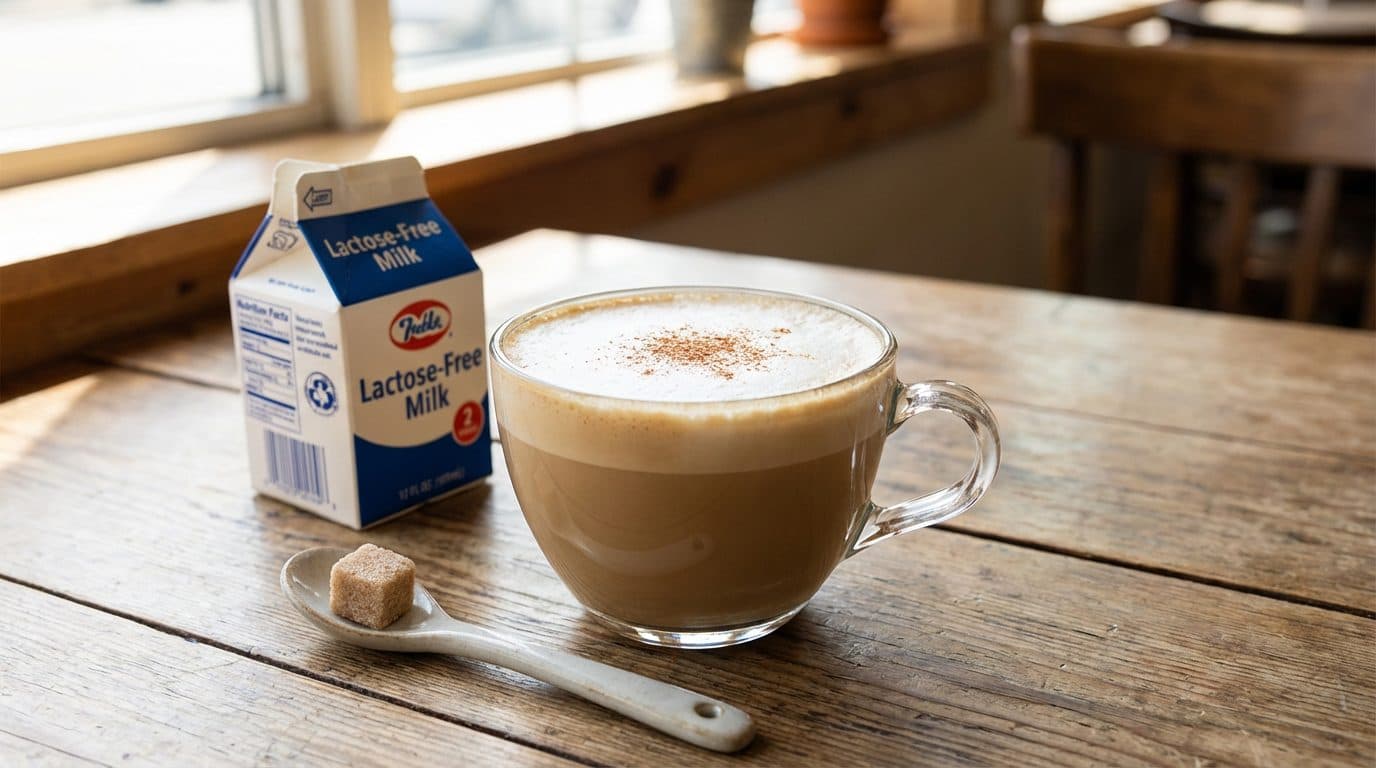
Have you ever switched to lactose-free milk in your morning coffee and noticed something unexpected? That subtle sweetness hitting your palate, almost like someone snuck a little sugar into your cup. You’re not imagining things. Lactose-free milk genuinely tastes sweeter than regular milk, and there’s a fascinating science behind it. If you’ve been wondering why your lactose-free coffee drinks taste different—or if you’re considering making the switch—you’re in the right place.
In this post, I’ll break down exactly why lactose-free milk in coffee delivers that extra sweetness, how it affects your brewing experience, and whether it’s the right choice for your daily cup. Let’s dive into the delicious details.
The Science Behind Lactose-Free Milk’s Sweetness
Here’s the thing most people don’t realize: lactose-free milk isn’t actually missing anything. It contains the same amount of sugar as regular milk. The difference lies in how that sugar is structured—and that’s where the sweetness magic happens.
Regular milk contains lactose, a complex sugar (disaccharide) made up of two simpler sugars: glucose and galactose. Your taste buds don’t perceive lactose as particularly sweet because it’s a larger molecule. In lactose-free milk, manufacturers add an enzyme called lactase that pre-digests the lactose, breaking it down into its component parts.
Why Broken-Down Sugars Taste Sweeter
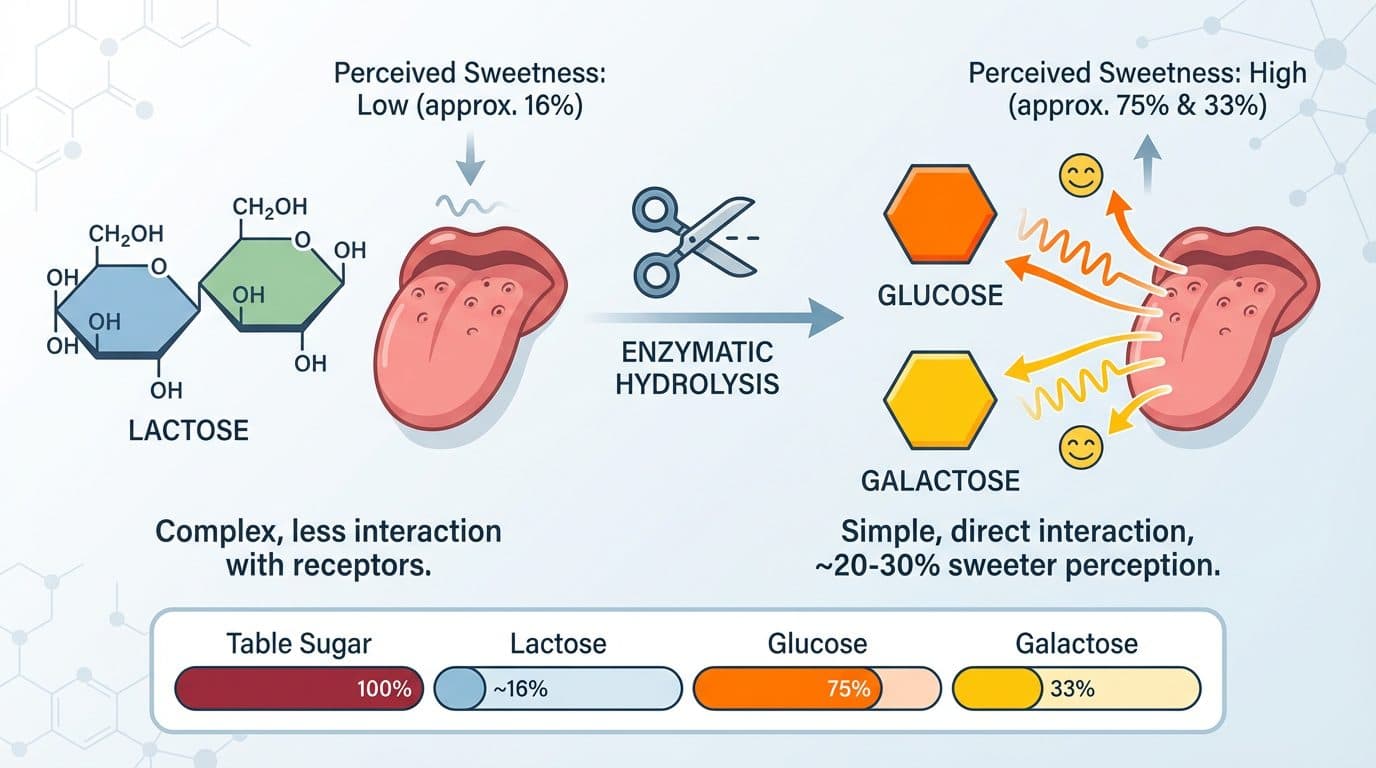
When lactose splits into glucose and galactose, something interesting happens. These simple sugars (monosaccharides) interact with your taste receptors much more effectively. In my experience, the perceived sweetness increase is noticeable—roughly 20-30% sweeter to most palates, even though the total sugar content remains identical.
- Lactose sweetness level: About 16% as sweet as table sugar
- Glucose sweetness level: About 75% as sweet as table sugar
- Galactose sweetness level: About 33% as sweet as table sugar
In short: you’re not adding sweetness—you’re unlocking sweetness that was always there but hidden in a less accessible form.
How Lactose-Free Milk Changes Your Coffee Experience
Now that you understand the science, let’s talk about what this means for your actual cup of coffee. I’ve found that lactose-free milk in coffee creates some genuinely different flavor dynamics compared to regular dairy.
Flavor Profile Shifts
The enhanced sweetness can either complement or compete with your coffee’s natural flavors. Light roasts with fruity, acidic notes often pair beautifully with lactose-free milk—the sweetness balances the brightness. Darker roasts with chocolate or caramel undertones can sometimes become almost dessert-like.
Here’s a real-world scenario: imagine your usual medium roast that tastes slightly bitter with regular milk. Switch to lactose-free, and that same coffee might suddenly reveal hidden caramel notes. The sweetness rounds out the bitter edges without you adding a single grain of sugar.
Texture and Frothing Considerations
If you’re making lattes or cappuccinos at home, you’ll notice lactose-free milk froths slightly differently. The protein structure remains the same, so you can still achieve decent microfoam. However, the broken-down sugars can affect how quickly the foam breaks down.
- Foam may be slightly less stable than regular milk
- Steaming temperature sweet spot remains the same (140-155°F)
- Latte art is absolutely still possible with practice
Barista Tip: Keep your lactose-free milk extra cold before steaming. I’ve found this helps create more stable, silky microfoam that holds up better in your cup.
Benefits of Using Lactose-Free Milk in Coffee
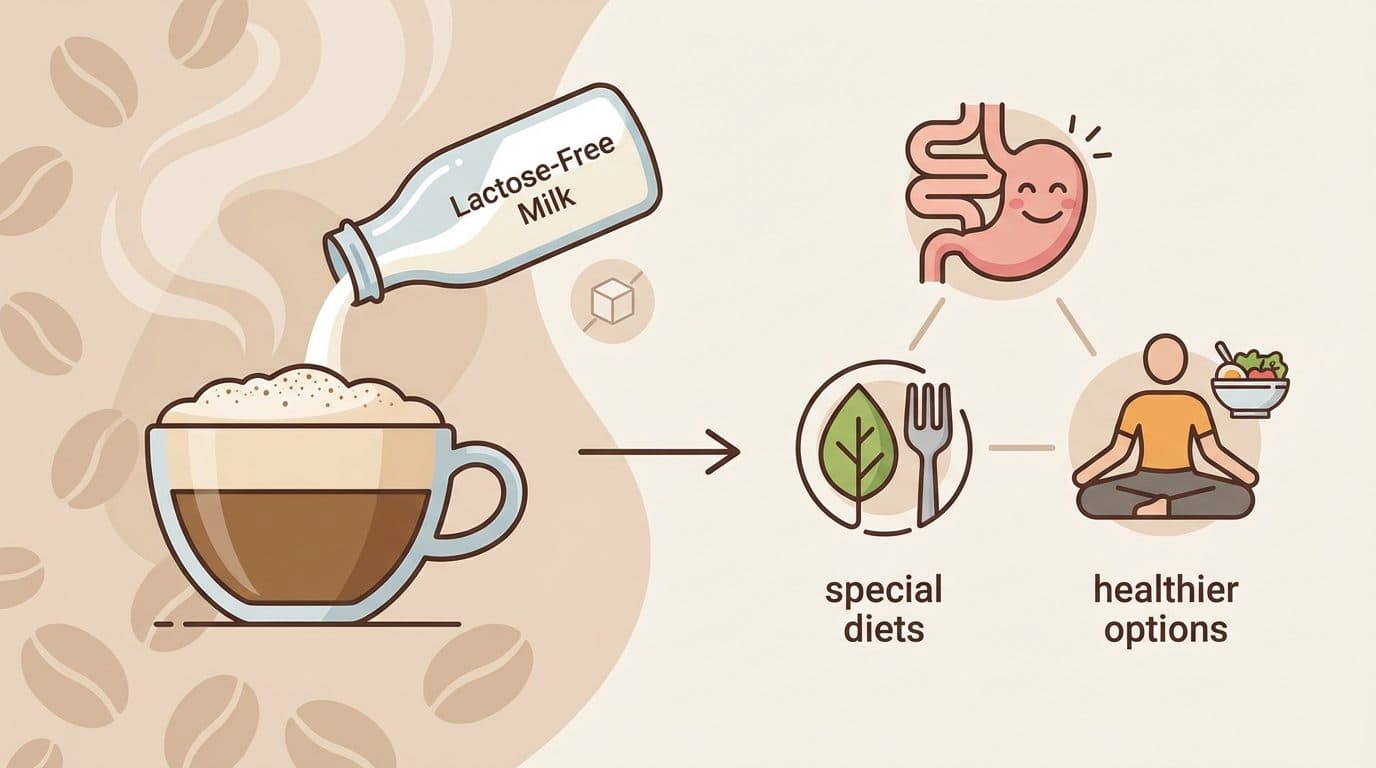
Beyond the sweetness factor, there are several compelling reasons why lactose-free milk might become your new coffee companion—especially if you’re exploring healthier or special-diet options.
Digestive Comfort
The most obvious benefit is for the estimated 68% of the global population with some degree of lactose intolerance. If your morning coffee has ever sent you running for the bathroom or left you feeling bloated, lactose-free milk could be life-changing. You get to keep dairy in your diet without the uncomfortable consequences.
Natural Sweetness Without Added Sugar
Here’s something I genuinely appreciate: if you typically add sugar to your coffee, lactose-free milk might let you reduce or eliminate that habit. Many of my readers have told me they’ve cut their added sugar completely after switching. You’re essentially getting free sweetness that doesn’t increase your calorie or sugar intake.
Nutritional Parity
Unlike some alternative milks that lack protein or require fortification, lactose-free milk delivers the same nutritional profile as regular dairy:
- Same protein content (about 8g per cup)
- Same calcium levels
- Same vitamins A and D (if fortified)
- Identical fat content options (skim, 2%, whole)
In short: you’re not sacrificing nutrition for digestibility.
Potential Drawbacks to Consider
I believe in giving you the full picture, so let’s address some considerations before you fully commit to lactose-free milk in your coffee routine.
The Sweetness Isn’t For Everyone
If you prefer your coffee on the bitter, bold side, the added perceived sweetness might feel intrusive. Some people describe it as making their coffee taste “artificial” or “too sweet,” even though nothing artificial has been added. This is purely a preference issue.
Price Difference
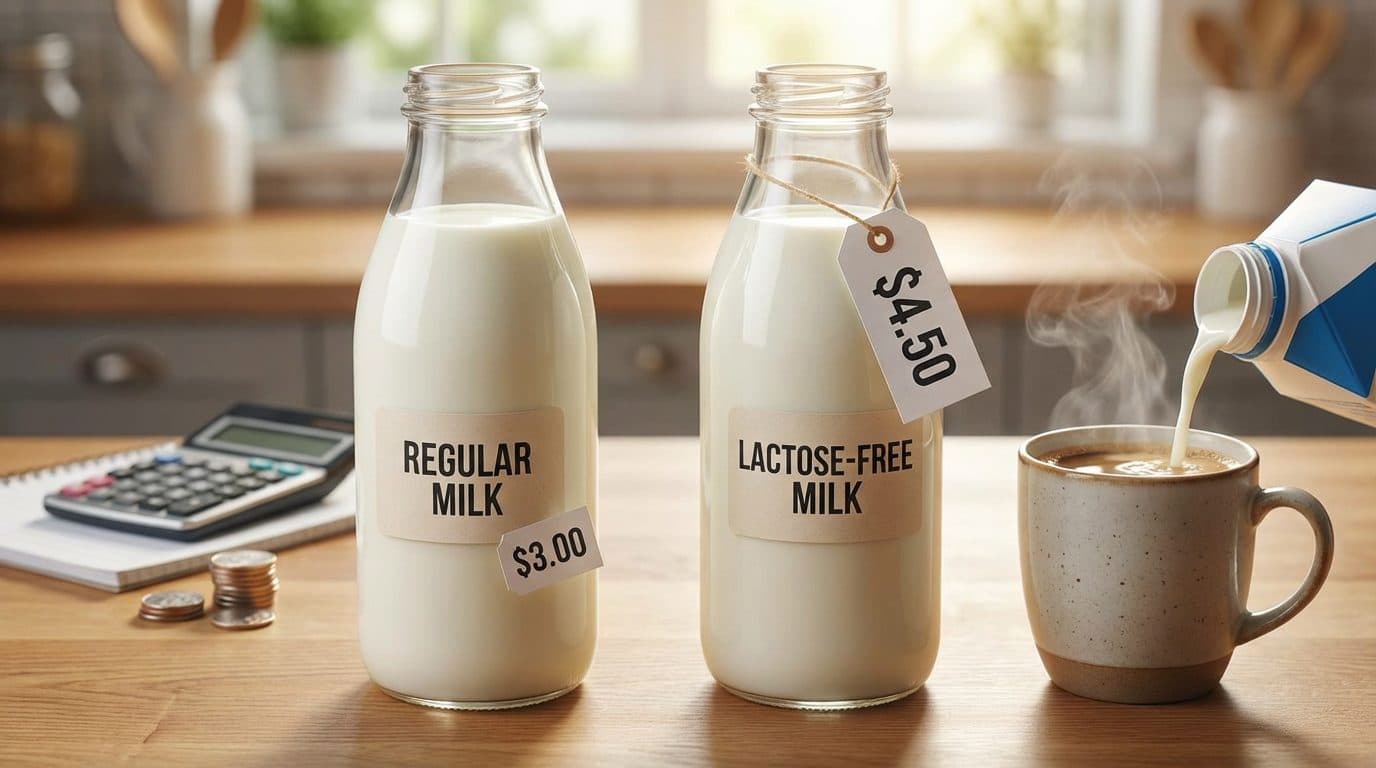
Lactose-free milk typically costs 30-50% more than regular milk. For daily coffee drinkers, this adds up over time. Whether the digestive comfort and natural sweetness justify the expense depends on your personal situation and priorities.
Not Suitable for Dairy Allergies
This is crucial: lactose intolerance and dairy allergy are completely different conditions. Lactose-free milk still contains all milk proteins (casein and whey). If you have a true dairy allergy, this product is not safe for you—you’ll need to explore plant-based alternatives instead.
| Factor | Regular Milk | Lactose-Free Milk |
|---|---|---|
| Perceived Sweetness | Mild | Noticeably sweeter |
| Sugar Content | ~12g per cup | ~12g per cup |
| Digestibility | May cause issues | Easy to digest |
| Price | Standard | 30-50% higher |
| Frothing Ability | Excellent | Good (slightly less stable) |
Best Coffee Pairings for Lactose-Free Milk
Want to maximize your lactose-free coffee experience? Here are some pairing suggestions based on what I’ve found works exceptionally well.
Light to Medium Roasts
Ethiopian or Kenyan single origins with their bright, fruity acidity become remarkably balanced with lactose-free milk. The natural sweetness tames the tartness without masking those beautiful berry or citrus notes.
Cold Brew Coffee
This is where lactose-free milk truly shines. Cold brew already has lower acidity and natural chocolate-caramel sweetness. Add lactose-free milk, and you’ve got something that tastes almost like a dessert—without any added sugar or syrups.
Espresso-Based Drinks
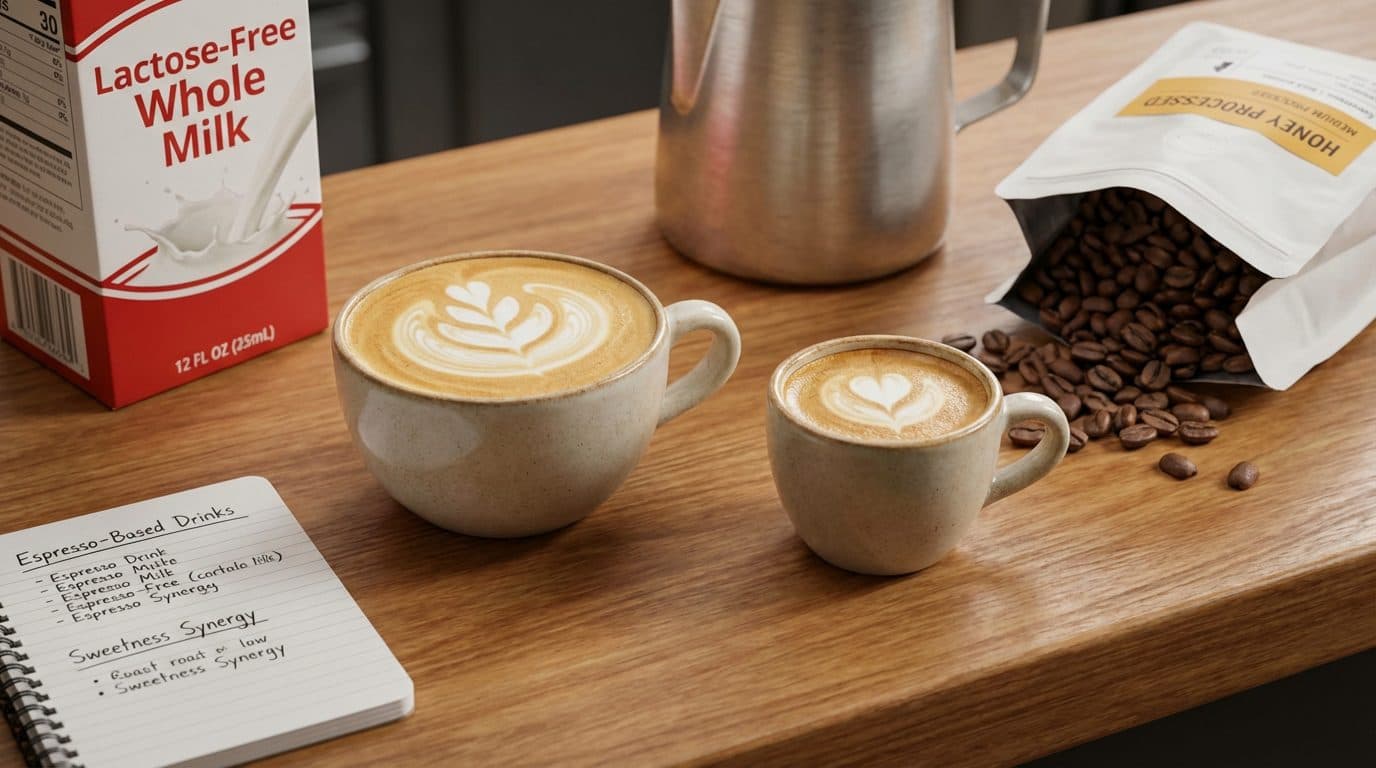
Flat whites and cortados benefit particularly well. The higher coffee-to-milk ratio means you still get strong espresso character, but the lactose-free milk adds a pleasant, rounded sweetness that enhances the crema’s natural sweetness.
- Best pairing: Medium roast espresso + lactose-free whole milk flat white
- Avoid: Very dark, smoky roasts where sweetness may clash
- Experiment with: Honey-processed coffees for maximum sweetness synergy
Frequently Asked Questions
Does lactose-free milk have more sugar than regular milk?
No, it contains exactly the same amount of sugar. The difference is that the lactose has been pre-broken into glucose and galactose, which taste sweeter to your taste buds even though the total sugar content is identical.
Can I froth lactose-free milk for lattes and cappuccinos?
Absolutely. Lactose-free milk froths well because it contains the same proteins as regular milk. You might notice slightly less foam stability, but with good technique and cold milk, you can achieve excellent microfoam for latte art.
Will lactose-free milk curdle in my coffee?
Lactose-free milk is no more likely to curdle than regular milk. Curdling happens when milk proteins react to high acidity or extreme heat. If your coffee is very acidic, any dairy milk could potentially curdle—this isn’t specific to lactose-free varieties.
Is lactose-free milk healthier than regular milk?
From a nutritional standpoint, they’re virtually identical. The only health advantage is digestive: if you’re lactose intolerant, lactose-free milk lets you enjoy dairy without gastrointestinal distress. For those who digest lactose normally, there’s no additional health benefit.
Why does my coffee taste sweeter with lactose-free milk even though I didn’t add sugar?
The lactase enzyme breaks lactose into simpler sugars that your taste receptors perceive as much sweeter. Glucose and galactose are significantly sweeter than lactose, so you experience enhanced sweetness from the same sugar content.
Conclusion: Is Lactose-Free Milk Right for Your Coffee?
Understanding why lactose-free milk tastes sweeter in coffee comes down to simple chemistry: pre-digested sugars hit your taste buds harder. Whether this enhanced sweetness improves or changes your coffee experience depends entirely on your personal preferences and what you’re looking for in your cup.
If you’re lactose intolerant, trying to reduce added sugars, or simply curious about new flavor profiles, lactose-free milk is absolutely worth exploring. Start with a medium roast and see how the natural sweetness interacts with your usual brewing method. You might discover that life really is too short for both bad coffee and unnecessary digestive discomfort.
Give it a week and pay attention to how your palate adjusts. Many home baristas find they never go back to regular dairy once they’ve experienced the smoother, sweeter alternative.



Comments