


Table of Contents
- Why Coffee Gets Cold So Fast (And Why Reheating Ruins It)
- The Burnt Coffee Problem
- Choose the Right Mug to Keep Coffee Hot Longer
- Insulated Mugs and Tumblers
- Preheating Your Mug
- Brewing Adjustments for Longer-Lasting Heat
- Start with Hotter Water
- Brew Smaller Batches More Often
- Consider Concentrate Methods
- Tools and Gadgets That Actually Work
- Thermal Carafes
- Mug Warmers: Proceed with Caution
- Smart Mugs
- Practical Habits for Hotter Coffee
- Keep a Lid On It
- Drink More Intentionally
- Avoid the Microwave Trap
- Frequently Asked Questions
- What's the ideal temperature for drinking coffee?
- Do insulated mugs affect the taste of coffee?
- How long can coffee sit before it tastes stale?
- Is it better to add cream before or after the coffee cools?
- Can I brew coffee directly into a thermal carafe?
- Conclusion and Your Next Steps
Have you ever brewed the perfect cup of coffee at home, only to find it lukewarm within minutes? Or worse, you leave it on a hot plate and come back to a bitter, burnt-tasting mess. Making home coffee that stays hot longer without getting burnt is a common challenge, but it’s absolutely solvable with the right techniques and tools.
In this guide, you’ll discover practical methods to keep your coffee at the ideal drinking temperature for longer periods. We’ll cover everything from brewing adjustments to smart equipment choices that protect your coffee’s flavor while maintaining warmth.
Why Coffee Gets Cold So Fast (And Why Reheating Ruins It)
Before diving into solutions, it’s helpful to understand why your coffee loses heat so quickly. Coffee is typically brewed at temperatures between 195-205°F (90-96°C), and the ideal drinking temperature sits around 140-160°F (60-71°C). The problem is that heat escapes rapidly through several pathways.
Your mug radiates heat into the surrounding air, especially if it’s thin ceramic or glass. The exposed surface of your coffee releases steam, carrying away thermal energy. Even the counter or table beneath your mug acts as a heat sink, drawing warmth away from the bottom.
The Burnt Coffee Problem
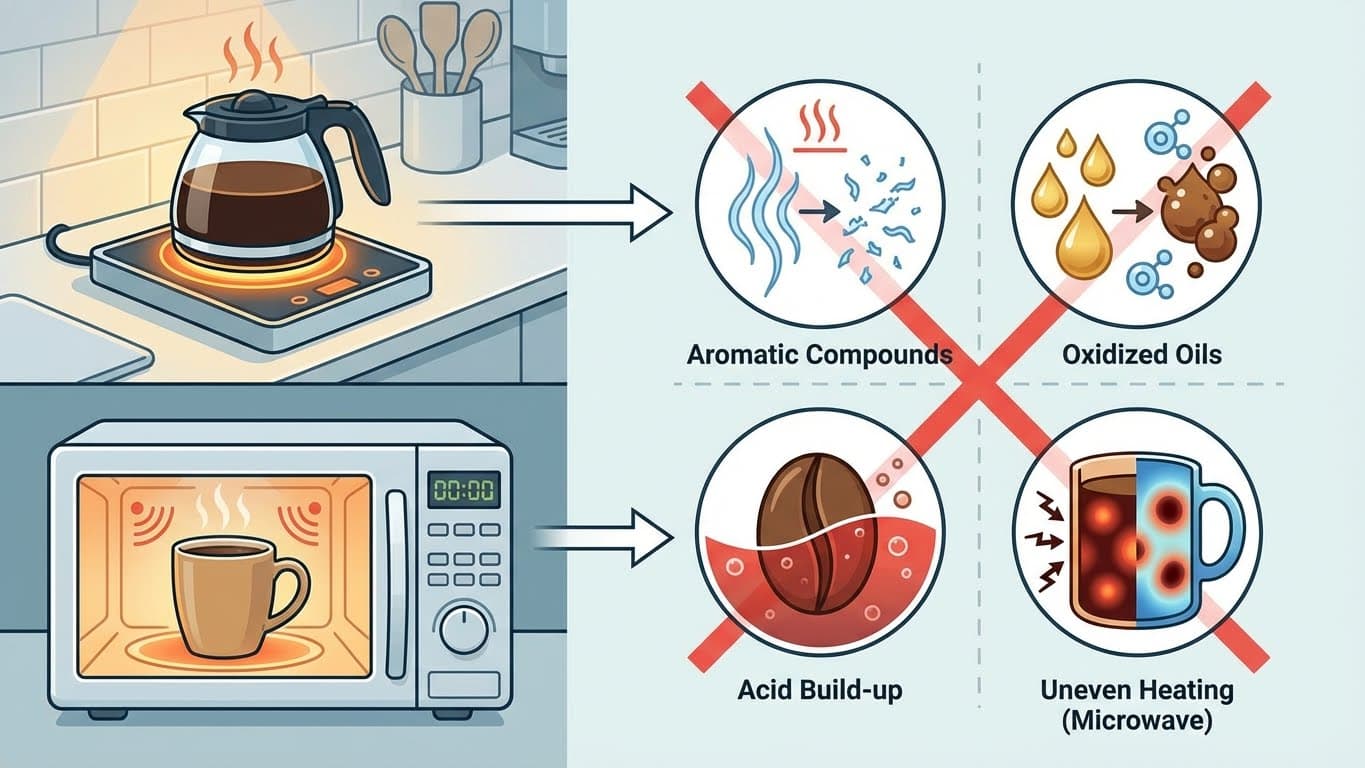
Many people try to solve the heat loss problem by leaving their coffee pot on a warming plate or reheating their cup in the microwave. Unfortunately, this approach creates new issues:
- Continued heating breaks down aromatic compounds that give coffee its pleasant taste
- Oils in the coffee oxidize faster at high temperatures, creating bitter flavors
- The acids in coffee become more pronounced and unpleasant
- Microwave reheating creates uneven hot spots that accelerate degradation
In short, keeping coffee hot through external heating sources damages the very qualities you’re trying to preserve. The goal is to retain existing heat rather than continuously adding more.
Choose the Right Mug to Keep Coffee Hot Longer
Your choice of drinking vessel has an enormous impact on how long your coffee stays warm. A standard ceramic mug might look nice, but it’s often a poor insulator.
Insulated Mugs and Tumblers
Double-walled vacuum-insulated containers are the gold standard for heat retention. Brands like YETI, Hydro Flask, and Contigo offer mugs that can keep coffee hot for 4-6 hours. The vacuum between the inner and outer walls eliminates conductive and convective heat transfer.
Look for these features when shopping:
- Stainless steel interior (won’t absorb flavors or stains)
- Tight-fitting lid with a sipping opening
- Capacity that matches your typical serving size
- Wide enough opening for easy cleaning
For example, if you brew a 12-ounce cup but buy a 20-ounce insulated mug, all that extra air space will actually cool your coffee faster. Match the container to your portion.
Preheating Your Mug
Here’s a simple trick that makes any mug perform better: preheat it before adding coffee. Fill your mug with hot water from the tap and let it sit for 30-60 seconds. Then dump the water and immediately pour your fresh coffee.
This technique prevents your mug from stealing heat from your coffee. A cold ceramic mug can drop your coffee temperature by 10-15°F almost instantly. Preheating eliminates this problem entirely.
Brewing Adjustments for Longer-Lasting Heat
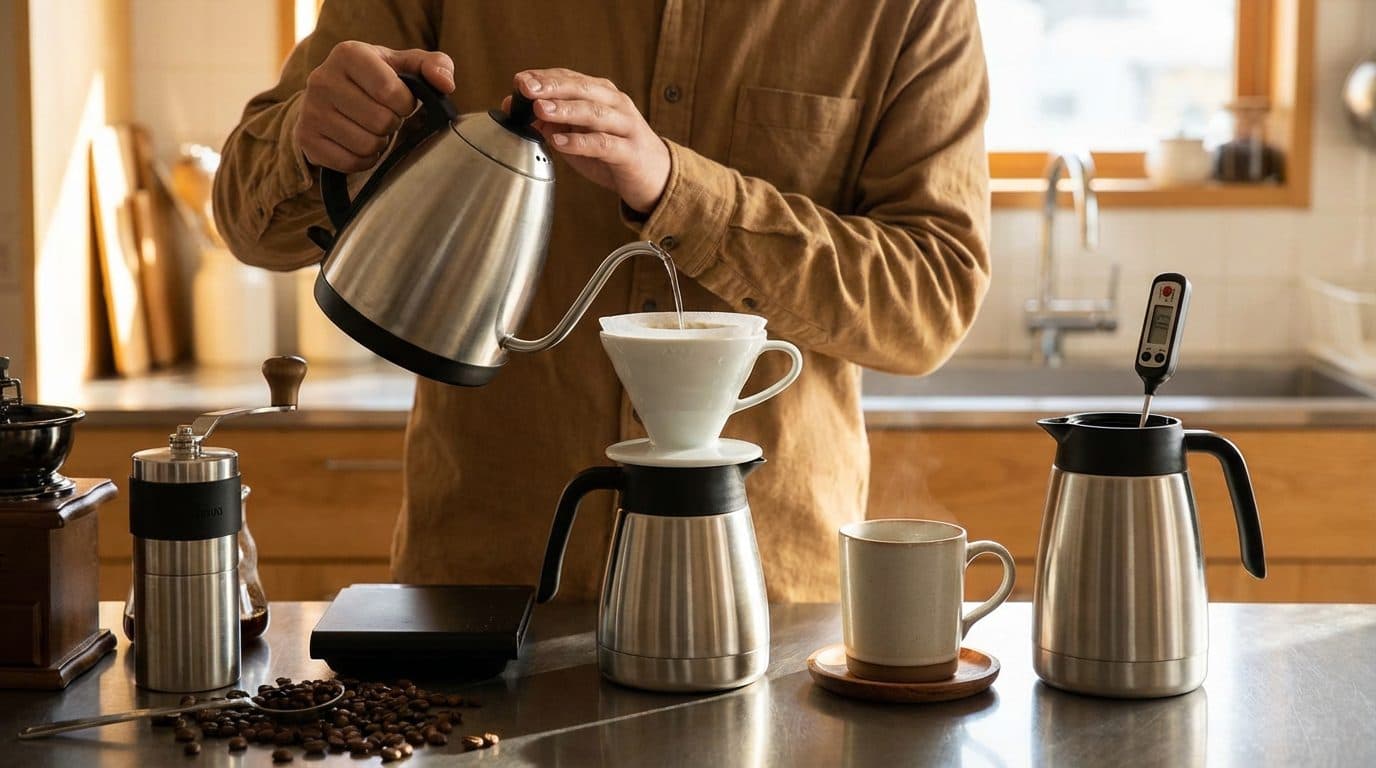
The way you brew your coffee affects its starting temperature and how well it holds that warmth. A few small changes can extend your coffee’s drinkable window significantly.
Start with Hotter Water
If you’re using a pour-over method, French press, or any manual brewing technique, make sure your water is at the upper end of the ideal range (around 205°F). By the time it passes through the grounds and lands in your cup, it will have dropped a few degrees.
Electric kettles with temperature control are extremely helpful here. You can set them to the exact temperature you need rather than guessing.
Brew Smaller Batches More Often
Instead of making a full pot and letting it sit, consider brewing smaller amounts that you’ll drink within 20-30 minutes. Single-serve methods like pour-over, AeroPress, or even a small French press give you fresh, hot coffee exactly when you want it.
- A 12-ounce pour-over takes about 3 minutes to brew
- AeroPress can produce a cup in under 2 minutes
- Single-cup drip brewers offer convenience with fresh results
This approach means you’re never trying to keep coffee hot because you’re always drinking it fresh.
Consider Concentrate Methods
Cold brew concentrate offers an interesting workaround. You can store the concentrate in your refrigerator, then add hot water when you’re ready to drink. Since you’re diluting the concentrate with freshly boiled water, your coffee starts at maximum temperature.
To sum up: brewing smaller, hotter, and fresher beats trying to maintain heat over long periods.
Tools and Gadgets That Actually Work
The market is full of products claiming to keep your coffee hot. Some are genuinely useful, while others are gimmicks. Here’s what actually delivers results.
Thermal Carafes
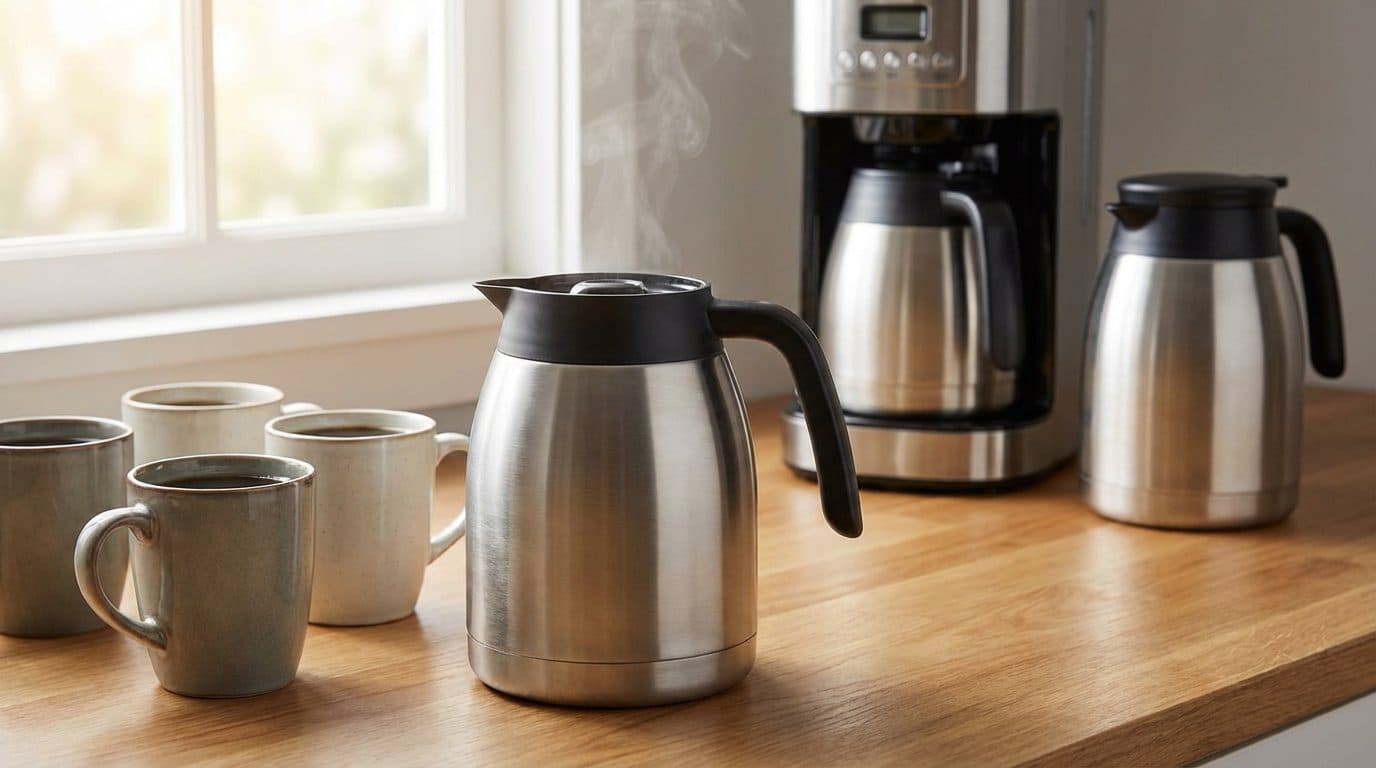
If you need to brew a full pot for multiple people or want coffee available throughout the morning, a thermal carafe is your best friend. Unlike glass carafes sitting on warming plates, thermal carafes use vacuum insulation to maintain temperature without any external heat source.
Many drip coffee makers now come with thermal carafes instead of warming plates. If yours doesn’t, you can purchase a standalone thermal carafe and transfer your coffee immediately after brewing.
A good thermal carafe will keep coffee at drinkable temperatures for 2-4 hours. That’s a massive improvement over the 20-30 minutes you get with an open pot.
Mug Warmers: Proceed with Caution
Electric mug warmers are those small heating plates that sit on your desk. They can be helpful, but they walk a fine line. Set too high, they’ll slowly cook your coffee and create that burnt taste. Set too low, they barely make a difference.
If you use a mug warmer, choose one with adjustable temperature settings and keep it on the lowest effective setting. Better yet, combine a mug warmer set to low with a well-insulated mug. The warmer compensates for minimal heat loss rather than constantly reheating cold coffee.
Smart Mugs
Products like the Ember Mug use battery-powered heating elements to maintain a specific temperature. You set your preferred drinking temperature via a smartphone app, and the mug adjusts automatically.
These are pricey (often $100 or more), but they genuinely work. The key difference from mug warmers is precision. Smart mugs maintain a steady temperature rather than applying constant high heat, which minimizes flavor degradation.
Practical Habits for Hotter Coffee
Beyond equipment, your daily habits influence how long your coffee stays enjoyable. Small behavioral changes add up to noticeable improvements.
Keep a Lid On It
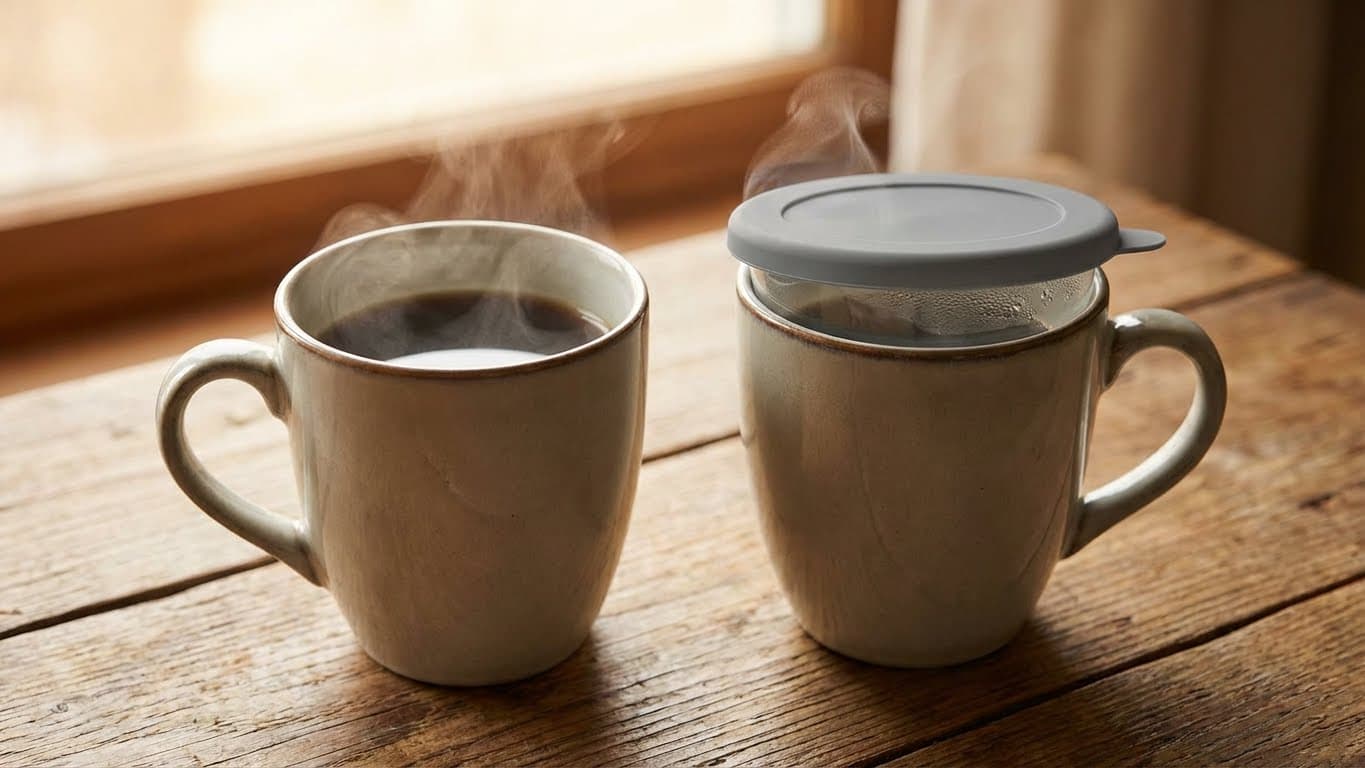
An open mug loses heat rapidly through evaporation. Simply adding a lid—even a basic silicone cover—can slow heat loss by 30-50%. The lid traps steam, reduces air circulation over the surface, and creates a small insulating air pocket.
Many standard mugs fit universal silicone lids available for just a few dollars. It’s one of the cheapest and most effective upgrades you can make.
Drink More Intentionally
This might sound obvious, but one reason coffee gets cold is that we forget about it. If you’re prone to getting absorbed in work and discovering a cold cup an hour later, set a gentle reminder. A simple phone alarm at 15-minute intervals can prompt you to take a sip and enjoy your coffee while it’s still warm.
Avoid the Microwave Trap
When your coffee does get cold, resist the urge to microwave it. Microwaving creates uneven heating and accelerates the chemical changes that produce bitter, stale flavors. You’re better off making a small fresh cup if you have the time.
If you absolutely must reheat, use short 10-15 second bursts and stir between each. Stop as soon as the coffee is warm, not hot. This minimizes damage, though it won’t taste as good as fresh.
Frequently Asked Questions
What’s the ideal temperature for drinking coffee?
Most people find coffee most enjoyable between 140-160°F (60-71°C). Below 140°F, it starts tasting cold to many drinkers. Above 160°F, it can be uncomfortably hot and harder to taste the subtle flavors. Your personal preference may vary slightly.
Do insulated mugs affect the taste of coffee?
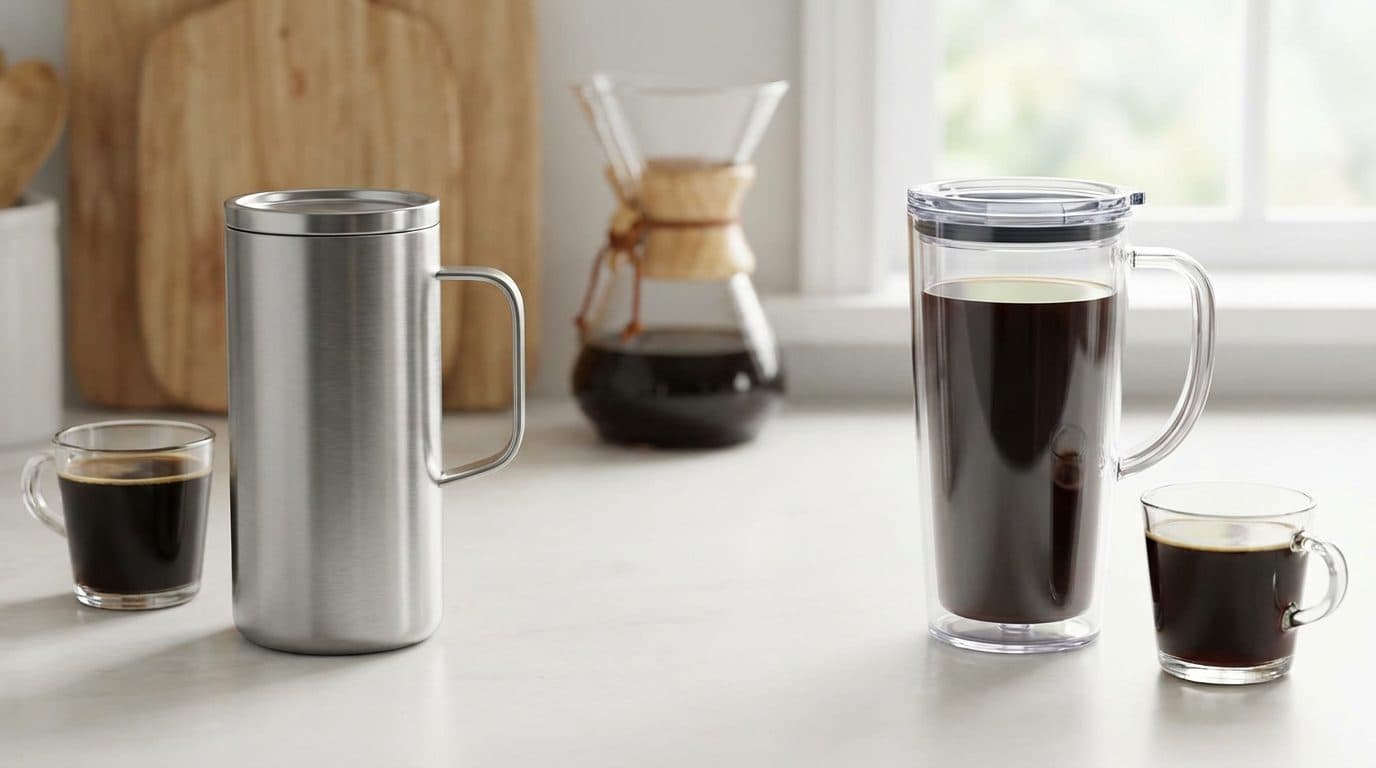
Quality stainless steel insulated mugs don’t affect taste when properly cleaned. Lower-quality options or mugs with plastic interiors may impart slight off-flavors. Stick with reputable brands and avoid mugs with rubber or plastic components that contact your coffee directly.
How long can coffee sit before it tastes stale?
Coffee begins losing its optimal flavor within 30 minutes of brewing, regardless of temperature. By the 2-hour mark, noticeable staleness develops. For best taste, try to drink your coffee within an hour of brewing. Keeping it hot doesn’t prevent flavor degradation—it just keeps it warm while the taste fades.
Is it better to add cream before or after the coffee cools?
Adding cold cream immediately after brewing actually helps your coffee stay warm longer. The cream raises the coffee’s thermal mass, and the mixture cools more slowly than black coffee. Plus, the slightly lower starting temperature means less heat escapes initially. It’s counterintuitive but effective.
Can I brew coffee directly into a thermal carafe?
Yes, and it’s one of the best approaches. Many drip coffee makers are designed to brew directly into thermal carafes. If you use pour-over or other manual methods, you can brew into a preheated thermal carafe and then pour into your mug as needed. This keeps the main supply hot while you drink smaller portions.
Conclusion and Your Next Steps
Keeping your home coffee hot without burning it comes down to three principles: start hot, insulate well, and avoid reheating. By preheating your mug, using insulated containers, brewing smaller batches, and keeping a lid on your cup, you can enjoy warm coffee for much longer without sacrificing flavor.
The simplest place to start is with your mug. Invest in a quality insulated tumbler or travel mug, even if you only drink coffee at home. Add a lid, preheat it with hot water, and you’ll immediately notice a difference. From there, you can explore thermal carafes, smart mugs, or brewing method changes based on your specific routine and preferences.



Comments