


Table of Contents
- What You Need to Make Cold Brew With Pre-Ground Coffee
- Ingredients
- Gear
- Choosing the Right Pre-Ground Coffee for Cold Brew
- Grind Size Matters
- Roast Level Recommendations
- Step-by-Step: How to Make Cold Brew Coffee at Home
- The Basic Cold Brew Method
- Room Temperature vs. Refrigerator Brewing
- Cold Brew Coffee Ratios and Strength Guide
- Troubleshooting Common Cold Brew Problems
- Your Cold Brew Tastes Bitter or Harsh
- Your Cold Brew Tastes Weak or Watery
- Your Cold Brew Has Sediment or Sludge
- Key Takeaway
- Expected Taste Profile and Serving Suggestions
- Easy Ways to Serve It
- Frequently Asked Questions
- Can I really use regular pre-ground coffee for cold brew?
- How long does homemade cold brew last in the refrigerator?
- Is cold brew stronger than regular coffee?
- Why does my cold brew taste different than cafe cold brew?
- Can I heat up cold brew coffee?
- Bottom Line
Yes, you can make good cold brew at home with pre-ground coffee. Coarse-ground coffee is easier, but standard medium-grind supermarket coffee can work if you shorten the steep, filter carefully, and avoid squeezing the grounds. Start with 1 cup of pre-ground coffee to 4 cups of water, steep in the refrigerator for 14 to 18 hours, then dilute the concentrate to taste.
The main limitation is fines. Pre-ground coffee made for drip machines has smaller particles than classic cold brew grind, so it extracts faster and leaves more sediment. That does not ruin the batch; it just means you need a little more control over time and filtering.
This method is best for people who want cold brew without buying a grinder yet. It will not taste exactly like a cafe batch made with freshly ground beans, but it can be smooth, affordable, and reliable enough for weekday iced coffee.
What You Need to Make Cold Brew With Pre-Ground Coffee
Ingredients
- Pre-ground coffee: 1 cup, about 85 grams. Coarse is best, medium works with shorter steeping.
- Cold or room-temperature filtered water: 4 cups, about 950 ml.
Gear
- A large jar or pitcher with at least 1-liter capacity
- Fine-mesh strainer or sieve
- Cheesecloth, paper coffee filter, or a clean cotton cloth
- A second container for the finished concentrate
- Measuring cup or kitchen scale
- Spoon for stirring
A Mason jar and paper filter are enough. Cold brew is forgiving because time does most of the extraction work. The one place to be fussy is filtration, especially when the coffee is already ground fine enough for drip.
Choosing the Right Pre-Ground Coffee for Cold Brew

Cold brew hides some flaws, but it does not rescue stale coffee completely. Look for a bag with a recent roast date if possible, or at least buy from a store with steady turnover. Once a bag is open, oxygen slowly flattens the aroma and sweetness. The National Coffee Association recommends protecting coffee from air, moisture, heat, and light; that advice matters even more after the coffee is ground.
Grind Size Matters
Classic cold brew uses a coarse grind because the coffee sits in water for many hours. Coarser particles extract slowly and filter more cleanly. Most pre-ground coffee is medium grind, built for drip machines, so it extracts faster and can become harsh if left too long.
If your bag says “cold brew grind,” use the longer end of the steeping range. If it is normal drip grind, start with refrigerator steeping for 14 to 18 hours. If the batch tastes bitter, reduce the next batch by 2 hours. If it tastes thin, add time or use more coffee.
Roast Level Recommendations
- Medium roast: The safest starting point. It usually gives chocolate, nut, and caramel notes without too much bitterness.
- Dark roast: Good for milk drinks and bold iced coffee, though it can taste smoky if over-steeped.
- Light roast: Possible, but often tastes muted or tart in cold brew unless the coffee is fresh and the recipe is dialed in.
Practical tip: If the pre-ground coffee has been open for more than a few weeks, use a slightly stronger ratio. Older grounds lose aroma first, so a little extra coffee can help, though it cannot bring back lost freshness.
Step-by-Step: How to Make Cold Brew Coffee at Home
Cold brew uses time instead of hot water to pull flavor from the grounds. Lower temperature extraction tends to emphasize sweetness and body while reducing sharp bitterness, but it still needs balance. Too much time with medium-ground coffee can taste woody or drying.
The Basic Cold Brew Method

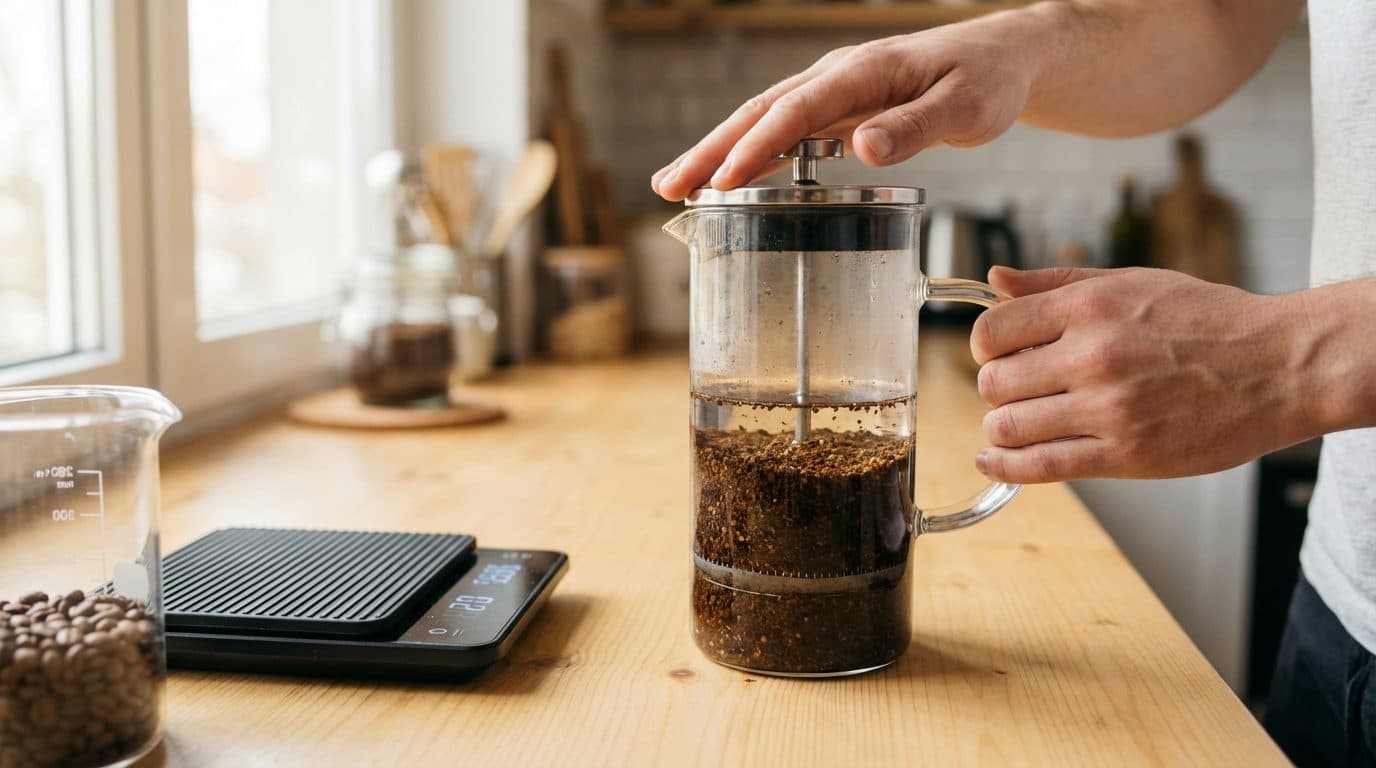
- Add coffee to the jar: Use 1 cup of pre-ground coffee, or weigh about 85 grams for better repeatability.
- Add water: Pour in 4 cups of cold or room-temperature filtered water.
- Stir well: Saturate all grounds. Dry clumps extract poorly and leave the batch uneven.
- Cover and steep: Refrigerate for 14 to 18 hours if using medium grind. Use 18 to 24 hours only for coarse grind.
- Strain slowly: Set a fine-mesh strainer over a clean container and line it with cheesecloth or a paper filter.
- Do not press the grounds: Let gravity work. Pressing can push bitter fines into the concentrate.
- Store cold: Keep the concentrate sealed in the refrigerator.
To serve, start with equal parts concentrate and water or milk over ice. If it tastes too intense, add more water. If it tastes flat, use less dilution next time or increase the coffee dose in the next batch.
Room Temperature vs. Refrigerator Brewing
Room-temperature steeping works faster, usually around 12 to 16 hours, but it is less forgiving with medium-ground coffee. Refrigerator brewing is slower and cleaner. For pre-ground coffee, I prefer the refrigerator because the slower extraction gives you a wider margin before bitterness takes over.
Food safety is also simpler when the mixture spends the long steep in the refrigerator. Use clean jars and keep the finished concentrate chilled.
Cold Brew Coffee Ratios and Strength Guide

Ratio matters more than fancy equipment. Too little coffee makes weak concentrate that tastes like old iced drip. Too much coffee can taste heavy and wasteful, especially if you dilute it aggressively anyway.
| Desired Strength | Coffee | Water | Dilution Ratio |
|---|---|---|---|
| Mild concentrate | 3/4 cup | 4 cups | 1:1 (concentrate:water) |
| Standard concentrate | 1 cup | 4 cups | 1:1 to 1:2 |
| Strong concentrate | 1.5 cups | 4 cups | 1:2 to 1:3 |
Start with the standard concentrate. It gives you room to dilute without making a syrupy brew. If you use medium-grind pre-ground coffee, the mild or standard ratio is usually better than the strong version because the smaller particles extract efficiently.
Simple scaling: For a smaller test batch, use 1/2 cup coffee and 2 cups water. That reduces waste while you learn how your specific bag behaves.
Troubleshooting Common Cold Brew Problems
Most cold brew problems come from one of three variables: grind, time, or filtration. Change one at a time so you know what fixed the batch.
Your Cold Brew Tastes Bitter or Harsh
The likely cause is over-extraction. Reduce steeping time by 2 to 4 hours, avoid room-temperature steeping, and do not squeeze the filter. If the coffee is very dark roast, try a medium roast next time.
Your Cold Brew Tastes Weak or Watery
Under-extraction or over-dilution is usually the issue. Steep a little longer, use more coffee, or dilute less when serving. Also check the age of the coffee. A stale bag can make thin cold brew no matter how carefully you brew it.
Your Cold Brew Has Sediment or Sludge

Pre-ground coffee often contains fines. Filter twice: first through a mesh strainer lined with cloth, then through a paper coffee filter. The second pass takes longer but removes the grit that makes cold brew feel muddy.
Key Takeaway
If the flavor is close but not clean, improve filtration. If the flavor is harsh, shorten time. If the flavor is weak, adjust the ratio before blaming the method.
Expected Taste Profile and Serving Suggestions
Cold brew made with pre-ground coffee usually tastes smooth, round, and lower in perceived acidity than hot coffee. Medium and dark roasts often bring chocolate, toasted nut, brown sugar, and mild caramel notes. Light roasts can taste more delicate, but some fruit character may fade during long cold extraction.
Compared with hot-brewed coffee over ice, cold brew tends to feel heavier and less sharp. That is useful for milk drinks, but it also means you may miss the bright top notes you get from a fresh pour-over.
Easy Ways to Serve It
- Classic iced cold brew: Mix concentrate with equal parts cold water and pour over ice.
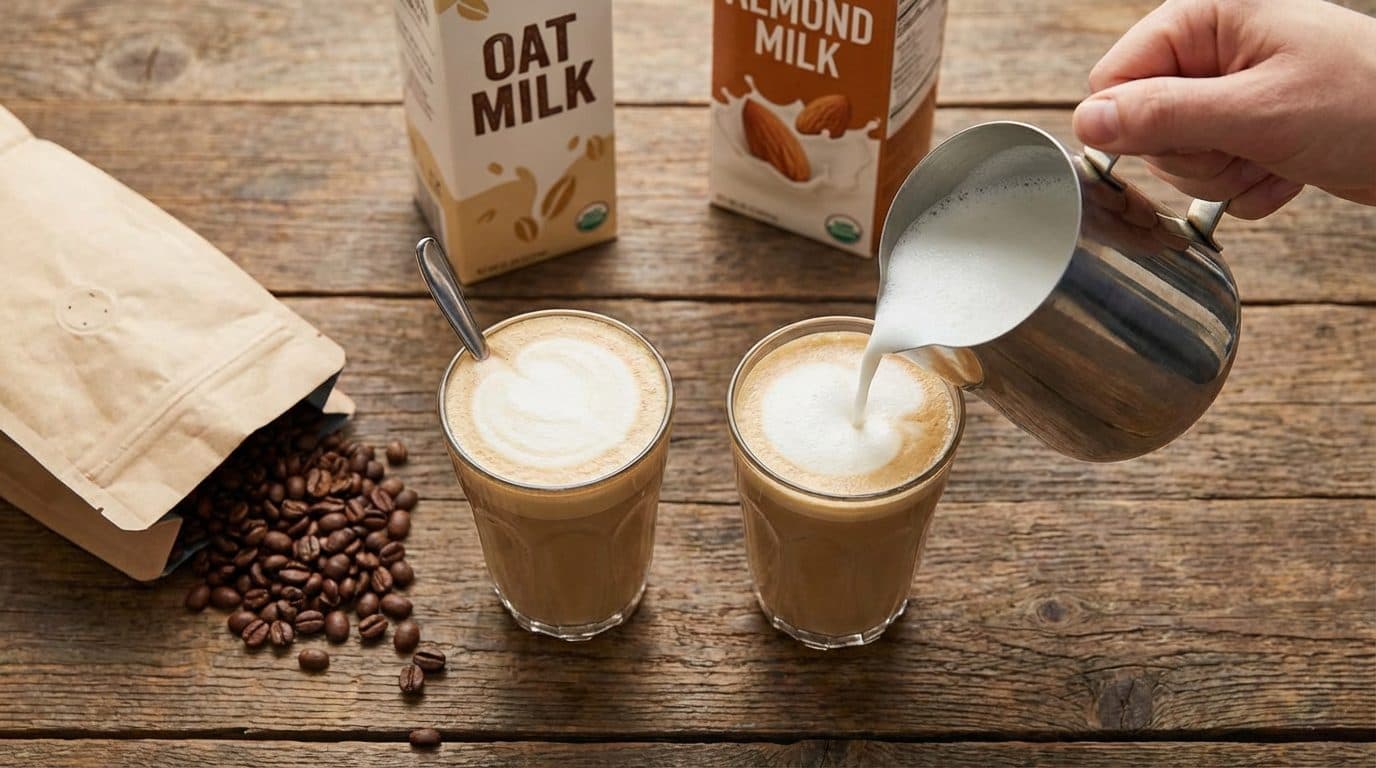
- Cold brew latte: Use concentrate with milk or oat milk for a softer drink.
- Vanilla cold brew: Add a small amount of vanilla syrup and cream.
- Breakfast smoothie: Blend concentrate with banana, milk, and cocoa powder.
- Hot cold brew: Dilute with hot water for a smoother hot cup.
Use less ice if the drink already tastes light. Melting ice is part of the recipe whether you plan for it or not.
Frequently Asked Questions
Can I really use regular pre-ground coffee for cold brew?

Yes. Regular drip-grind coffee can make good cold brew if you shorten the steep and filter well. Coarse grind is easier, but it is not required.
How long does homemade cold brew last in the refrigerator?
A sealed concentrate is usually best within 7 days, though many people keep it up to 10 to 14 days. Flavor declines over time. If it smells odd, tastes fermented, or shows visible spoilage, discard it.
Is cold brew stronger than regular coffee?
The concentrate is stronger per ounce, but the served drink depends on dilution. A glass mixed 1:1 with water or milk may land close to a normal iced coffee. If caffeine sensitivity is a concern, start with a smaller serving.
Why does my cold brew taste different than cafe cold brew?
Cafes often use fresh beans, a coarse commercial grind, filtered water, and repeatable recipes. With pre-ground coffee, you are adapting a product designed for hot drip brewing. You can still get a good drink, but the texture and aroma may differ.
Can I heat up cold brew coffee?
Yes. Dilute the concentrate with hot water, or warm it gently. Avoid boiling it, since aggressive heat can make the flavor dull and bitter.
Bottom Line
Cold brew with pre-ground coffee is a practical shortcut, not a compromise you need to apologize for. Use enough coffee, keep the steep controlled, filter patiently, and adjust dilution after tasting. Those steps matter more than buying a dedicated cold brew gadget.
For your first batch, use 1 cup coffee, 4 cups water, and 14 to 18 hours in the refrigerator. Strain twice if needed. By the next morning, you should have a smooth concentrate ready for ice, water, milk, or a quick cold brew latte.
If you already have brewed coffee in the fridge or carafe, this guide on turning leftover hot coffee into iced coffee is the fastest way to use it well.

Comments