


Table of Contents
- Why Fast Home Coffee Is Worth Figuring Out
- The Fastest Coffee Methods for Busy Mornings
- Instant Coffee: The Two-Minute Champion
- Drip Coffee Maker with a Timer
- Single-Serve Pod Machines
- The AeroPress: Fast and Flavorful
- Time-Saving Prep Tips You Can Do the Night Before
- Pre-Measure Your Coffee
- Fill Your Kettle
- Set Out Your Mug and Extras
- Cold Brew: The Make-Ahead Option
- How Cold Brew Works
- Simple Cold Brew Recipe
- Common Mistakes That Slow You Down
- Grinding Beans Every Single Morning
- Using a Slow Kettle
- Overcomplicating Your Drink
- Not Cleaning Your Equipment
- Frequently Asked Questions
- What's the absolute fastest way to make coffee at home?
- Can I make good coffee quickly without expensive equipment?
- How do I make my morning coffee routine faster overall?
- Is it okay to reheat coffee from the day before?
- What's the best coffee for busy people who still care about taste?
- Bottom Line: Build a Default Morning Coffee System
The fastest good coffee at home is either pre-made cold brew from the fridge, a pod machine, or decent instant coffee. If you have three to five minutes, an AeroPress, small drip machine, or simple pour-over can also work. The trick is choosing the method before the morning starts, not negotiating with your sleepy brain while the clock is already winning.
Rushed coffee does not have to taste burnt, stale, or watery. It does need a system: water ready, coffee measured, mug visible, and no complicated recipe that belongs to a weekend. Here are the fastest options, what they cost in quality, and how to keep the routine calm.
Why Fast Home Coffee Is Worth Figuring Out
A cafe stop can be convenient, but it is rarely as quick as it feels. Ordering, waiting, paying, parking, or sitting in a drive-through line can eat ten to fifteen minutes. At home, the same cup can take two minutes if the setup is ready.
The other reason is control. You choose the coffee strength, milk, sweetness, cup size, and cost. If you are trying to reduce daily spending, even a modest home setup usually pays for itself quickly compared with buying coffee every workday.
The goal is not to turn a rushed morning into a tasting ceremony. It is to get a reliable cup with the least friction possible.
The Fastest Coffee Methods for Busy Mornings
Some brewing methods are naturally better under pressure. French press, moka pot, and careful pour-over can be excellent, but they are not always friendly when you have four minutes and one clean hand. Start with methods that fit the time you actually have.
Instant Coffee: The Two-Minute Champion
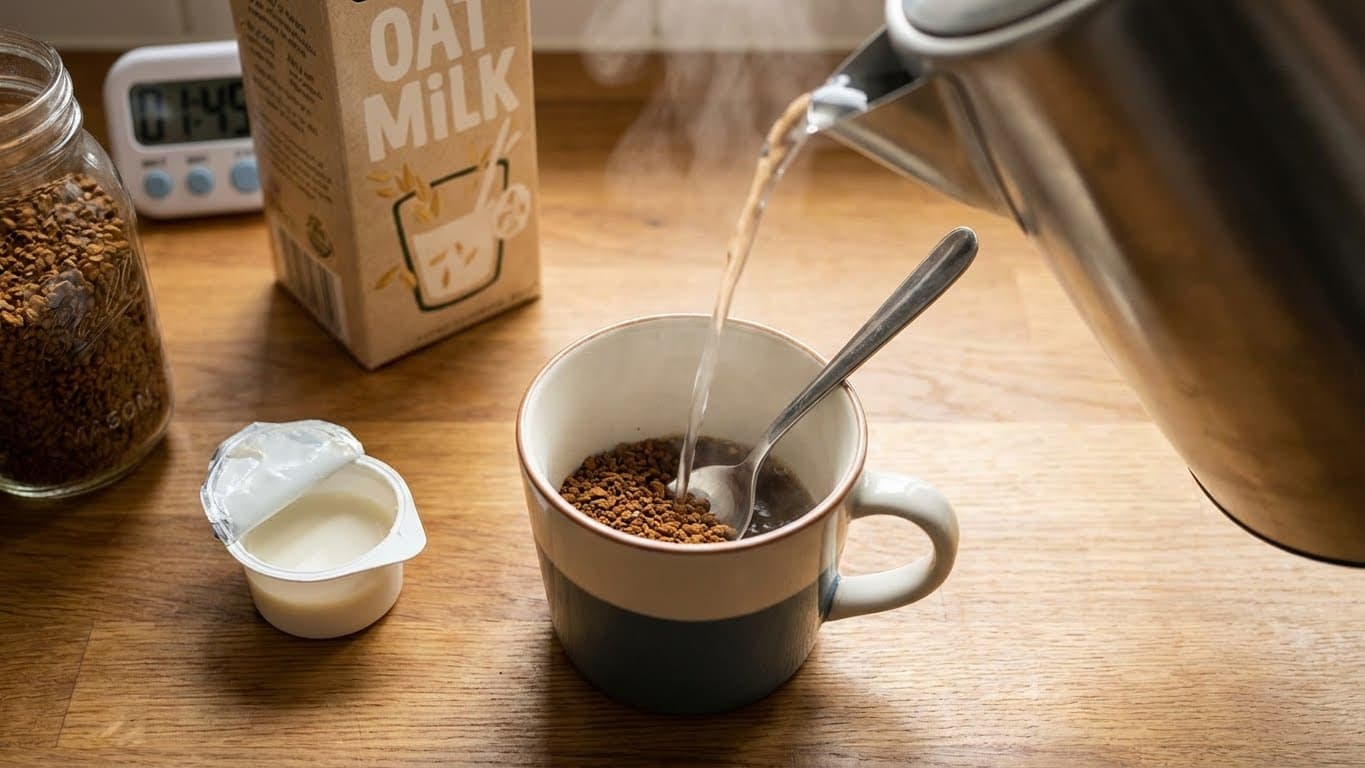
Instant coffee is the speed king. It is not the same as freshly brewed coffee, and the bad versions still taste flat. But good freeze-dried instant has improved enough that it deserves a place in the emergency shelf.
The process is simple:
- Heat water in an electric kettle or use a hot-water dispenser.
- Add one to two teaspoons of instant coffee to a mug.
- Pour water, stir, taste, and adjust strength.
Total time: about two minutes. For a better cup, dissolve the instant granules in a splash of cool water first, then add hot water. It can reduce harshness. Milk, cinnamon, or a small pinch of salt can help if the coffee tastes sharp.
Drip Coffee Maker with a Timer
A programmable drip coffee maker is still one of the best tools for rushed mornings. Load the filter, water, and grounds before bed, then set the timer. In the morning, your job is pouring, not brewing.
The quality depends on the machine and the coffee, of course. A cheap warming plate can make coffee taste scorched if it sits too long. A thermal carafe is better because it keeps coffee hot without cooking it. The SCA Certified Home Brewer program is a useful reference if you ever want a machine designed around proper temperature and brew time.
If you already own a basic drip maker, do not overthink it. Clean it, use fresh coffee, measure consistently, and it can be a perfectly good weekday tool.
Single-Serve Pod Machines
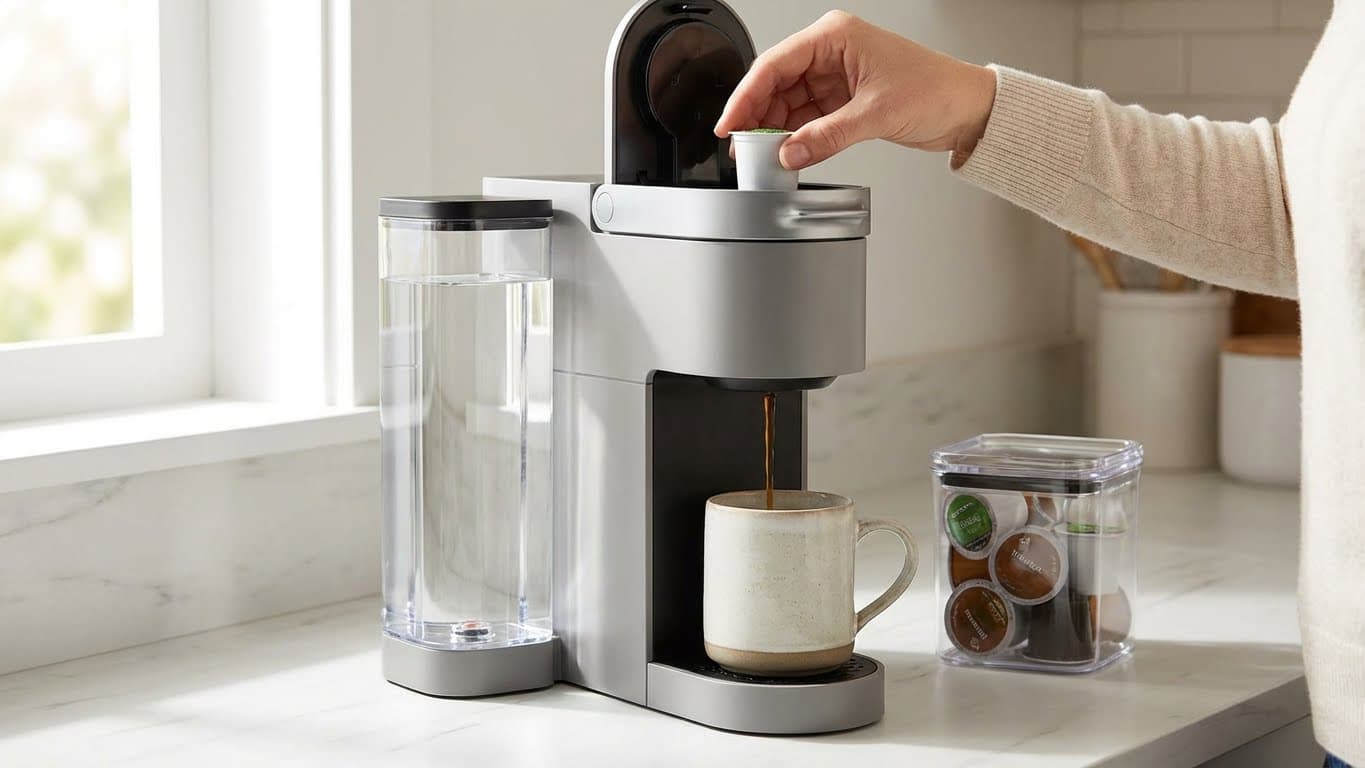
Pod machines win on convenience. Insert pod, press button, leave with coffee. They are useful when one person wants one cup and cleanup needs to be nearly zero.
A few habits improve the result:
- Keep the water reservoir filled at night.
- Store pods next to the machine, not across the kitchen.
- Use the smallest cup size if the coffee tastes weak.
- Run plain water through the machine now and then to reduce stale flavors.
The trade-offs are real: higher cost per cup, packaging waste, and limited control over grind and dose. Some brands offer recyclable or compostable options, but local recycling rules vary. For pure speed, though, pods do the job.
The AeroPress: Fast and Flavorful
The AeroPress can make a strong, clean cup in about three minutes once you know the routine. It is faster than most manual methods because the steep time is short and cleanup is quick.
Use fine to medium-fine coffee, hot water, a short stir, and a steady press. If you need milk coffee, brew it a little stronger and dilute with warm milk. If you need iced coffee, press over a glass with ice and use less hot water.
The fastest version is built on overlap: start the kettle, place the filter, add pre-measured coffee, pour when the water is ready, press, rinse. Fresh grinding tastes better, but pre-grinding one or two mornings of coffee is a reasonable compromise when speed matters.
Time-Saving Prep Tips You Can Do the Night Before
Most slow coffee mornings are not caused by the brewing method. They are caused by searching, measuring, cleaning, and deciding. A two-minute evening reset removes most of that.
Pre-Measure Your Coffee
Put tomorrow’s coffee dose in a small container. If you use a drip maker, put the filter and grounds in place. If you use AeroPress or pour-over, leave the brewer clean and ready on the counter.
Pre-ground coffee loses aroma faster than whole beans, but one night is not a disaster. For rushed weekdays, consistency often matters more than chasing the absolute freshest possible grind.
Fill Your Kettle
An electric kettle filled the night before can boil in about 60 to 90 seconds, depending on the model and amount of water. That is faster than filling it, checking the sink, waiting for cold water, and then heating it.
If your kettle has a temperature setting, use around 195°F to 205°F for most coffee. Without a temperature setting, boil and let the water sit briefly before brewing. The SCA brewing guidance uses this general temperature range for extraction standards.
Set Out Your Mug and Extras
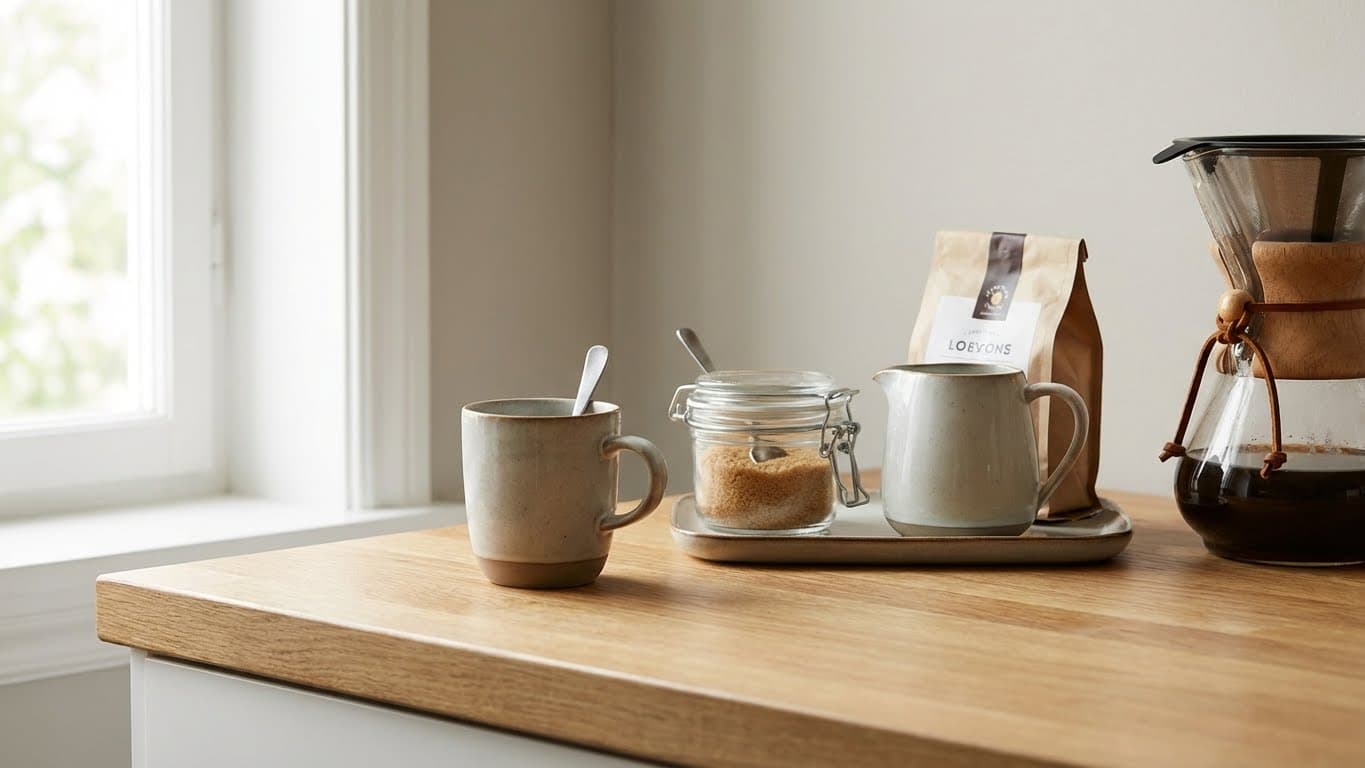
Put the mug, spoon, sweetener, and milk choice where you can reach them. It sounds too small to matter, but a clear coffee station prevents cabinet wandering and fridge archaeology.
If you take coffee to go, leave the travel mug open and clean beside the brewer. Many people lose more time looking for the lid than brewing the drink.
Cold Brew: The Make-Ahead Option
Cold brew is the fastest morning coffee if you already made it. It is not fast to prepare, but it turns the morning into a pour-and-go routine.
How Cold Brew Works
Cold brew is made by steeping coarse coffee grounds in cold or room-temperature water for 12 to 24 hours. After filtering, you get a concentrate or ready-to-drink coffee, depending on the ratio.
It usually tastes smooth and less sharp than hot-brewed coffee. That does not mean it is automatically better or healthier; it simply extracts differently. Keep it refrigerated in a clean container and use it within several days for best flavor.
Simple Cold Brew Recipe
- Combine one cup of coarse coffee grounds with four cups of cold water in a jar or pitcher.
- Stir until all grounds are wet.
- Cover and refrigerate for 12 to 24 hours.
- Strain through a fine mesh strainer, then a coffee filter if you want a cleaner cup.
- Store the concentrate in a sealed container in the refrigerator.
To serve, start with equal parts concentrate and water or milk, then adjust. If it tastes heavy, dilute more. If it tastes weak, use less water next time or increase the coffee dose.
Common Mistakes That Slow You Down
Fast coffee is mostly about removing friction. These are the habits that quietly steal time or make the cup worse.
Grinding Beans Every Single Morning
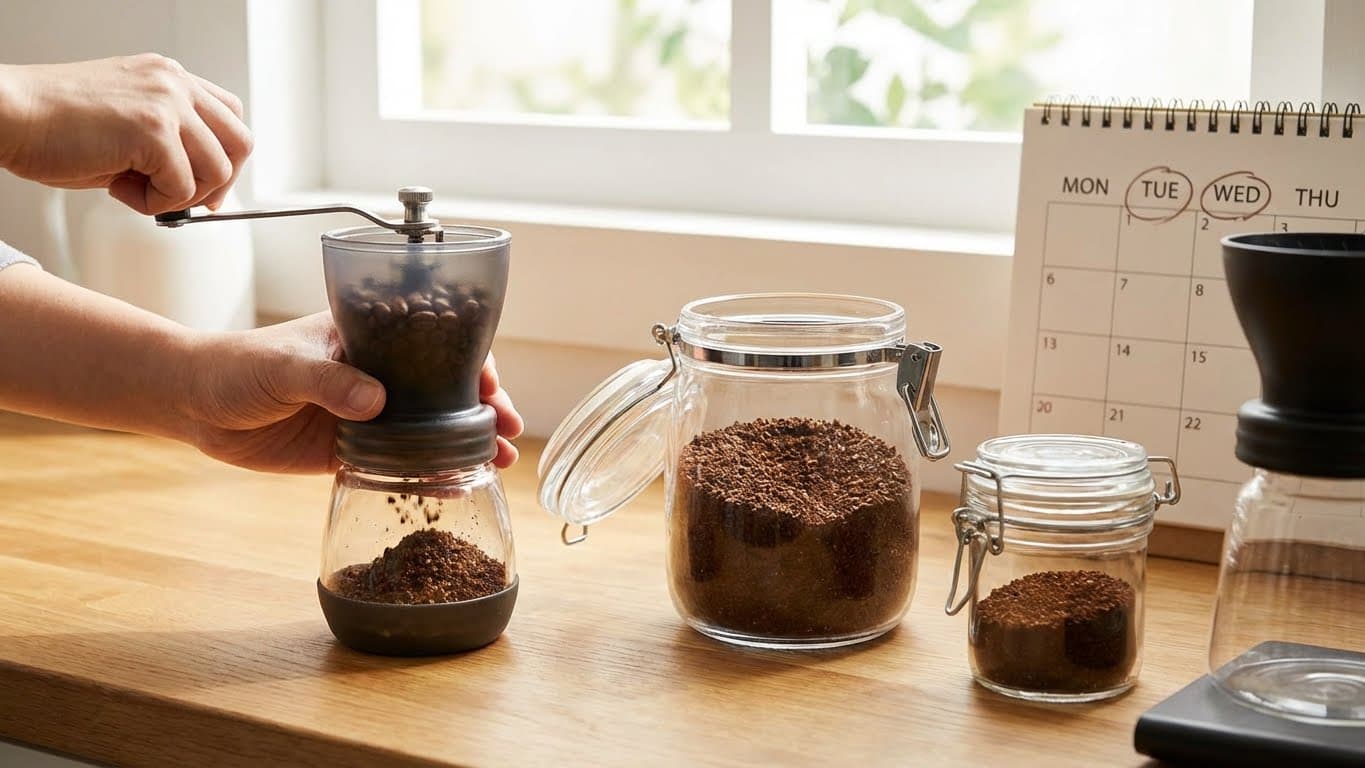
Fresh grinding is better, but it is not sacred. If grinding makes you late, grind enough for two or three mornings and store it airtight. You lose some aroma, but you gain a routine you will actually follow.
Using a Slow Kettle
A stovetop kettle can take several minutes. An electric kettle is one of the simplest speed upgrades for manual coffee. Use only the water you need; heating a full kettle for one mug wastes time.
Overcomplicating Your Drink
Layered lattes, flavored syrups, and careful foam are weekend projects. On a rushed morning, choose a default order: black coffee, coffee with milk, iced cold brew, or instant with creamer. Fewer decisions means fewer delays.
Not Cleaning Your Equipment
Old oils and mineral buildup can make coffee taste stale and slow down machines. Rinse brewers after use, wash removable parts, and descale according to the manufacturer’s instructions. A clean machine works faster and tastes better.
Frequently Asked Questions
What’s the absolute fastest way to make coffee at home?
Ready-made cold brew is fastest because you only pour it. If nothing is pre-made, instant coffee is usually the quickest at about two minutes. A pod machine can be just as fast once hot and filled.
Can I make good coffee quickly without expensive equipment?
Yes. A basic electric kettle plus instant coffee, AeroPress, or a simple cone dripper can work well. Fresh coffee and consistent measurements matter more than owning expensive gear.
How do I make my morning coffee routine faster overall?
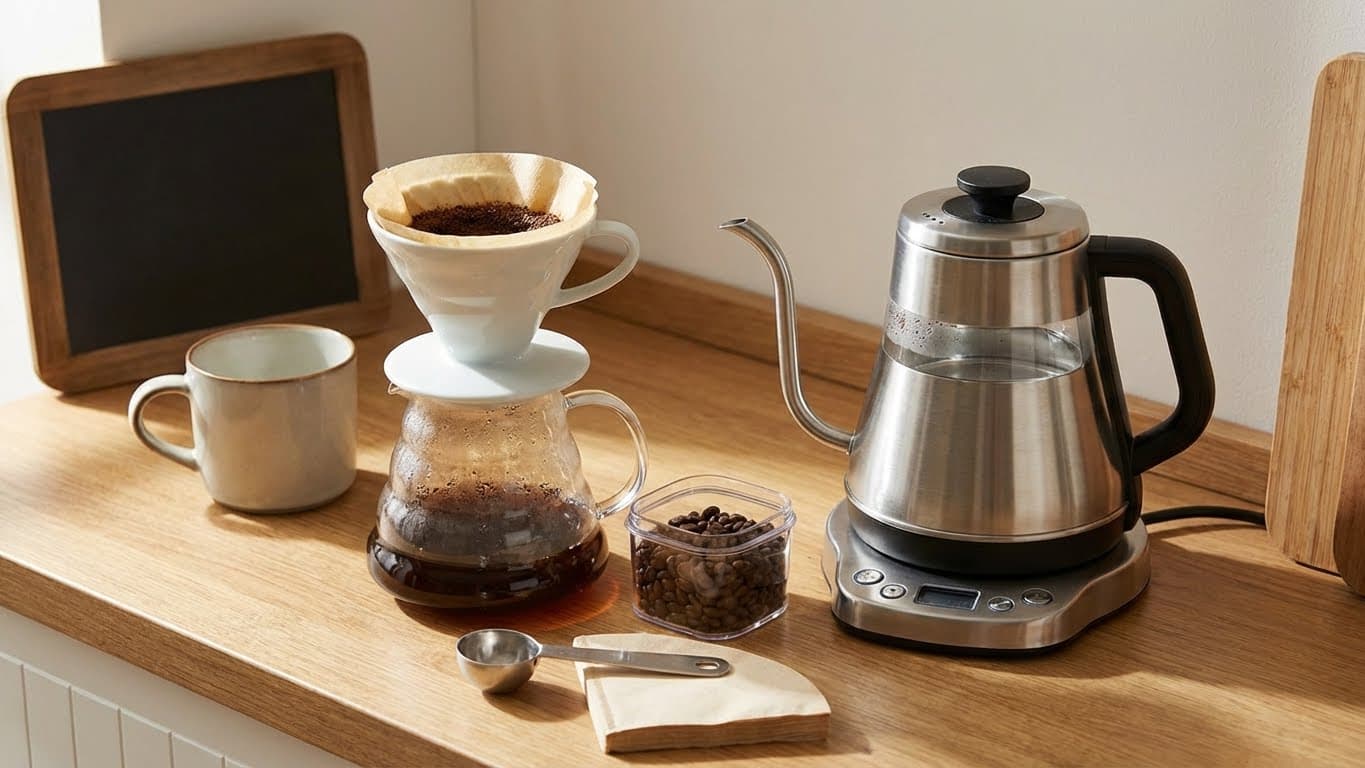
Pick one default method, prepare it at night, and keep every supply in one area. Pre-measure coffee, fill the kettle, clean the travel mug, and leave milk or creamer easy to reach.
Is it okay to reheat coffee from the day before?
It is usually safe if it was stored properly, but the taste is often stale and bitter. If you regularly need make-ahead coffee, cold brew or a fresh timer-brewed drip pot will taste better than reheated leftovers.
What’s the best coffee for busy people who still care about taste?
For hot coffee, use a programmable drip maker with freshly opened beans or a quick AeroPress routine. For cold coffee, keep cold brew concentrate ready. For emergencies, buy one good instant option before you need it.
Bottom Line: Build a Default Morning Coffee System
Fast coffee at home is not about rushing harder. It is about setting up fewer steps. Choose a method for your real schedule, prep the night before, and keep the recipe simple enough that you can repeat it half-awake.
Start with one change: fill the kettle tonight, set out the mug, or make a cold brew batch. Once the first cup becomes automatic, you can improve flavor without adding stress.



Comments