


Table of Contents
- Quick Verdict: Clean Coffee Maker = Better Coffee
- Why Cleaning Your Coffee Maker Actually Matters
- Signs Your Coffee Maker Needs Cleaning
- What You'll Need to Clean Your Coffee Maker
- How to Clean Your Coffee Maker: Step-by-Step Guide
- Step 1: Empty and Rinse the Machine
- Step 2: Wash Removable Parts
- Step 3: Prepare Your Vinegar Solution
- Step 4: Run the Vinegar Cycle
- Step 5: Rinse Thoroughly with Fresh Water
- Step 6: Wipe Down the Exterior
- Cleaning Different Types of Coffee Makers
- Keurig and Single-Serve Pod Machines
- French Press
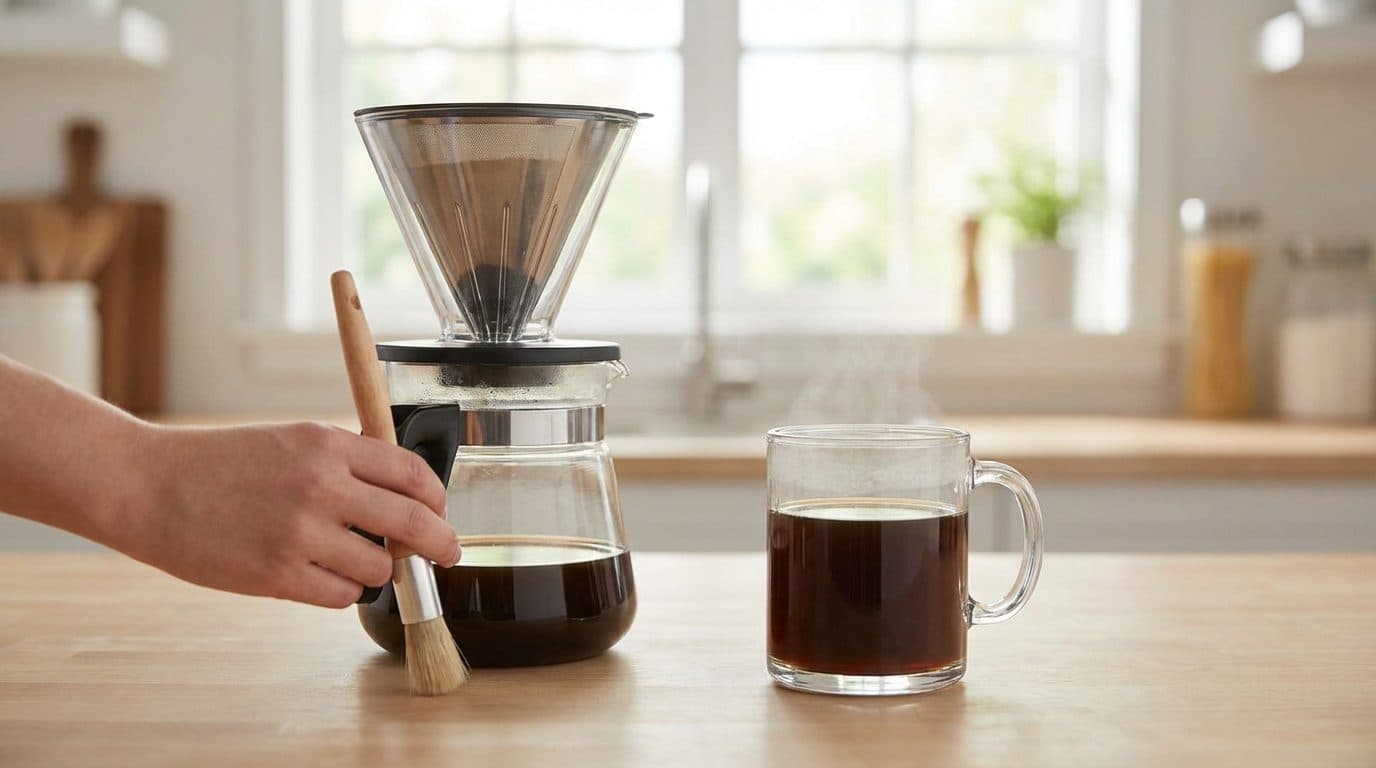
- Pour-Over and Manual Brewers
- How Often Should You Clean Your Coffee Maker?
- Common Coffee Maker Cleaning Myths—Busted
- Myth: Running Water Through Is Enough
- Myth: You Only Need to Clean When Coffee Tastes Bad
- Myth: Vinegar Will Damage Your Machine
- Frequently Asked Questions
- Can I use apple cider vinegar instead of white vinegar?
- How do I know if my coffee maker is fully rinsed after cleaning?
- Is it safe to put coffee maker parts in the dishwasher?
- My coffee maker has a "clean" button. Do I still need to use vinegar?
- Can a dirty coffee maker make me sick?
- Conclusion: Fresh Machine, Fresh Coffee
Quick Verdict: Clean Coffee Maker = Better Coffee
If your morning brew has started tasting bitter, flat, or just plain *off*, your coffee maker is probably crying out for a good cleaning. In my experience, a thorough descaling and cleaning routine can transform your coffee from “meh” to magnificent in just one afternoon. The fix? A simple mix of white vinegar and water, run through your machine once a month.
The bottom line: Clean your coffee maker monthly with vinegar, and deep clean removable parts weekly. Your taste buds will thank you.
Why Cleaning Your Coffee Maker Actually Matters
Here’s a truth that might make you put down your mug: a study by NSF International found that coffee reservoirs are among the top ten germiest places in the average home. Yeast, mold, and bacteria love the warm, moist environment inside your coffee maker. Beyond the “ick” factor, these unwanted guests directly affect how your coffee tastes.
But it’s not just about germs. Every time you brew, mineral deposits from your water (called limescale) build up inside the machine. These deposits clog water lines, reduce brewing temperature, and leave a chalky residue that makes even the best beans taste stale. Old coffee oils also accumulate on the carafe, filter basket, and internal components, turning rancid and adding unpleasant bitter notes to your cup.
Key Takeaway: If you can’t remember the last time you cleaned your coffee maker, it’s definitely overdue. A dirty machine doesn’t just taste bad—it can also shorten your brewer’s lifespan and force it to work harder, extending brew times and wasting energy.
Signs Your Coffee Maker Needs Cleaning
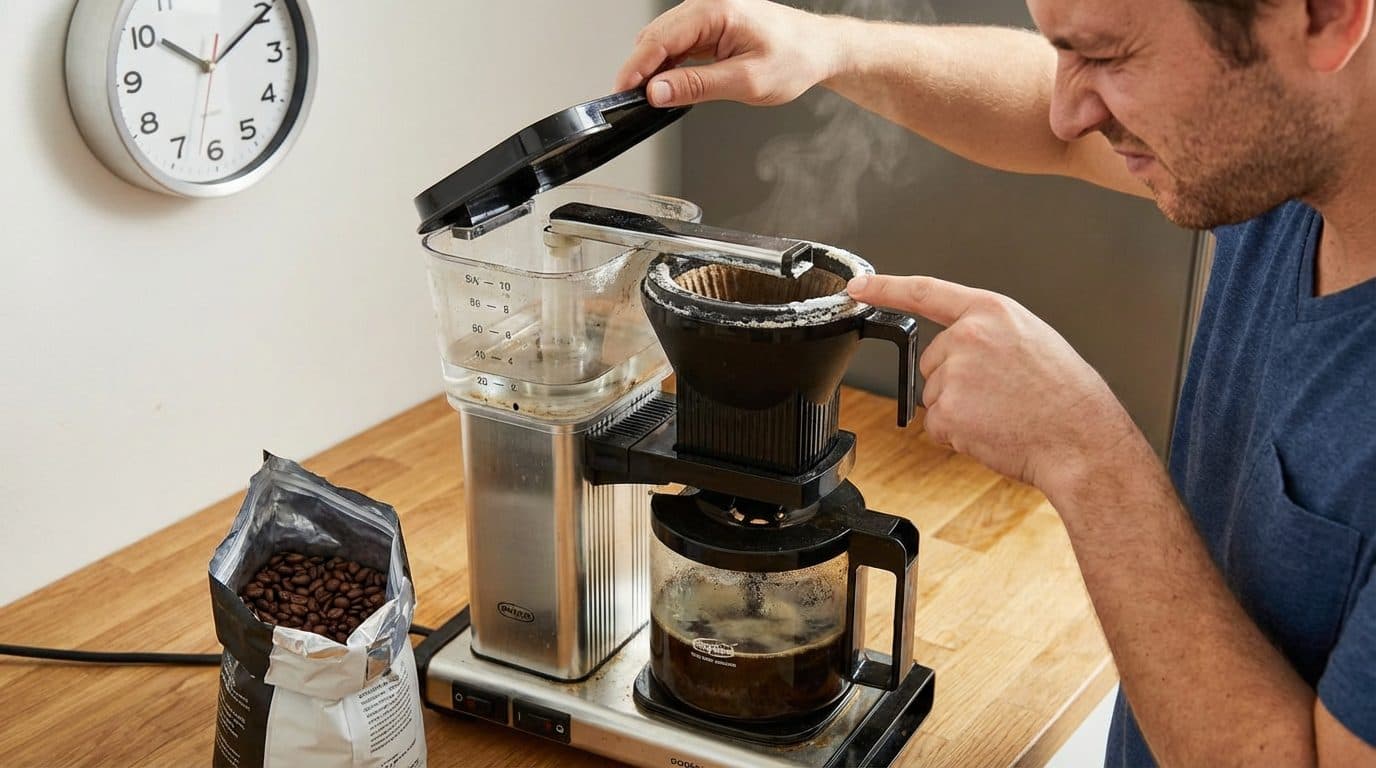
- Coffee tastes bitter, sour, or “off” even with fresh beans
- Brewing takes longer than usual
- You see white, chalky buildup around the water reservoir or spout
- There’s a musty or stale smell when you open the lid
- Your machine makes unusual gurgling or sputtering sounds
If any of these sound familiar, don’t worry. Cleaning your coffee maker is surprisingly simple, and I’ll walk you through every step.
What You’ll Need to Clean Your Coffee Maker
Before we get started, gather these supplies. Chances are you already have most of them in your kitchen.
Cleaning Supplies:
- White distilled vinegar (the MVP of coffee maker cleaning)
- Fresh, filtered water
- Mild dish soap
- Soft sponge or non-abrasive cloth
- Dry, lint-free towel
- Optional: Commercial descaling solution (if you prefer not to use vinegar)
- Optional: Baking soda for stubborn stains
In short, white vinegar is your best friend here. It’s natural, food-safe, inexpensive, and incredibly effective at dissolving mineral buildup and killing bacteria. If you’re sensitive to the smell, commercial descalers work well too—just follow the manufacturer’s instructions.
How to Clean Your Coffee Maker: Step-by-Step Guide
This process works for most standard drip coffee makers. If you have a Keurig, Nespresso, or espresso machine, I’ll cover those specifics in a moment. Let’s start with the classic drip brewer that sits on millions of kitchen counters.
Step 1: Empty and Rinse the Machine
First, make sure the coffee maker is turned off and completely cool. Remove the carafe, filter basket, and any removable parts. Dump out any leftover coffee and used grounds. Give the carafe and filter basket a quick rinse under warm water to remove loose debris.
Step 2: Wash Removable Parts
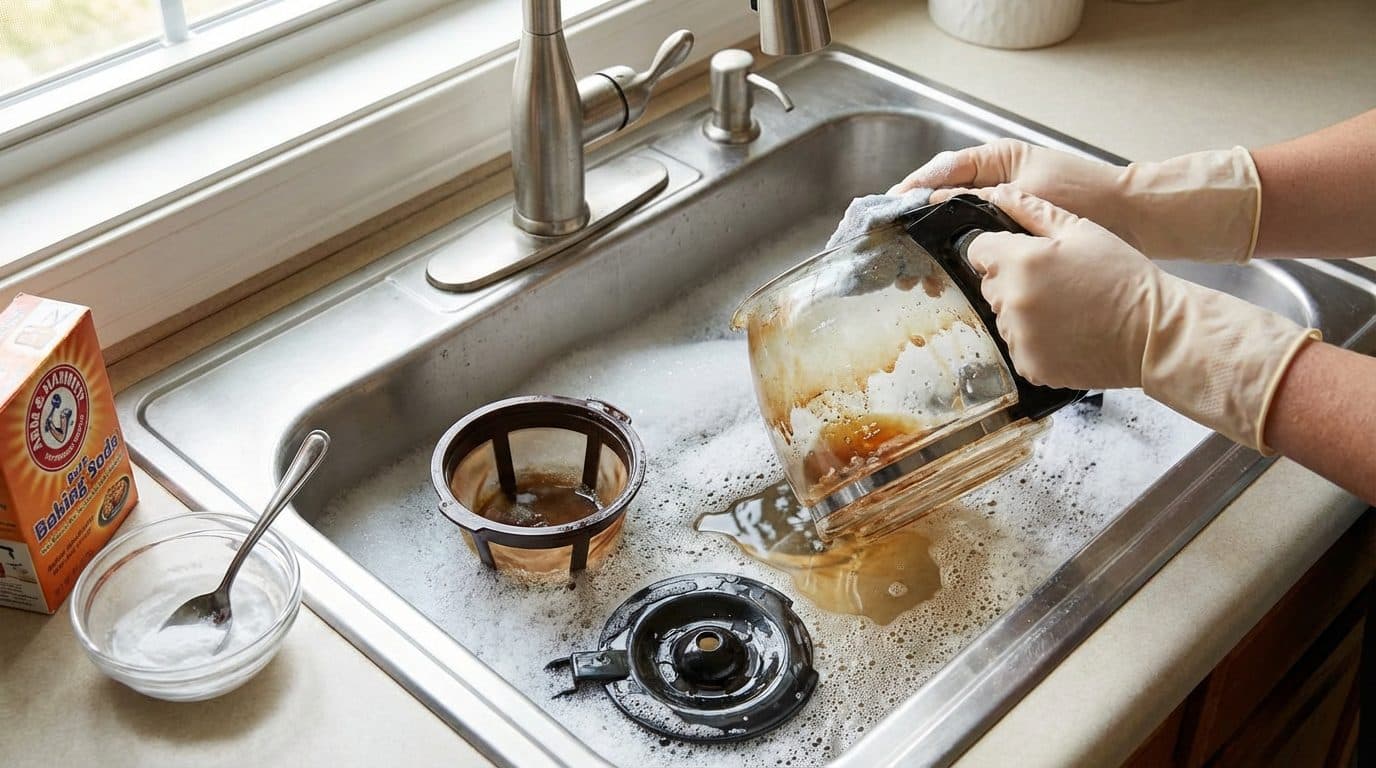
Fill your sink with warm water and a few drops of mild dish soap. Submerge the carafe, filter basket, and lid (if removable). Let them soak for about five minutes, then gently scrub with a soft sponge. Pay special attention to any oily residue or brown staining—that’s old coffee oil that’s been building up.
Barista Tip: For stubborn stains on your glass carafe, make a paste with baking soda and a little water. Apply it to the stained areas, let it sit for fifteen minutes, then scrub gently. Works like a charm every time.
Rinse everything thoroughly and set aside to dry completely before reassembling.
Step 3: Prepare Your Vinegar Solution
This is where the magic happens. Mix equal parts white vinegar and water—enough to fill your coffee maker’s reservoir to the maximum line. For a standard 12-cup machine, that’s usually about 6 cups of vinegar and 6 cups of water.
If your machine is heavily scaled or hasn’t been cleaned in several months, you can increase the vinegar ratio to two parts vinegar to one part water for extra descaling power.
Step 4: Run the Vinegar Cycle
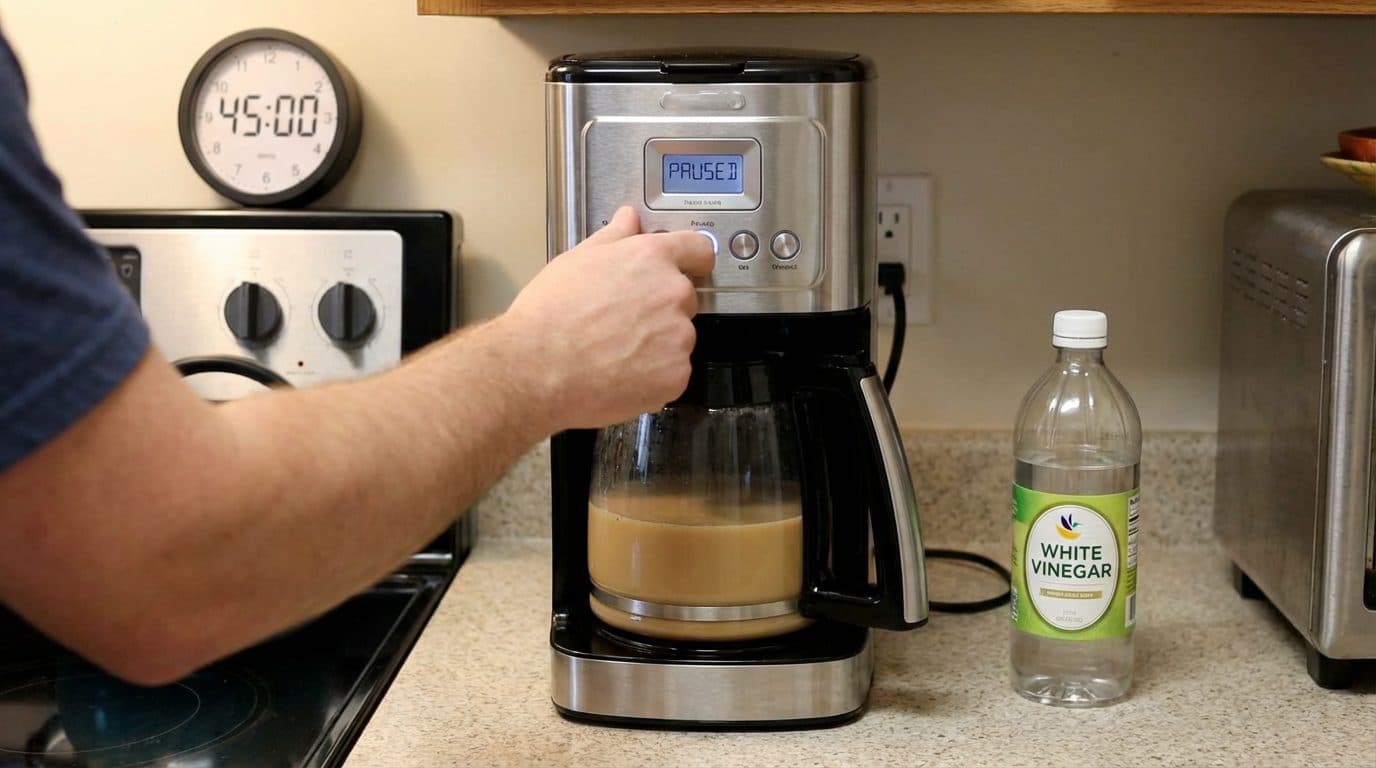
Pour your vinegar solution into the water reservoir. Place the empty carafe on the warming plate and start a brew cycle. Here’s the crucial part: let the machine run until about half the solution has brewed through, then pause the cycle and let it sit for 30 to 60 minutes.
This waiting period allows the acidic vinegar to break down stubborn mineral deposits inside the internal tubes and heating element. I know it requires patience, but trust me—this step makes all the difference.
After the waiting period, resume the brew cycle and let it finish completely.
Step 5: Rinse Thoroughly with Fresh Water
Discard the vinegar solution from the carafe. Fill the reservoir with fresh, clean water and run a complete brew cycle. Repeat this rinsing process at least two more times—three times if you can still detect any vinegar smell.
Skipping this step means your next pot of coffee might taste like a salt-and-vinegar chip. Not the flavor profile we’re going for.
Step 6: Wipe Down the Exterior
While you’re at it, dampen a soft cloth with a little soapy water and wipe down the outside of your machine. Clean the warming plate (when cool) to remove any coffee drips or water spots. Dry everything with a lint-free towel for that fresh-from-the-box look.
Cleaning Different Types of Coffee Makers
Not all coffee makers are created equal. Here’s how to adapt the cleaning process for different brewing systems.
Keurig and Single-Serve Pod Machines
These machines are particularly prone to scale buildup because of their smaller internal components. Here’s the process:
- Remove and wash the water reservoir, drip tray, and pod holder with soapy water
- Fill the reservoir with half vinegar, half water
- Run brew cycles without a pod until the reservoir is empty
- Let the machine sit for 30 minutes with the power on
- Rinse by running at least three full reservoirs of fresh water through the system
- Use a paperclip to gently clear any debris from the needle that punctures the pods
In my experience, Keurig machines need descaling every three to six months, depending on your water hardness.
French Press
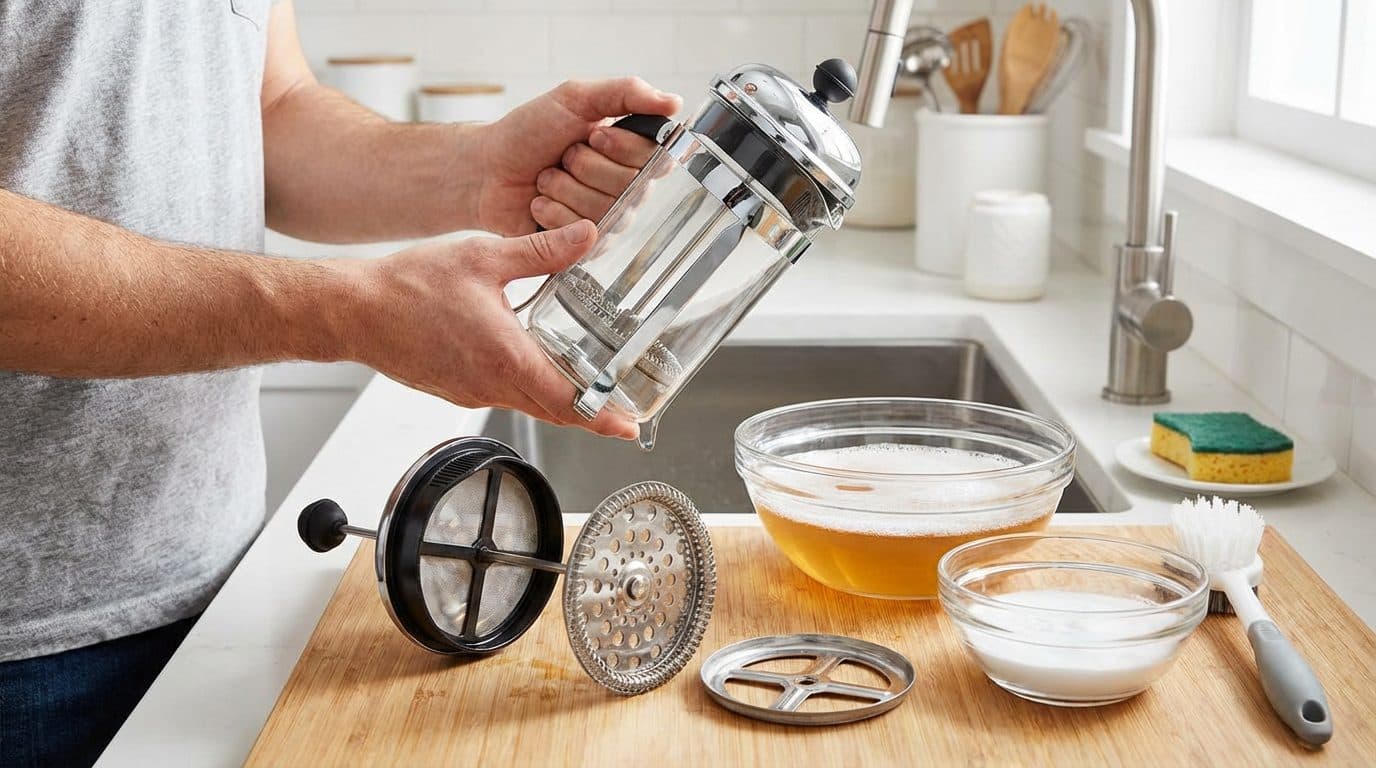
French press cleaning is more straightforward but equally important. Disassemble the plunger completely—most have three parts that unscrew. Wash all components with warm, soapy water after every use. Once a week, soak everything in a baking soda solution (one tablespoon per cup of warm water) to remove coffee oil buildup.
Pour-Over and Manual Brewers
These simpler devices are easier to maintain. Wash your dripper and carafe with mild soap after each use. For ceramic or glass pour-over cones, an occasional soak in a vinegar-water solution removes staining and keeps things fresh.
How Often Should You Clean Your Coffee Maker?
This is one of the most common questions I get, and the answer depends on how often you brew. Here’s a practical schedule that works for most home baristas:
| Task | Frequency |
|---|---|
| Rinse carafe and filter basket | After every use |
| Wash removable parts with soap | Weekly |
| Full vinegar descaling cycle | Monthly (or every 30-40 brews) |
| Deep clean and exterior wipe-down | Monthly |
If you have hard water (you’ll know by the white residue on your faucets and showerheads), consider descaling every two to three weeks. Hard water accelerates mineral buildup dramatically.
Did You Know? Using filtered water for brewing doesn’t just improve taste—it also reduces how often you need to descale. A simple pitcher filter can extend the time between deep cleans significantly.
Common Coffee Maker Cleaning Myths—Busted
Let’s address some misconceptions I hear all the time.
Myth: Running Water Through Is Enough
Water alone won’t dissolve mineral deposits or cut through coffee oils. You need the acidity of vinegar (or a commercial descaler) to properly clean the internal components you can’t see or reach.
Myth: You Only Need to Clean When Coffee Tastes Bad
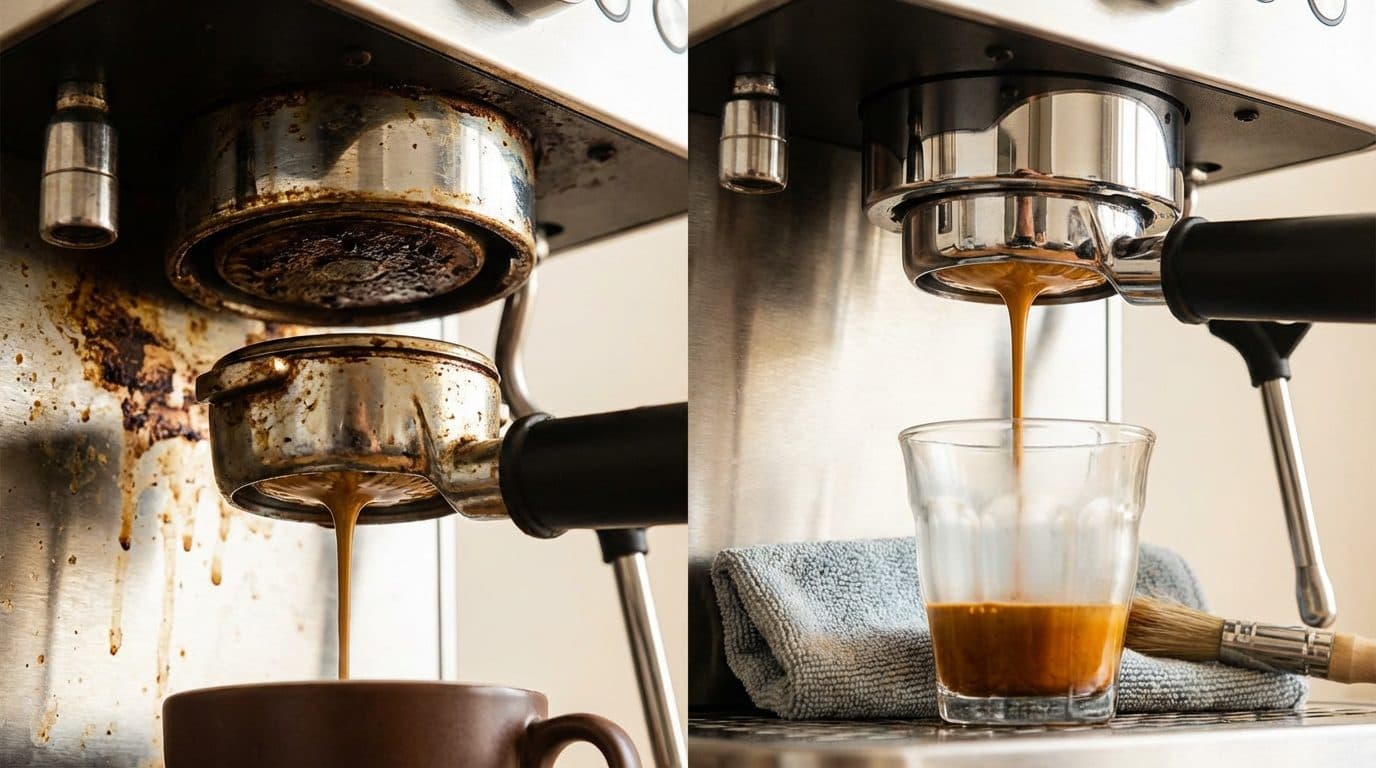
By the time you notice a flavor change, buildup has already been accumulating for weeks. Regular preventive cleaning keeps your coffee tasting consistently great and prevents more serious clogs.
Myth: Vinegar Will Damage Your Machine
White vinegar is perfectly safe for coffee maker components when diluted and thoroughly rinsed. It’s actually gentler than many commercial descalers. However, some manufacturers (particularly espresso machine brands) do recommend specific descaling products, so check your manual if you’re unsure.
Frequently Asked Questions
Can I use apple cider vinegar instead of white vinegar?
Technically yes, but I don’t recommend it. Apple cider vinegar has a stronger smell and can leave behind a slightly different residue. White distilled vinegar is more effective, cheaper, and rinses away more cleanly.
How do I know if my coffee maker is fully rinsed after cleaning?
The best test is the smell and taste test. After your rinsing cycles, smell the empty carafe and brew water. If there’s any trace of vinegar odor, run another rinse cycle. Some people even taste a small sip of the rinse water (once it’s cooled) to be absolutely sure.
Is it safe to put coffee maker parts in the dishwasher?
Check your machine’s manual first. Many glass carafes and plastic filter baskets are dishwasher-safe on the top rack, but some have special coatings that can be damaged. When in doubt, hand washing is always the safer choice.
My coffee maker has a “clean” button. Do I still need to use vinegar?
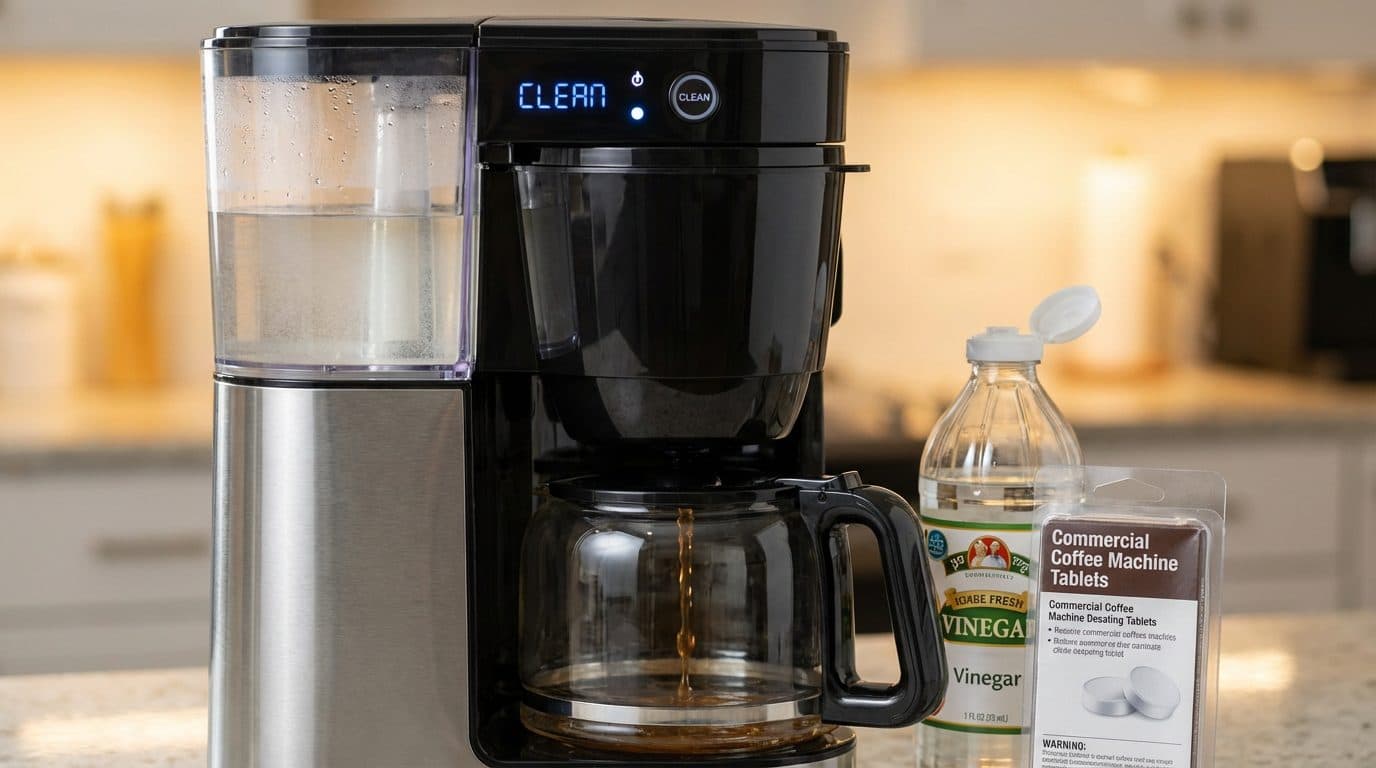
That clean cycle is designed to work with a descaling solution—usually vinegar or a commercial product. The button typically just runs a longer, hotter cycle optimized for cleaning. You still need to add the cleaning solution; the button alone won’t do the job.
Can a dirty coffee maker make me sick?
While serious illness is rare, the mold and bacteria that grow in neglected coffee makers can potentially cause allergic reactions or digestive issues in sensitive individuals. Regular cleaning eliminates this risk entirely.
Conclusion: Fresh Machine, Fresh Coffee
Life is too short for bad coffee, and a clean coffee maker is the foundation of every great cup you’ll brew at home. By following the simple steps outlined above—monthly descaling, weekly part washing, and daily rinsing—you’ll notice an immediate improvement in flavor and aroma.
I’ve found that once you establish a cleaning routine, it becomes second nature. Set a monthly reminder on your phone, keep a jug of white vinegar under the sink, and you’ll never have to wonder why your coffee tastes strange again.
Your coffee maker works hard for you every morning. Give it a little care, and it’ll reward you with better-tasting coffee for years to come. Start with a cleaning session this weekend—your taste buds will notice the difference with your very next brew.




Comments