


Table of Contents
- Why Grinding Your Own Coffee Beans Matters
- Blade Grinders vs. Burr Grinders: Which Should You Choose?
- Blade Grinders: The Budget Option
- Burr Grinders: The Better Investment
- Manual vs. Electric Coffee Grinders
- Manual Hand Grinders
- Electric Grinders
- Key Features to Look for in Your First Coffee Grinder
- Grind Size Settings
- Burr Material
- Hopper and Grounds Container Size
- Build Quality and Durability
- Ease of Cleaning
- Matching Your Grinder to Your Brewing Method
- Budget Considerations for Your First Coffee Grinder
- Under $30
- $30-$75
- $75-$150
- $150 and Up
- Frequently Asked Questions
- Can I use a blade grinder for espresso?
- How often should I clean my coffee grinder?
- Do expensive grinders really make a noticeable difference?
- How long do coffee grinder burrs last?
- Is a hand grinder too much work for daily use?
- The Bottom Line
Your first coffee grinder should almost always be a burr grinder, not a blade grinder, unless your budget is extremely tight. Fresh grinding improves flavor, but consistency is what lets you repeat a good cup. A cheap blade grinder can chop beans; a decent burr grinder helps you control extraction.
For most people brewing drip coffee, French press, AeroPress, cold brew, or pour-over at home, the best starting point is a simple burr grinder in the $50 to $150 range. Spend more only if you plan to make real espresso or you already know you care about fine adjustments, low retention, and long-term parts support.
Why Grinding Your Own Coffee Beans Matters
Coffee loses aroma faster once it is ground because far more surface area is exposed to oxygen. Whole beans still age, but they hold onto fragrant compounds better than pre-ground coffee. That is why a freshly opened bag of pre-ground coffee can smell lively on day one and flat a week later.
The second benefit is control. A French press needs coarse grounds. Pour-over usually needs medium to medium-fine grounds. Espresso needs a much finer grind and small adjustments. If the grind size does not match the brewer, the cup can taste bitter, sour, weak, muddy, or all of those in the same week.
Grinding at home gives you:
- More aroma in the cup, especially during the first days after opening a bag
- Control over grind size for each brewing method
- Better use of whole-bean coffee, which generally stores better than ground coffee
- A repeatable way to adjust taste instead of guessing blindly
The Specialty Coffee Association treats grind size as one of the key brewing variables for extraction. You do not need professional equipment, but you do need a grinder that can give you reasonably even particles.
Blade Grinders vs. Burr Grinders: Which Should You Choose?

This choice matters more than most feature lists. A grinder can have a timer, sleek buttons, and a nice hopper, but if it produces dust and boulders together, brewing becomes frustrating.
Blade Grinders: The Budget Option
Blade grinders use a spinning blade to chop coffee. They are inexpensive, small, and easy to find. The catch is that they do not truly set a grind size; they chop for a length of time. A few seconds gives you large chunks, a longer run gives you powder, and the final batch usually contains both.
That unevenness matters because small particles extract quickly and large particles extract slowly. In the same brew, the fine powder can taste harsh while the larger pieces taste underdeveloped. For casual drip coffee with milk, you may accept the trade-off. For French press, pour-over, or espresso, the limitations show up fast.
Burr Grinders: The Better Investment
Burr grinders crush coffee between two abrasive surfaces set a specific distance apart. That design gives you a narrower particle range and a more predictable grind. It also lets you adjust from coarse to fine with a dial, stepped ring, or internal setting.
A basic burr grinder is not automatically excellent, but it is usually a major improvement over a blade grinder. If your budget allows, start there. You will get more consistent brewing, easier troubleshooting, and a grinder that can grow with you as you try new methods.
Short answer: Buy a burr grinder if you can. Choose a blade grinder only as a temporary tool, and avoid it entirely for espresso.
Manual vs. Electric Coffee Grinders

Once you know you want burrs, the next question is power. Manual and electric grinders can both work well, but they fit different households.
Manual Hand Grinders
Manual grinders use a crank. You load beans, set the grind, and turn by hand. For one cup, that may take 30 to 90 seconds depending on the grinder, roast, and grind size. Finer grinding takes more effort.
Manual grinders make sense if you:
- Brew one or two cups at a time
- Want better burr quality at a lower price
- Need something compact for a small kitchen, office, or travel bag
- Care about quiet mornings
- Do not mind a little physical effort before brewing
The skeptic’s caveat: very cheap hand grinders can be slow, wobbly, and annoying to adjust. If the crank feels flimsy or the burr shaft has too much play, consistency suffers.
Electric Grinders
Electric grinders are faster and easier for daily use, especially if you brew for more than one person. They also remove the small but real annoyance of hand grinding before coffee. The trade-offs are noise, counter space, price, and sometimes more cleaning.
Electric grinders make sense if you:
- Brew a full pot or several cups most days
- Want fast, low-effort grinding
- Have counter or cabinet space for a larger appliance
- Share coffee duties with people who will not use a hand grinder
If you are unsure, choose based on volume. One cup a day points toward manual. A household pot every morning points toward electric.
Key Features to Look for in Your First Coffee Grinder
Feature lists can get silly. Beginners do not need every premium control. They need a grinder that is consistent enough, easy to adjust, easy to clean, and pleasant enough that it actually gets used.
Grind Size Settings

Look for clear settings you can return to. Numbered steps are useful for beginners because you can write down what worked: “French press at 28,” “drip at 18,” “pour-over at 15.” Stepless grinders offer more precision, but they can be fussier for new users.
Burr Material
Entry-level grinders usually use steel or ceramic burrs. Steel burrs are common, durable, and efficient. Ceramic burrs can last a long time but may be more brittle if dropped. At beginner prices, burr alignment and build quality matter more than the material alone.
Hopper and Grounds Container Size
Do not overbuy capacity. A large hopper is convenient, but storing beans in it for days exposes them to air and light unless the design seals well. Many home brewers are better off weighing beans for each brew and keeping the rest in the original bag or an airtight container.
For a full pot each morning, choose a grinder that can handle 50 to 70 grams comfortably. For single-cup brewing, a smaller hand grinder or compact electric model is enough.
Build Quality and Durability
A grinder is a daily tool. Check for a stable base, a firm adjustment mechanism, replacement parts, and user reviews that mention long-term use rather than first-week excitement. Lightweight plastic is not automatically bad, but flex, rattling, and inconsistent adjustment are warning signs.
Ease of Cleaning
Coffee oils and fines collect inside grinders. Over time, they can make fresh beans taste stale. Choose a grinder that lets you brush out the burr area without a complicated teardown. Removable burr access is helpful, especially for electric grinders used every day.
Matching Your Grinder to Your Brewing Method

Pick the grinder for the coffee you actually make, not the coffee you imagine making someday. A grinder that is excellent for French press and drip may still be poor for espresso.
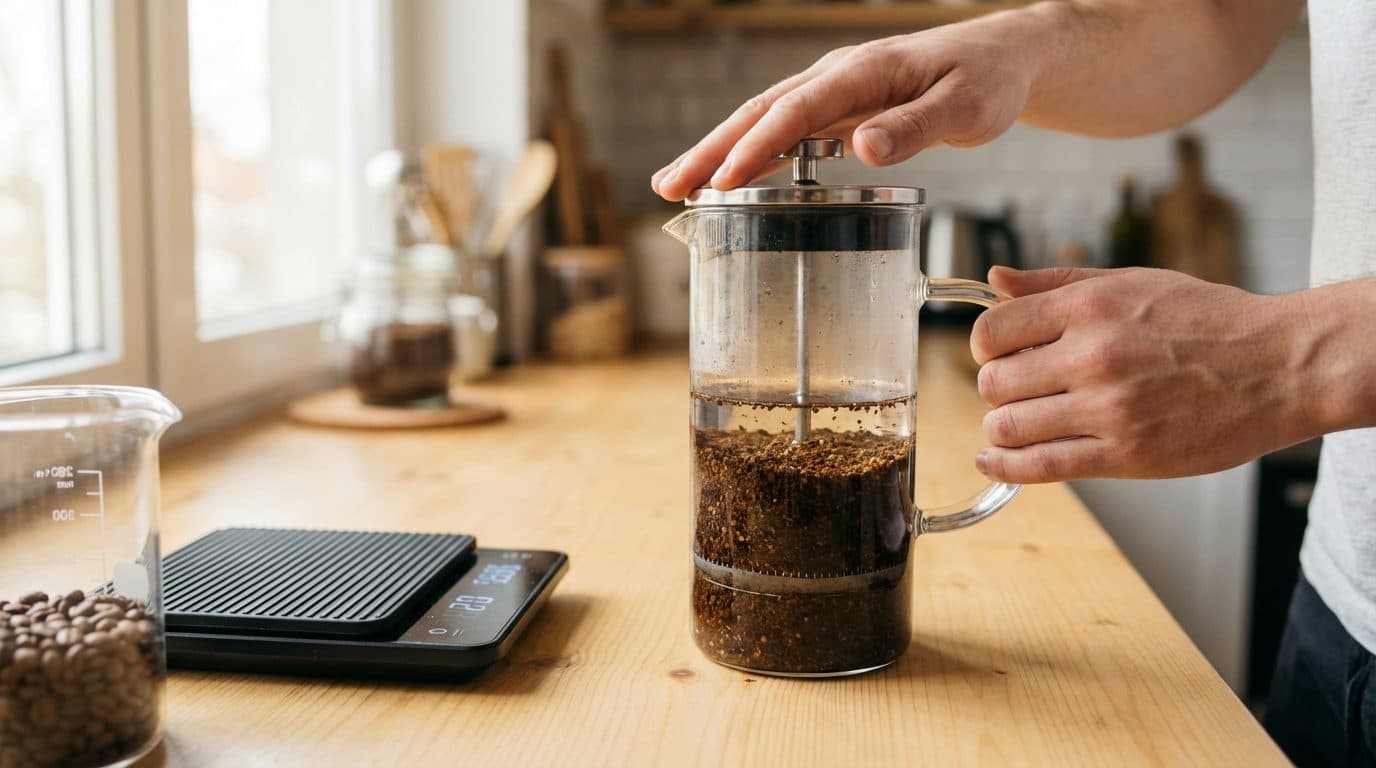
- French press: Coarse grind, similar to coarse sea salt
- Drip coffee maker: Medium grind, close to table salt or sand
- Pour-over: Medium to medium-fine, adjusted by brew time and taste
- AeroPress: Medium-fine to fine, depending on recipe
- Espresso: Very fine, with precise micro-adjustments
- Cold brew: Coarse to extra coarse
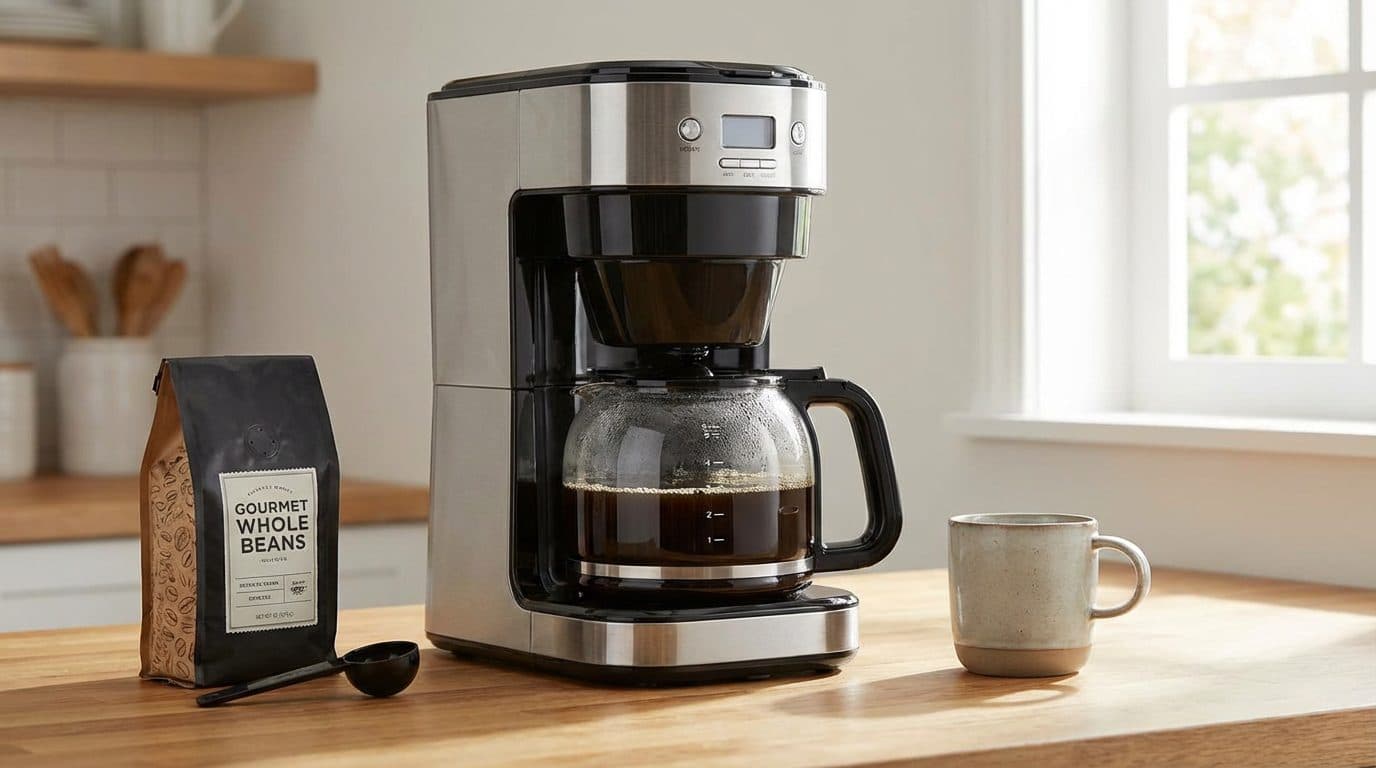
If you mostly brew French press, drip, cold brew, or pour-over, an entry-level burr grinder can work well. If you want espresso from a traditional machine, budget differently. Espresso grinders need fine adjustment and consistency under pressure; many general-purpose grinders cannot do that reliably.
A practical example: someone using a French press now and a pour-over dripper next month does not need a premium espresso grinder. A solid stepped burr grinder with a broad range is a better fit.
Budget Considerations for Your First Coffee Grinder
The honest answer is that the cheapest grinder is rarely the best value, but the most expensive grinder is usually unnecessary for a beginner. Spend enough to avoid frustration.
Under $30
This range is mostly blade grinders and basic hand grinders. If this is your limit, look for a manual burr grinder with decent reviews rather than a blade grinder. Expect slower grinding and less refinement.
$30-$75
This is where useful manual burr grinders and entry-level electric burr grinders begin. They are not perfect, but they can dramatically improve drip, French press, AeroPress, and cold brew compared with pre-ground coffee.
$75-$150

This is the safest beginner range for daily use. You can find more reliable electric burr grinders, better hand grinders, stronger burr support, and clearer settings. If coffee is part of your every-morning routine, this range is usually worth it.
$150 and Up
Higher prices can bring better burrs, lower grind retention, quieter motors, metal construction, and espresso capability. Those benefits are real, but they matter most when you already brew carefully or need espresso-level precision.
Best value for most beginners: Choose a burr grinder between $50 and $150, manual if you brew one cup, electric if you brew for a household.
Frequently Asked Questions
Can I use a blade grinder for espresso?
You can physically grind beans with one, but you should not expect good espresso. Espresso needs a very fine, consistent grind. Blade grinders produce uneven particles, which often leads to channeling, weak shots, bitter shots, or both.
How often should I clean my coffee grinder?
Brush out loose grounds often, especially if you grind daily. Do a deeper clean every few weeks or whenever the grinder smells stale. Avoid washing burrs with water unless the manufacturer says it is safe; moisture and metal burrs are a bad pairing.
Do expensive grinders really make a noticeable difference?
The jump from blade to burr is usually obvious. The jump from a good beginner burr grinder to a premium grinder is subtler for drip or French press, but more important for espresso and very precise pour-over brewing. Start with the best grinder that fits your actual routine.
How long do coffee grinder burrs last?

For normal home use, quality burrs can last for years. Heavy daily grinding, very light roasts, and poor cleaning shorten that life. If the grinder suddenly needs a much finer setting to produce the same brew time, dull burrs may be part of the problem.
Is a hand grinder too much work for daily use?
For one cup, many people are fine with it. For two or more cups every morning, it can become a chore. If your household drinks a lot of coffee, buy electric unless quiet operation or portability matters more than speed.
The Bottom Line
Choosing a first grinder is mostly about avoiding the wrong compromises. Burrs matter more than a fancy display. Grind range matters more than a huge hopper. Daily convenience matters more than theoretical features you may never use.
If you brew one cup at a time, choose a well-built manual burr grinder. If you brew for multiple people, choose an electric burr grinder. If espresso is the goal, do not treat the grinder as an accessory; it is the core piece of equipment. Get the grinder right and the rest of your home coffee setup becomes much easier to improve.

Comments