



Table of Contents
- Why Your Coffee Mug Matters More Than You Think
- Coffee Mug Materials: Pros, Cons, and Best Uses
- Ceramic and Porcelain
- Glass
- Stainless Steel
- Enamel
- Size and Shape: Finding Your Perfect Fit
- Mug Capacity
- Rim Thickness and Shape
- Matching Your Mug to Your Brewing Method
- Espresso and Espresso-Based Drinks
- Pour-Over and Drip Coffee
- French Press and Immersion Brewing
- Cold Brew and Iced Coffee
- Practical Tips for Choosing the Right Coffee Mug
- Frequently Asked Questions
- Does the color of my coffee mug affect taste?
- Should I preheat my coffee mug?
- Are expensive mugs worth it?
- Can I use any mug for espresso?
- How do I clean stainless steel mugs to prevent metallic taste?
- Conclusion: Small Changes, Better Coffee
Have you ever noticed how your morning coffee tastes different depending on which mug you grab from the cabinet? It’s not just your imagination. The coffee mug you choose affects everything from temperature retention to aroma perception and even how much you enjoy that first sip. If you’re serious about brewing better coffee at home, choosing the right coffee mug is a small but surprisingly impactful step.
In this guide, you’ll discover what makes certain mugs better for coffee, which materials work best for different brewing methods, and how to pick the perfect mug for your daily routine. Whether you’re a casual coffee drinker or a home barista in training, these insights will help you elevate your coffee experience without spending a fortune.
Why Your Coffee Mug Matters More Than You Think
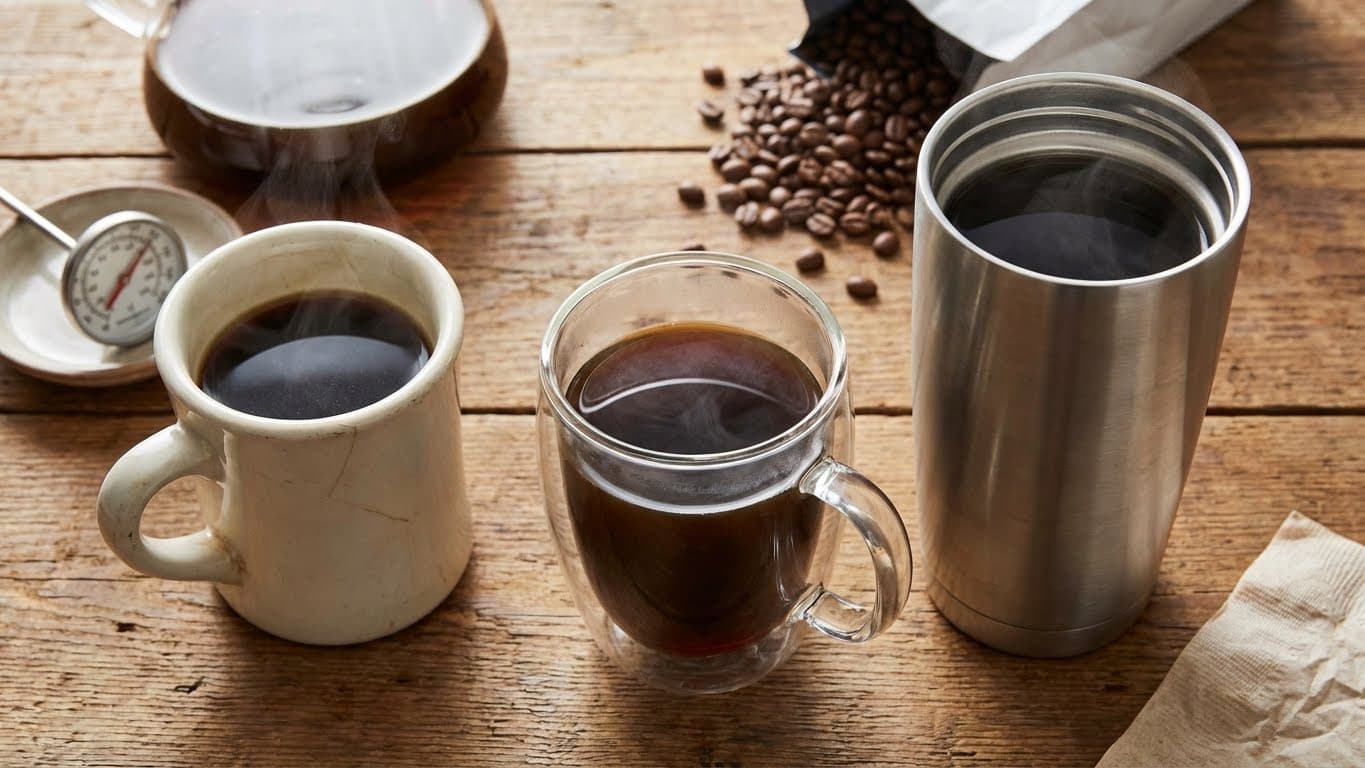
Most people don’t give much thought to their coffee mug. You grab whatever’s clean, pour your coffee, and get on with your day. But the vessel you drink from plays a real role in how you experience coffee—both practically and psychologically.
First, there’s temperature. Coffee brewed at the ideal extraction temperature (around 195–205°F) cools rapidly once poured. A thin ceramic mug will lose heat faster than a double-walled glass or insulated stainless steel option. If you’re someone who sips slowly, you might find your coffee turning lukewarm before you’re halfway through.
Then there’s the sensory experience. The rim thickness, the mug’s weight in your hand, and even its color can subtly influence how you perceive your coffee’s flavor. Studies have shown that people rate the same coffee as more intense when served in a white mug versus a clear glass. It sounds strange, but our brains process taste alongside visual and tactile cues.
In short: Your mug isn’t just a container—it’s part of the coffee experience.
Coffee Mug Materials: Pros, Cons, and Best Uses
The material of your mug is the most important factor to consider. Each option has strengths and weaknesses depending on how you like to drink your coffee.
Ceramic and Porcelain
Ceramic mugs are the classic choice for good reason. They’re affordable, widely available, and don’t impart any flavor to your coffee. Porcelain, a finer type of ceramic, tends to be thinner and more elegant.
- Pros: Neutral taste, retains heat reasonably well, microwave-safe, easy to clean.
- Cons: Can chip or crack, thinner versions lose heat faster.
- Best for: Everyday home brewing, drip coffee, pour-over.
If you’re making a simple morning brew and drinking it within 15–20 minutes, a good ceramic mug is all you need. Look for thicker walls if heat retention is important to you.
Glass
Glass mugs offer a beautiful visual experience—you can watch the layers of a latte or the clarity of a light roast. Double-walled borosilicate glass has become popular because it insulates well while staying cool to the touch.
- Pros: Elegant appearance, no flavor transfer, double-walled versions retain heat well.
- Cons: Fragile, single-walled glass loses heat quickly.
- Best for: Specialty drinks, lattes, iced coffee, anyone who appreciates coffee’s visual appeal.
Imagine serving yourself a cortado in a clear double-walled glass. You see the espresso meet the milk, the colors layering perfectly. It makes a Tuesday morning feel a little more special.
Stainless Steel

Stainless steel mugs, especially vacuum-insulated travel mugs, are unbeatable for heat retention. Some can keep coffee hot for 6+ hours.
- Pros: Excellent insulation, virtually indestructible, great for travel.
- Cons: Can sometimes impart a slight metallic taste, not microwave-safe.
- Best for: Commuters, outdoor use, anyone who drinks slowly.
A word of caution: cheap stainless steel can affect your coffee’s flavor. Invest in quality brands with food-grade interiors if you go this route.
Enamel
Enamel mugs have a nostalgic, campfire aesthetic. They’re made of metal coated with a porcelain layer.
- Pros: Lightweight, durable, charming vintage look.
- Cons: Poor heat retention, conducts heat (can burn your lips), enamel can chip.
- Best for: Camping, outdoor adventures, aesthetic-focused kitchens.
They’re not the most practical choice for home use, but if the rustic vibe makes you happy, that enjoyment counts for something.
Size and Shape: Finding Your Perfect Fit
Beyond material, the size and shape of your mug influence your coffee routine in practical ways.
Mug Capacity
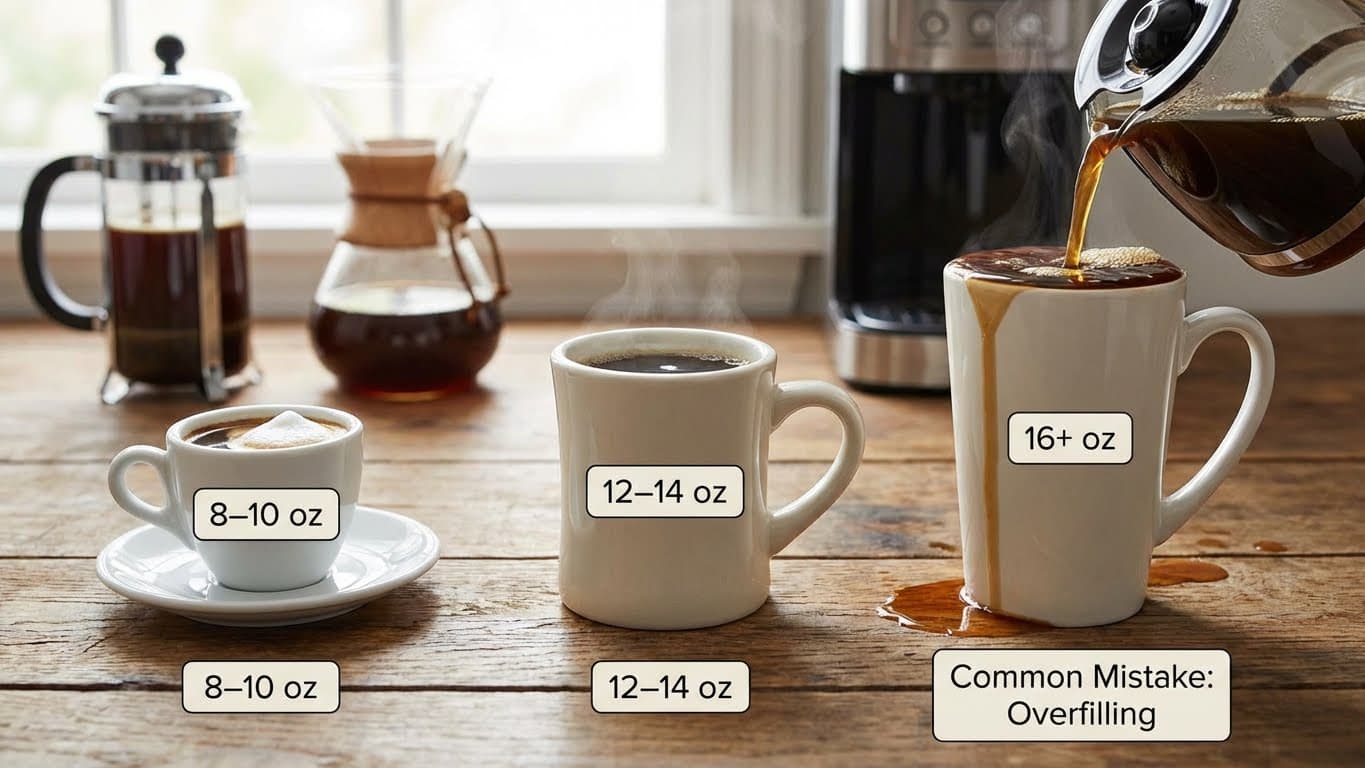
Coffee mugs typically range from 8 ounces (a standard cup) to 16 ounces or more (oversized mugs). Choosing the right size depends on how you brew and how much you drink.
- 8–10 oz: Ideal for espresso-based drinks, pour-overs, and anyone who prefers smaller, hotter servings.
- 12–14 oz: A good middle ground for drip coffee or French press.
- 16+ oz: Great if you want one large coffee to last the morning, but expect faster cooling.
Here’s a common mistake: brewing 10 ounces of coffee and pouring it into a 16-ounce mug. All that empty space means more surface area for heat to escape. Match your mug size to your typical serving for better temperature retention.
Rim Thickness and Shape
The rim might seem like a minor detail, but it affects how coffee flows onto your tongue. A thin rim delivers coffee more directly to your taste buds, which many coffee enthusiasts prefer. Thick, rounded rims can feel more comfortable and cozy but slightly dull the tasting experience.
Wide-mouth mugs allow more aroma to reach your nose as you sip—helpful for appreciating complex single-origin coffees. Narrower openings concentrate heat and reduce cooling.
Matching Your Mug to Your Brewing Method
Different brewing methods produce different volumes, strengths, and flavor profiles. Your mug should complement what’s going into it.
Espresso and Espresso-Based Drinks
For straight espresso, a small 2–3 oz demitasse cup is traditional. These cups are often thick-walled to retain heat for the small volume of liquid. For lattes and cappuccinos, a 6–8 oz ceramic cup works well—it gives the milk room to blend while keeping proportions balanced.
Pour-Over and Drip Coffee
Pour-over coffee often highlights delicate, nuanced flavors. A thin-walled ceramic or porcelain mug in the 10–12 oz range lets you appreciate the clarity without overwhelming your palate. Some pour-over enthusiasts prefer wide cups to enhance aroma perception.
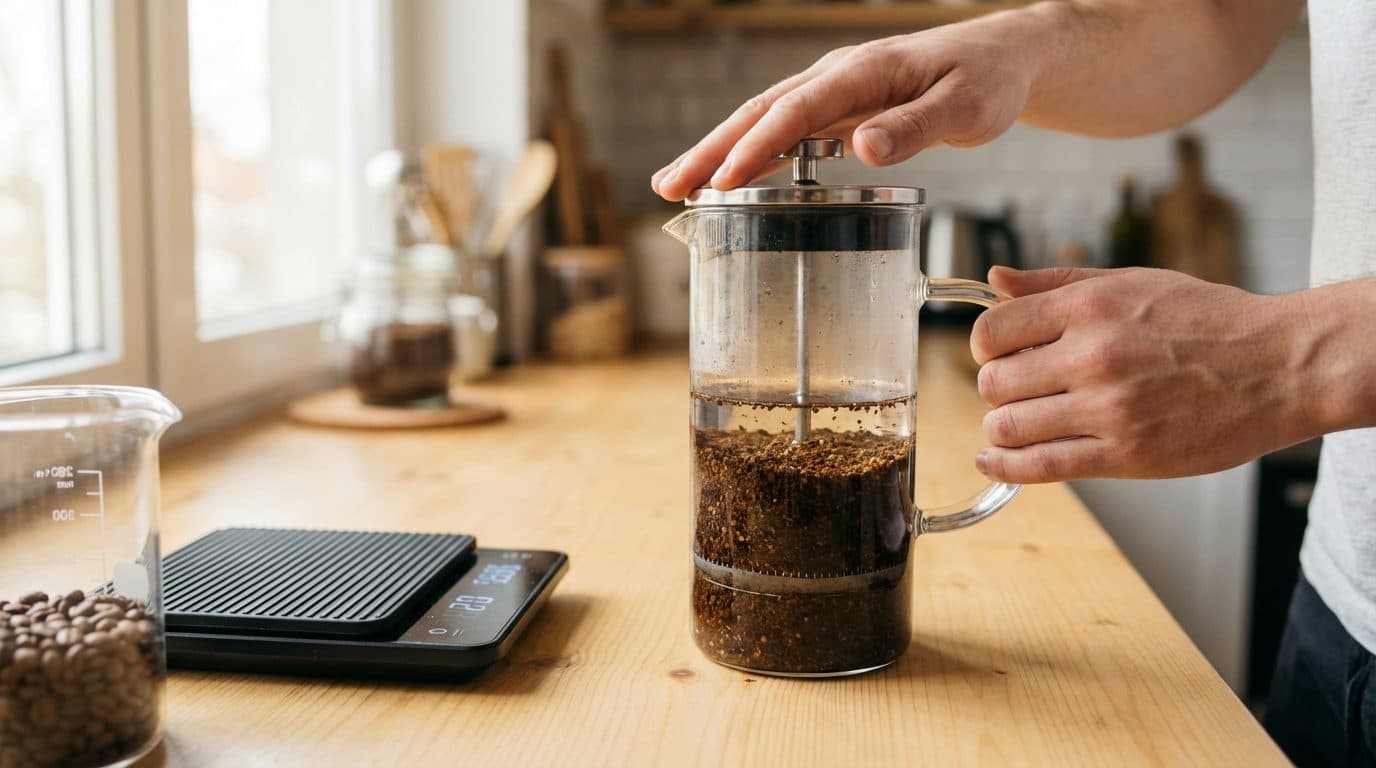
French Press and Immersion Brewing
French press coffee tends to be bold and full-bodied. A sturdy ceramic mug with thicker walls pairs nicely with this style. The 12–14 oz size range is practical since French press typically yields larger servings.
Cold Brew and Iced Coffee

For cold drinks, insulation isn’t about heat—it’s about preventing condensation and keeping ice from melting too fast. Double-walled glass or insulated tumblers work great. A handle isn’t necessary here, so feel free to explore cup styles beyond traditional mugs.
Practical Tips for Choosing the Right Coffee Mug
With all this information, here’s how to put it into action when shopping for your next mug.
- Consider your drinking pace. Slow sipper? Prioritize insulation. Quick drinker? Basic ceramic is fine.
- Think about your morning routine. Commuting? A sealed travel mug is essential. Working from home? You have more flexibility.
- Preheat your mug. No matter the material, rinsing your mug with hot water before pouring coffee keeps it warmer longer. This simple trick makes a noticeable difference.
- Don’t overlook comfort. A mug that’s too heavy, too small to grip comfortably, or awkward to hold will annoy you daily. Handle size and weight matter.
- Test before committing. If possible, drink from a mug before buying a whole set. Thrift stores and coffee shops are good places to experiment with different styles cheaply.
A real-life example: one home brewer switched from a thin novelty mug to a thick-walled ceramic mug with a comfortable handle. The coffee stayed hot nearly twice as long, and the morning ritual felt noticeably more enjoyable. Small upgrade, meaningful difference.
Frequently Asked Questions
Does the color of my coffee mug affect taste?
Research suggests that mug color can influence perception. White mugs tend to make coffee seem more intense or bitter, while clear glass can make it seem milder. It’s a subtle psychological effect, not a change in actual flavor, but it’s real enough to consider if you’re curious.
Should I preheat my coffee mug?
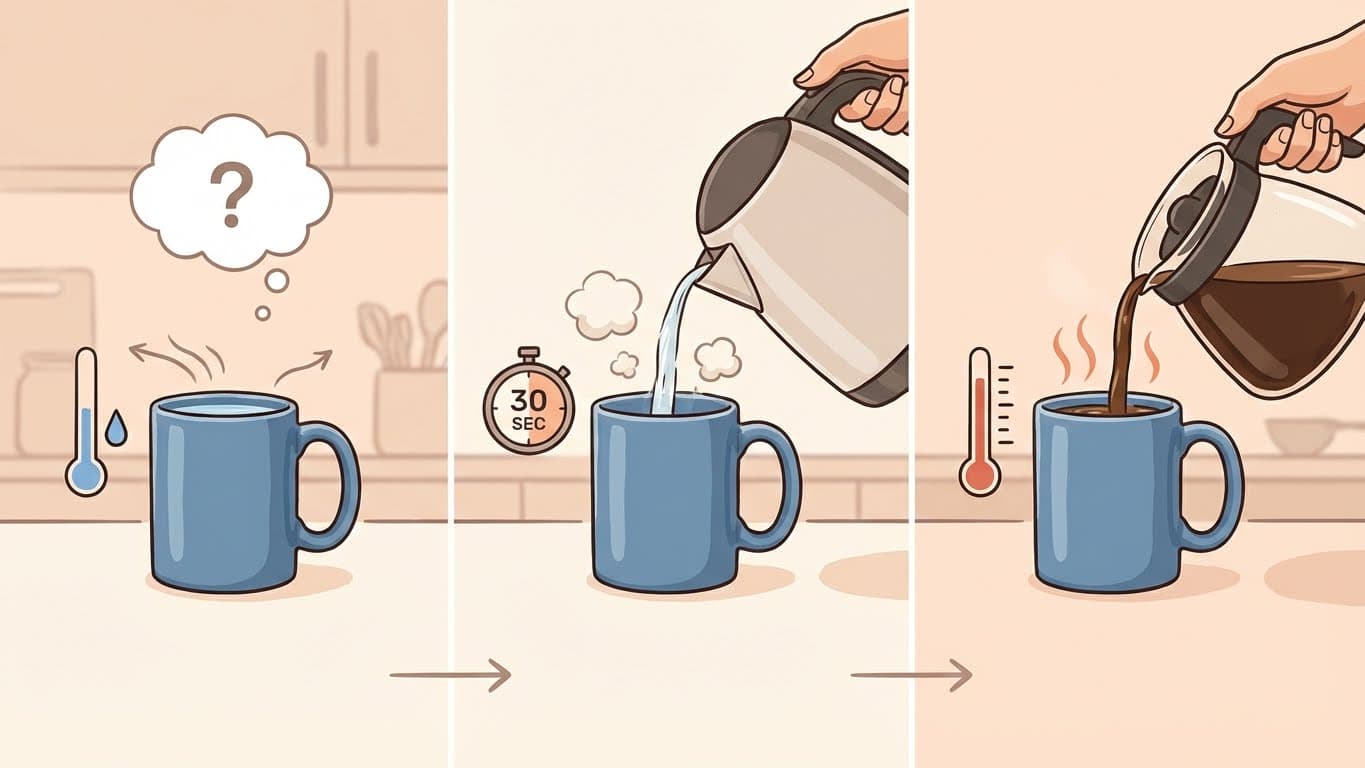
Yes, especially if you’re using ceramic or porcelain. A cold mug can drop your coffee’s temperature by 10–15°F immediately. Just fill the mug with hot water for 30 seconds before pouring your coffee, then discard the water.
Are expensive mugs worth it?
It depends on what you value. A well-made mug from a reputable brand will last longer, feel better in your hand, and often retain heat more effectively. That said, a $10 ceramic mug can serve you perfectly well. Spend more only if quality craftsmanship or specific features (like vacuum insulation) matter to you.
Can I use any mug for espresso?
Technically, yes, but small demitasse cups or espresso-specific cups are designed to maintain the crema and temperature of a 1–2 oz shot. Pouring espresso into a large mug causes rapid heat loss and dilutes the visual appeal of the crema.
How do I clean stainless steel mugs to prevent metallic taste?
Wash with warm water and mild dish soap after each use. For deeper cleaning, use a mixture of baking soda and water, or a specialized bottle brush. Avoid bleach, which can damage the insulation seal over time.
Conclusion: Small Changes, Better Coffee
Choosing the right coffee mug for better coffee at home isn’t about obsessing over details—it’s about making intentional choices that enhance your daily ritual. The material, size, shape, and even how you care for your mug all contribute to your overall coffee experience.
Start by assessing how you drink coffee now. Do you wish it stayed hotter? Consider a thicker mug or double-walled option. Do you want to appreciate the visual beauty of your brew? Try glass. Match your mug to your brewing method, preheat when you can, and choose something that feels good in your hands.
By paying attention to this often-overlooked detail, you’ll find that your morning coffee tastes just a little bit better—and that’s a win worth having.

Comments