


Table of Contents
- Understanding Coffee Pods vs Ground Coffee: The Basics
- How Each Method Works
- Comparing Taste and Quality in Home Brewing
- Factors That Affect Your Cup
- Cost Analysis: Coffee Pods vs Ground Coffee Over Time
- Hidden Costs to Consider
- Convenience and Lifestyle Considerations
- When Ground Coffee Makes More Sense
- Environmental Impact: An Important Factor
- Reducing Your Coffee Footprint
- Frequently Asked Questions
- Do coffee pods expire or go stale?
- Can I use any ground coffee in reusable pods?
- Is pod coffee weaker than traditionally brewed coffee?
- How long does ground coffee stay fresh after opening?
- Are expensive pods worth the higher price?
- Conclusion: Making Your Home Brewing Decision
Standing in the coffee aisle, staring at rows of colorful pods on one side and bags of ground coffee on the other, you might wonder which option actually makes sense for your morning routine. It’s a question millions of home brewers face, and the answer isn’t as straightforward as marketing campaigns would have you believe. Your ideal choice depends on factors like how much time you have in the morning, what flavor profile you prefer, your budget, and even how you feel about environmental impact.
In this guide, you’ll discover the key differences between coffee pods and ground coffee for home brewing. We’ll break down the pros and cons of each option, compare costs over time, examine taste quality, and help you figure out which method fits your lifestyle best.
Understanding Coffee Pods vs Ground Coffee: The Basics
Before diving into comparisons, let’s clarify what we’re actually comparing. Coffee pods (also called capsules) are pre-measured, sealed containers of ground coffee designed for specific brewing machines. The most common formats include Nespresso capsules, Keurig K-Cups, and Dolce Gusto pods. Each pod contains around 5-12 grams of coffee, pre-ground and packed in a controlled environment.
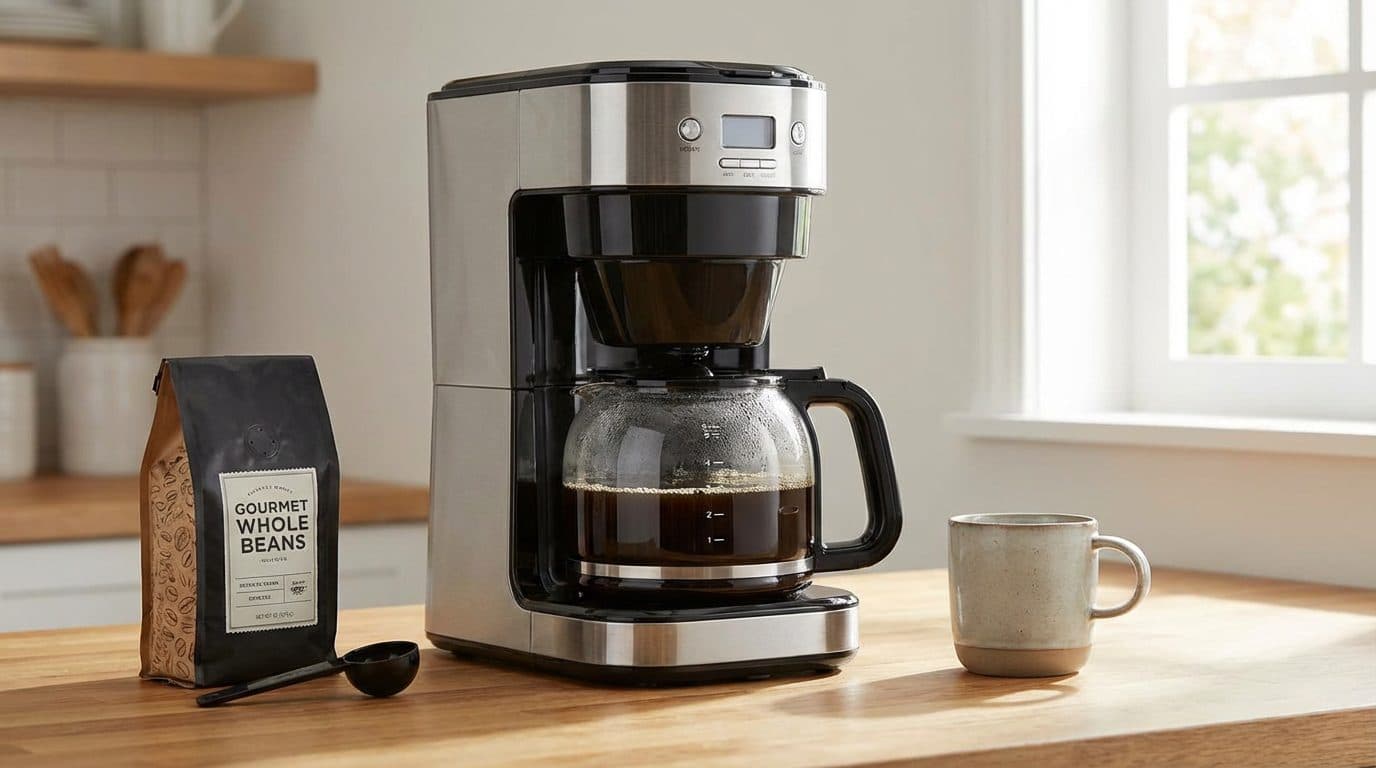
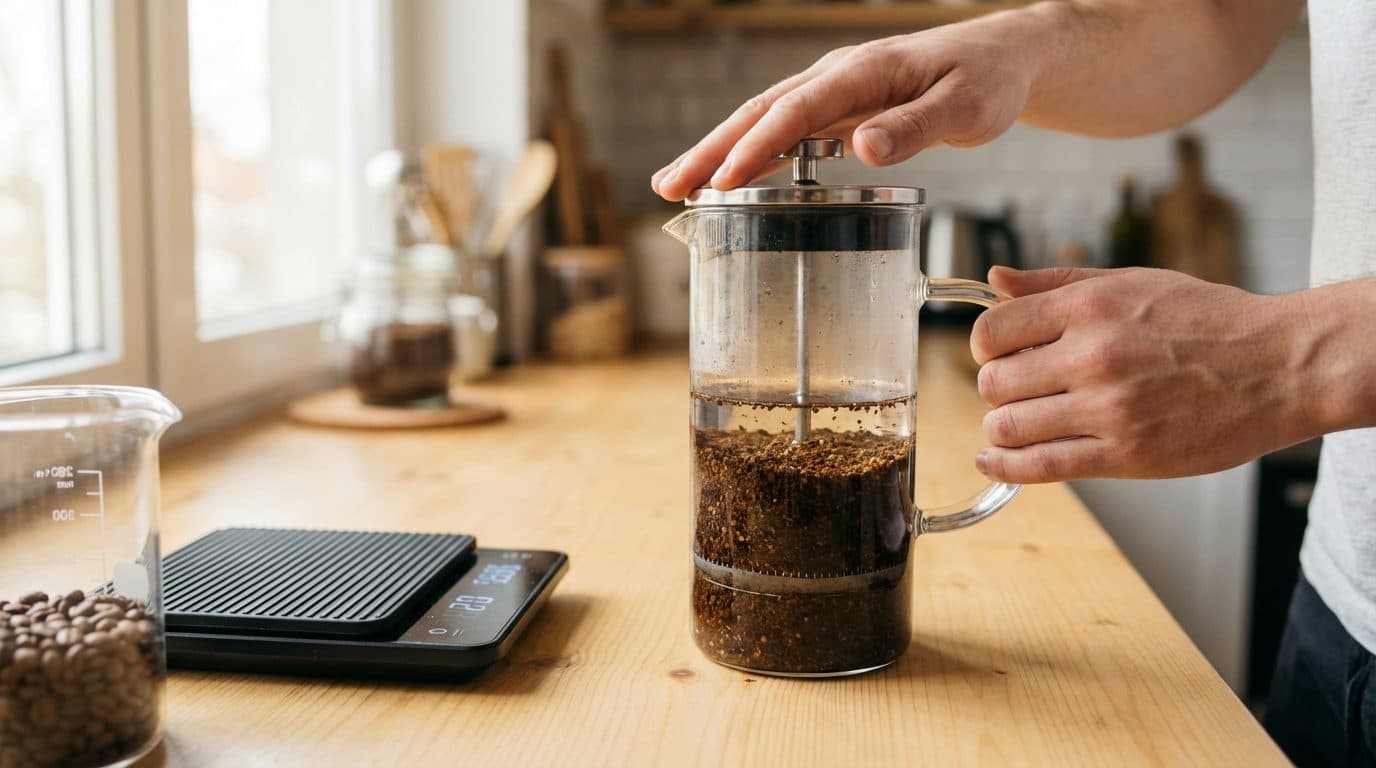
Ground coffee, on the other hand, refers to coffee beans that have been roasted and ground, sold in bags or cans. You use this with traditional brewing methods like drip coffee makers, French presses, pour-over devices, or Moka pots. The grind size varies depending on the intended brewing method.
How Each Method Works

With coffee pods, the process is simple: insert the pod, press a button, and wait about 30-60 seconds. The machine punctures the pod, forces hot water through it under pressure, and delivers your coffee directly into your cup. There’s almost no learning curve involved.
Ground coffee requires a bit more involvement. You measure the coffee, add water to your brewing device, and control variables like water temperature and brewing time. A basic drip machine automates most of this, but methods like French press or pour-over give you more hands-on control. This process typically takes 3-10 minutes depending on your chosen method.
Comparing Taste and Quality in Home Brewing
Here’s where things get interesting. Many coffee enthusiasts argue that ground coffee offers superior taste, and there’s some truth to that claim. When you buy freshly ground coffee (or grind beans yourself), you preserve more of the volatile aromatic compounds that create complex flavors. These compounds start degrading within minutes of grinding.
Coffee pods, despite being sealed in nitrogen-flushed containers, can’t match the freshness of coffee ground moments before brewing. However, they do offer remarkable consistency. Every pod delivers nearly identical results, which appeals to people who want predictable quality without the variables of manual brewing.
Factors That Affect Your Cup

- Freshness: Ground coffee loses flavor faster once opened; pods stay fresher longer due to individual sealing
- Grind consistency: Pods offer uniform grind; pre-ground coffee quality varies by brand
- Brewing control: Ground coffee allows you to adjust strength, temperature, and timing
- Coffee origin and quality: Both formats now offer specialty and single-origin options
Here’s a real-world example: imagine you’re a busy parent who makes coffee at 6 AM while half-asleep. With pods, you’ll get the same decent cup every morning. With ground coffee in a pour-over, you might make an exceptional cup when you nail the technique—or a disappointing one when you rush it. In short, pods offer consistency while ground coffee offers potential for higher quality with more skill and attention.
Cost Analysis: Coffee Pods vs Ground Coffee Over Time
Let’s talk money, because this is where choosing between coffee pods and ground coffee becomes very practical. The price difference is significant when you calculate your annual coffee expenses.
A typical coffee pod costs between $0.40 and $1.00 depending on the brand. Premium and specialty pods can run even higher. If you drink two cups daily, that’s roughly $300-$700 per year just on pods. Ground coffee, by comparison, costs approximately $0.15-$0.30 per cup for quality beans, putting your annual expense at $110-$220 for the same consumption.
Hidden Costs to Consider
- Machine investment: Pod machines range from $80-$500; quality drip makers cost $30-$200
- Maintenance: Pod machines require descaling solutions; some need proprietary cleaning pods
- Accessories: Ground coffee methods might need filters, grinders, or scales
- Electricity: Pod machines often have standby modes that consume power
Consider this scenario: Sarah switched from pods to a simple drip coffee maker with quality ground coffee. Her initial investment was $60 for the machine and $15 for a basic kitchen scale. Within four months, she’d recovered that cost through savings on coffee. Over a year, she saved approximately $350 compared to her pod habit. That’s a weekend getaway funded by switching coffee methods.
Convenience and Lifestyle Considerations

Cost isn’t everything. For many home brewers, convenience plays an equally important role when choosing between coffee pods and ground coffee. Your daily routine, kitchen space, and patience levels all matter here.
Coffee pods win the convenience battle hands down. You’re looking at about 60 seconds from pressing a button to holding a hot cup. There’s virtually no cleanup—just toss the used pod. This makes pods ideal for office environments, small kitchens, or households where different people prefer different coffee types.
When Ground Coffee Makes More Sense
Ground coffee shines in specific situations. If you enjoy the ritual of making coffee, the process itself becomes part of your morning pleasure rather than a chore. Weekend mornings with a French press can feel almost meditative. Ground coffee also works better when you’re brewing for multiple people—making a full pot is more efficient than producing individual pod servings.
- Choose pods if: You’re always rushed, want zero cleanup, or need single servings of different varieties
- Choose ground coffee if: You enjoy the process, regularly brew for groups, or want maximum flavor control
- Consider both if: You want quick weekday convenience but quality weekend brewing
Many households actually use both methods. A pod machine handles hectic Monday mornings while a pour-over setup comes out for leisurely Saturday coffee sessions. There’s no rule saying you must choose only one approach for your home brewing needs.
Environmental Impact: An Important Factor
The environmental discussion around coffee pods has grown louder in recent years, and it’s worth considering when making your choice. Traditional pods created billions of pieces of non-recyclable waste annually. A single-use plastic or aluminum capsule for every cup adds up quickly.
The industry has responded with recyclable and compostable options. Nespresso offers recycling programs, and many brands now produce biodegradable pods. However, convenience often undermines these programs—studies suggest only about 30% of recyclable pods actually get recycled properly.
Reducing Your Coffee Footprint

Ground coffee generally has a lower environmental impact. Coffee grounds are compostable, paper filters biodegrade, and packaging creates less waste per cup. Reusable pods offer a middle ground—you fill them with ground coffee but use them in pod machines. This approach costs more upfront but significantly reduces waste.
If environmental impact matters to you, consider these options:
- Compostable pods from certified brands
- Reusable pod systems with your favorite ground coffee
- Traditional brewing methods with compostable filters
- Participating in brand recycling programs if you stick with pods
Frequently Asked Questions
Do coffee pods expire or go stale?
Coffee pods have a shelf life of 8-12 months when stored properly. The sealed environment keeps coffee fresher longer than opened bags of ground coffee. However, pods past their best-by date won’t taste as vibrant, even if they’re technically safe to consume. For optimal flavor, use pods within six months of purchase.
Can I use any ground coffee in reusable pods?
Yes, but grind size matters. Most reusable pods work best with medium to medium-fine ground coffee. Too coarse and water flows through too quickly, producing weak coffee. Too fine and you risk clogging or over-extraction. Some experimentation helps you find the sweet spot for your specific reusable pod and machine combination.
Is pod coffee weaker than traditionally brewed coffee?
Not necessarily. Pod coffee often tastes different because of brewing speed and lower coffee-to-water ratios, but strength depends on the specific pod and machine settings. Many modern pod machines offer intensity adjustments. If you find pod coffee weak, try smaller cup sizes or lungo pods designed for longer extractions.
How long does ground coffee stay fresh after opening?

Ground coffee maintains peak freshness for about 1-2 weeks after opening when stored properly in an airtight container away from light and heat. It remains drinkable for 3-4 weeks but gradually loses aromatic complexity. For best results, buy smaller quantities more frequently rather than large bags that sit for months.
Are expensive pods worth the higher price?
Premium pods often use higher-quality beans and more careful roasting, which translates to better flavor. However, taste is subjective. Before committing to expensive pods, try variety packs or sample sizes. Some budget pods taste perfectly fine for everyday drinking, while specialty pods might be worth saving for moments when you want something special.
Conclusion: Making Your Home Brewing Decision
Choosing between coffee pods and ground coffee for home brewing ultimately comes down to your priorities. If convenience, consistency, and speed top your list, pods make your mornings easier despite the higher cost per cup. If you value flavor complexity, cost savings, and environmental responsibility, ground coffee offers more benefits with a slightly steeper learning curve.
Consider starting with your biggest pain point. Hate morning cleanup? Pods might be your answer. Tired of expensive coffee that tastes average? Ground coffee could transform your experience. Remember that you’re not locked into one choice forever—many coffee lovers happily use both methods depending on the day.
Take stock of your current routine, test one or two alternatives, and pay attention to what brings you the most satisfaction. Your perfect home brewing setup might be simpler than you think, or it might involve a combination approach that gives you the best of both worlds.

Comments