


Table of Contents
- Why Decaf Coffee Often Tastes Different
- Choosing High-Quality Decaf Beans
- Look for Swiss Water Process or CO2 Decaffeination
- Buy Fresh and Buy Whole Bean
- Best Brewing Methods for Decaf Coffee
- Pour-Over for Clarity and Brightness
- French Press for Body and Richness
- AeroPress for Versatility
- Dialing In Your Decaf Brewing Ratio
- Common Mistakes to Avoid
- Frequently Asked Questions
- Does decaf coffee have any caffeine at all?
- Can I use decaf beans in an espresso machine?
- How long do decaf beans stay fresh?
- Why does my decaf taste sour?
- Is decaf coffee less acidic than regular coffee?
- Conclusion: Enjoying Great Decaf at Home
You’ve probably heard it before: “Decaf coffee just doesn’t taste as good.” Maybe you’ve even experienced it yourself—a flat, stale cup that makes you wonder why you bothered. But here’s the thing: brewing decaf coffee at home that actually tastes good isn’t just possible, it’s easier than you might think. The secret lies in understanding what makes decaf different and adjusting your approach accordingly.
Whether you’re cutting back on caffeine for health reasons, dealing with sensitivity, or simply want to enjoy a late-night cup without the jitters, this guide will walk you through everything you need to know. From choosing the right beans to mastering your brewing technique, you’ll learn how to make decaf coffee that rivals your regular morning cup.
Why Decaf Coffee Often Tastes Different
Before diving into brewing methods, it helps to understand why decaf sometimes gets a bad reputation. The decaffeination process itself can affect flavor. Most methods involve soaking green coffee beans in water or solvents to extract caffeine, and this process can also strip away some of the compounds that give coffee its complexity.
Additionally, decaf beans tend to be more porous after processing, which means they roast faster and can become over-roasted more easily. Many commercial decaf coffees end up tasting burnt or hollow because of this. The good news? When you control the variables at home, you can avoid these pitfalls entirely.
Here’s what typically goes wrong with decaf:
- Stale beans that have been sitting on shelves too long
- Over-roasted profiles that mask the bean’s natural flavors
- Incorrect brewing ratios that make the coffee taste weak or bitter
- Using the same technique as regular coffee without adjustments
Choosing High-Quality Decaf Beans

The foundation of great-tasting decaf coffee starts with the beans themselves. Not all decaf is created equal, and spending a little extra time selecting the right product makes a significant difference in your cup.
Look for Swiss Water Process or CO2 Decaffeination
The decaffeination method matters more than most people realize. Swiss Water Process uses only water to remove caffeine, preserving more of the original flavor compounds. CO2 decaffeination is another chemical-free option that tends to produce excellent results. Both methods are gentler on the beans compared to traditional solvent-based approaches.
When shopping, check the packaging for mentions of these processes. Specialty roasters often highlight their decaffeination method because they know quality-conscious buyers care about it.
Buy Fresh and Buy Whole Bean
Freshness is crucial for any coffee, but it’s especially important for decaf. Those porous beans we mentioned earlier? They also go stale faster than regular coffee. Look for roast dates on the bag and try to use your beans within 2-4 weeks of roasting.
Buying whole bean and grinding just before brewing preserves the aromatic oils that contribute to flavor. Pre-ground decaf loses its freshness even faster, so investing in a simple burr grinder pays off quickly.
A practical tip: find a local roaster who offers decaf options. They’ll often roast in smaller batches, meaning fresher beans for you. Many specialty coffee shops now carry excellent single-origin decaf that showcases specific flavor profiles like chocolate, fruit, or nuts.
Best Brewing Methods for Decaf Coffee
Once you have quality beans, the brewing method you choose can either highlight or hide their potential. Some techniques work particularly well with decaf because they allow for more control over extraction.
Pour-Over for Clarity and Brightness

Pour-over methods like the Hario V60 or Chemex give you precise control over water temperature, pour rate, and brew time. For decaf, this control is valuable because you can adjust for the beans’ unique characteristics.
Try using water that’s slightly cooler than you would for regular coffee—around 195-200°F (90-93°C) instead of boiling. This gentler temperature helps avoid over-extraction, which can make decaf taste bitter or hollow. Pour slowly and evenly, aiming for a total brew time of 3-4 minutes.
French Press for Body and Richness
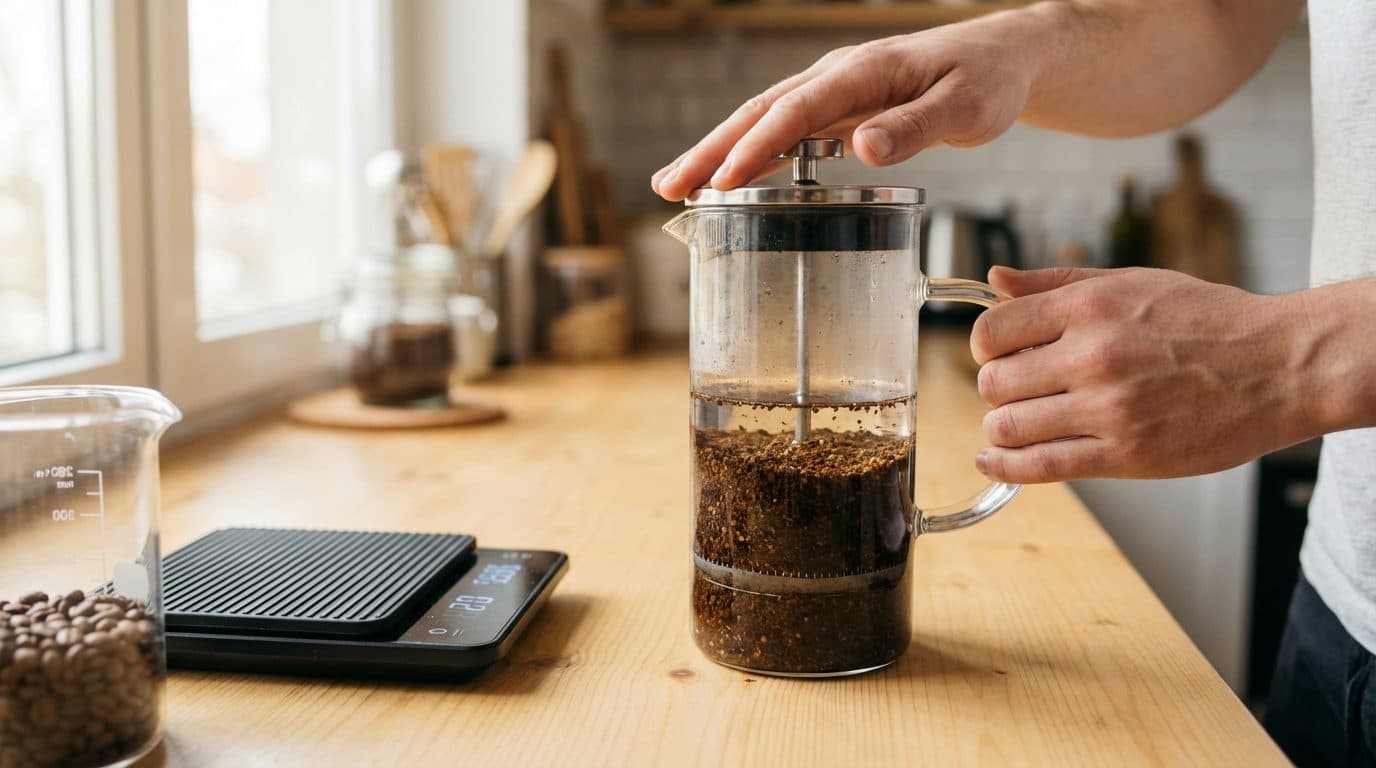
If you prefer a fuller-bodied cup, French press is an excellent choice for decaf. The immersion brewing method extracts oils and fine particles that paper filters would remove, resulting in a richer mouthfeel.
Use a coarse grind and steep for about 4 minutes. One common mistake is pressing too hard at the end, which can push bitter compounds into your cup. Press gently and pour immediately to avoid over-extraction.
AeroPress for Versatility
The AeroPress is a favorite among coffee enthusiasts for good reason—it’s forgiving, portable, and produces consistently good results. For decaf, the shorter brew time (1-2 minutes) and pressure-assisted extraction can bring out sweetness and reduce bitterness.
Experiment with the inverted method, which gives you more control over steep time. Start with a medium-fine grind and adjust based on taste. If your coffee tastes sour, grind finer or extend the brew time slightly. If it’s bitter, do the opposite.
Dialing In Your Decaf Brewing Ratio

Getting the coffee-to-water ratio right is one of the simplest ways to improve your decaf. Many people use the same ratio they would for regular coffee, but decaf sometimes benefits from slight adjustments.
A good starting point is 1:15 to 1:16 (one gram of coffee to 15-16 grams of water). If your decaf tastes weak or watery, try increasing the coffee dose to 1:14. If it’s too intense or bitter, back off to 1:17.
Here’s a simple example: for a standard 12-ounce cup (about 350ml), you’d use roughly 22-24 grams of coffee. Measure with a kitchen scale for consistency—eyeballing scoops leads to inconsistent results.
Keep notes on what works. Decaf beans from different origins and roasters behave differently, so what works for one bag might need tweaking for the next. After a few experiments, you’ll develop an intuition for what your particular beans need.
Common Mistakes to Avoid
Even with good beans and proper technique, a few common errors can sabotage your decaf coffee. Being aware of these pitfalls helps you troubleshoot when something doesn’t taste right.
- Using boiling water: Water that’s too hot extracts harsh, bitter compounds. Let your kettle rest for 30-60 seconds after boiling.
- Storing beans improperly: Keep your decaf in an airtight container away from light, heat, and moisture. The freezer is fine for long-term storage, but avoid repeatedly freezing and thawing.
- Neglecting your equipment: Old coffee oils build up in grinders, French presses, and drip machines. Clean your gear regularly to prevent rancid flavors from contaminating fresh brews.
- Rushing the process: Good coffee takes a few minutes. Cutting brew time short leads to under-extracted, sour coffee. Be patient.
A real-life scenario: imagine you’ve bought excellent Swiss Water decaf, ground it fresh, and used the right ratio—but your coffee still tastes off. Check your water. Tap water with high chlorine or mineral content can dramatically affect flavor. Filtered water often makes a noticeable improvement.
Frequently Asked Questions
Does decaf coffee have any caffeine at all?

Yes, decaf isn’t completely caffeine-free. Most decaf coffee contains about 2-15 milligrams of caffeine per cup, compared to 95-200 milligrams in regular coffee. For most people, this small amount doesn’t cause noticeable effects, but those with extreme caffeine sensitivity should be aware.
Can I use decaf beans in an espresso machine?
You can make excellent decaf espresso at home. Look for beans specifically roasted for espresso, as they’ll have the density and oil content needed for proper extraction. You may need to adjust your grind slightly finer than you would for regular espresso beans.
How long do decaf beans stay fresh?
Whole bean decaf stays fresh for about 2-4 weeks after roasting when stored properly. Ground decaf begins losing freshness within days. For the best flavor, buy smaller quantities more frequently rather than stocking up.
Why does my decaf taste sour?
Sour decaf usually indicates under-extraction. Try grinding finer, using hotter water, or extending your brew time. It could also mean your beans are too lightly roasted for your brewing method.
Is decaf coffee less acidic than regular coffee?
Decaf tends to be slightly less acidic than regular coffee, which is one reason it’s popular among people with acid reflux or sensitive stomachs. Choosing darker roasts and cold brew methods can reduce acidity even further.
Conclusion: Enjoying Great Decaf at Home
Brewing decaf coffee that actually tastes good comes down to a few key principles: start with fresh, quality beans processed through gentle decaffeination methods, use the right brewing technique for your taste preferences, and pay attention to variables like water temperature and ratio. Small adjustments make a big difference.
The next time someone tells you decaf can’t taste as good as regular coffee, you’ll know better. With a little care and attention, your evening cup can be just as satisfying as your morning one—minus the sleepless night. Start experimenting with the tips in this guide, and you might find that decaf becomes your new favorite way to enjoy coffee.

Comments