


Table of Contents
- Why Brew Coffee for a Crowd Without a Machine?
- Calculating How Much Coffee You'll Need
- Basic Coffee-to-Water Ratio
- Don't Forget the Extras
- The Best Methods to Brew Coffee for a Crowd
- Stovetop Pot Method
- Cold Brew Concentrate
- Pour-Over in Batches
- Cowboy Coffee
- Keeping Coffee Hot and Fresh for Your Guests
- Insulated Containers Are Your Best Friend
- Avoid These Common Mistakes
- Tips for Better-Tasting Large-Batch Coffee
- Frequently Asked Questions
- Can I brew coffee for a crowd the night before?
- What's the best grind size for large-batch brewing?
- How do I prevent grounds from getting into the final brew?
- What if I don't have any large pots or containers?
- How much should I budget for coffee at a large gathering?
- Summary and Your Next Steps
I learned this the hard way during a chaotic Thanksgiving dinner. I had 12 guests asking for coffee, and only one tiny French press that made two cups at a time. I was trapped in the kitchen for an hour brewing batch after batch while everyone else ate pie. Never again. We are going to look at three “no-machine” methods I completely swear by now when hosting a large group, so you actually get to enjoy your own party.
Expecting a group of friends for brunch or hosting a family gathering? One of the biggest challenges is figuring out how to brew coffee for a crowd at home without a machine. Most standard coffee makers produce only 10-12 cups at a time, leaving you scrambling to keep up with demand. The good news is that you don’t need expensive commercial equipment to serve fresh, delicious coffee to a large group.
In this guide, you’ll learn several practical methods to brew coffee for a crowd using simple tools you may already have in your kitchen. We’ll cover everything from choosing the right technique to calculating quantities, so you can focus on enjoying time with your guests instead of stressing over empty cups.
Why Brew Coffee for a Crowd Without a Machine?
There are plenty of situations where a traditional drip coffee maker just won’t cut it. Maybe you’re camping with a large group, hosting a backyard party, or your coffee maker simply broke down at the worst possible time. Learning to brew without a machine gives you flexibility and peace of mind.
Beyond convenience, brewing manually often produces better-tasting coffee. You have more control over water temperature, brewing time, and coffee-to-water ratios. Many coffee enthusiasts argue that these methods bring out richer flavors compared to automatic machines.
Here are some common scenarios where these skills come in handy:
- Holiday gatherings with extended family
- Outdoor events like camping trips or picnics
- Office meetings or workplace events without adequate coffee equipment
- Power outages when electric machines aren’t an option
- Budget-conscious hosting without investing in commercial equipment
Calculating How Much Coffee You’ll Need
Before diving into brewing methods, you need to figure out your quantities. Nothing ruins a gathering faster than running out of coffee halfway through. A good rule of thumb is to plan for each guest drinking 1.5 to 2 cups of coffee.
Basic Coffee-to-Water Ratio
The standard ratio for brewing coffee is approximately 1 gram of coffee per 15-17 grams of water. In more practical terms, that’s about 1 tablespoon of ground coffee per 6 ounces of water. For a crowd of 20 people expecting 2 cups each, you’ll need roughly 40 cups of coffee.
Here’s a quick reference chart:
- 10 guests: About 1 cup (8 oz) of ground coffee and 1.25 gallons of water
- 20 guests: About 2 cups of ground coffee and 2.5 gallons of water
- 30 guests: About 3 cups of ground coffee and 3.75 gallons of water
These estimates assume a medium-strength brew. Adjust upward if your crowd prefers stronger coffee or if you’re serving after dinner when guests typically want a bolder cup.
Don’t Forget the Extras
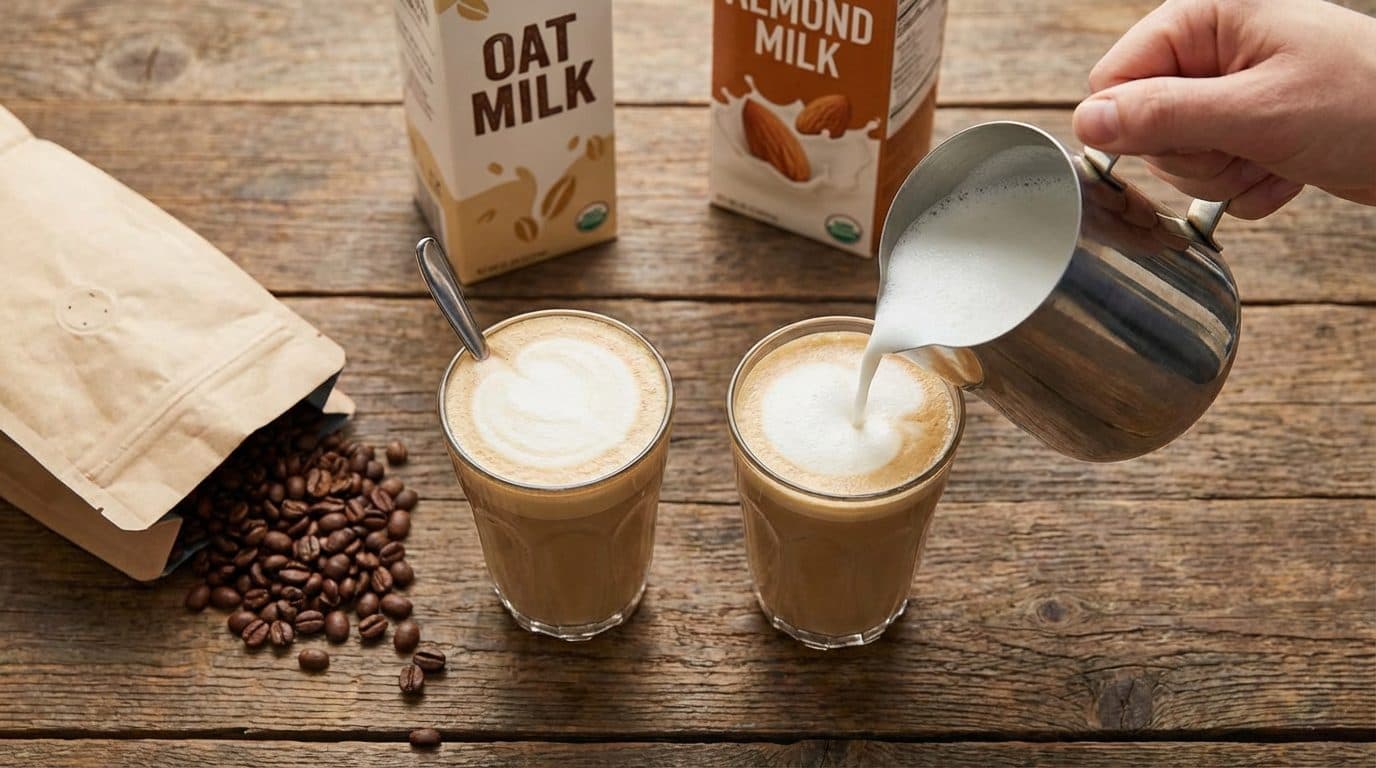
When brewing coffee for a crowd at home, remember to stock up on cream, milk alternatives, sugar, and sweeteners. A good estimate is about 2 tablespoons of creamer per cup for those who use it. Set up a simple station where guests can customize their drinks without creating a bottleneck.
The Best Methods to Brew Coffee for a Crowd
Now let’s explore the most effective techniques for making large batches of coffee without specialized equipment. Each method has its advantages depending on your situation, available tools, and how much coffee you need.
Stovetop Pot Method
This is one of the simplest ways to brew coffee for a crowd at home. All you need is a large stockpot, ground coffee, water, and a fine-mesh strainer or cheesecloth.
Here’s how to do it:
- Fill your largest pot with cold, filtered water and bring it to a boil
- Remove from heat and let it cool for about 30 seconds (ideal temperature is 195-205°F)
- Add your ground coffee directly to the water
- Stir gently and let it steep for 4-5 minutes
- Strain the coffee through cheesecloth or a fine-mesh sieve into a serving container
In short: this method works like a giant French press without the press mechanism. A 12-quart stockpot can produce around 40 cups of coffee in one batch. The key is straining carefully to avoid grounds in the final brew.
Imagine you’re hosting Thanksgiving dinner for 15 people. You wake up early, brew a large batch using your biggest pot, and transfer it to insulated carafes. By the time guests arrive, you have plenty of hot coffee ready without running your small coffee maker five times in a row.
Cold Brew Concentrate
If you can plan ahead, cold brew is an excellent option for serving a crowd. You make a strong concentrate the night before, then dilute it with water or milk when serving. This method eliminates the stress of brewing on the day of your event.
To make cold brew concentrate:
- Combine coarsely ground coffee with cold water at a 1:4 ratio (1 cup coffee to 4 cups water)
- Stir well and cover
- Refrigerate for 12-24 hours
- Strain through a coffee filter, cheesecloth, or fine-mesh strainer
- Store the concentrate in the refrigerator for up to two weeks
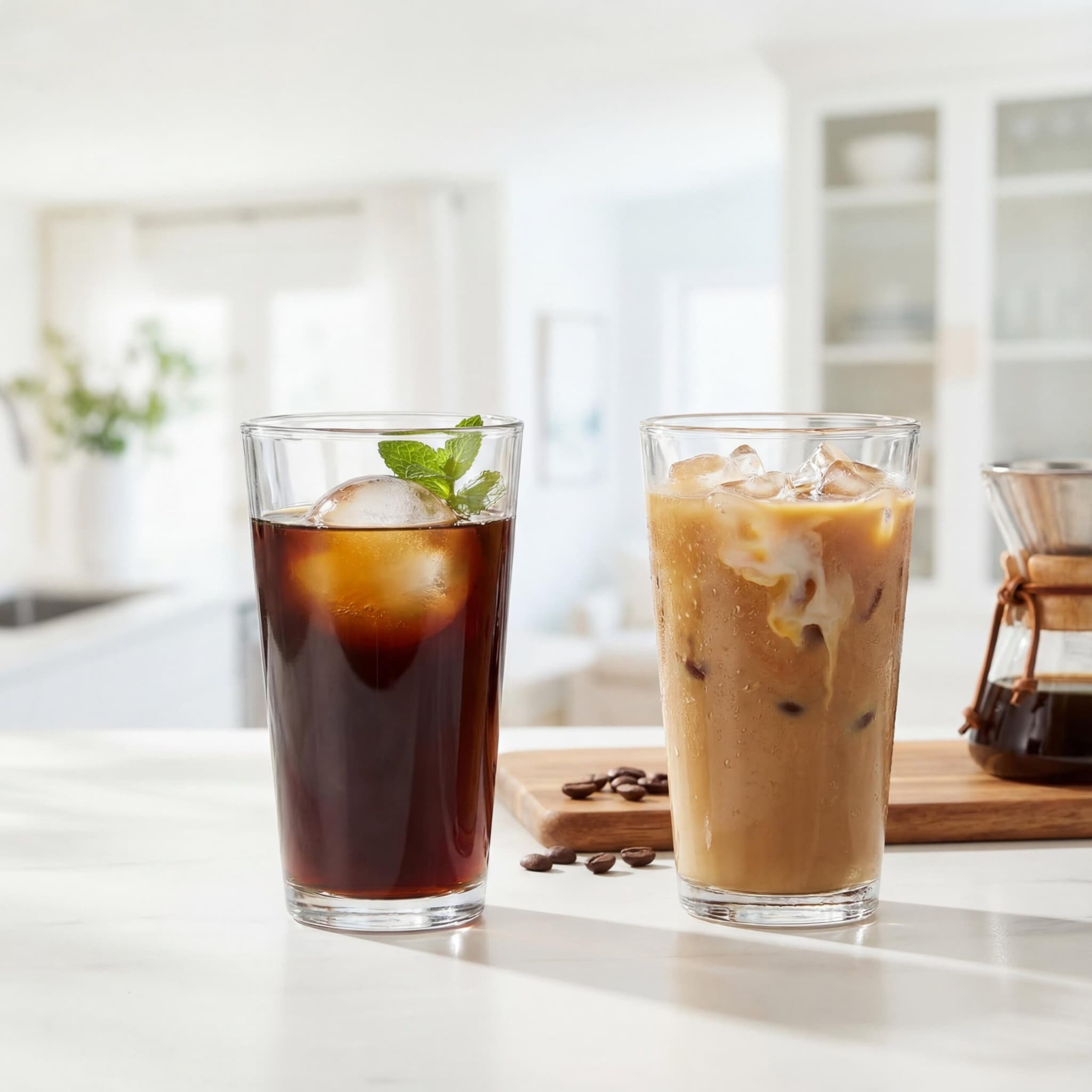
When serving, dilute the concentrate with equal parts water for a standard strength or adjust to taste. You can serve it over ice for iced coffee or heat it up for those who prefer a warm cup. This flexibility makes cold brew perfect for mixed crowds with different preferences.
Pour-Over in Batches
If you own a large pour-over dripper or can create a makeshift one using a colander lined with coffee filters, this method produces exceptionally clean-tasting coffee. It requires a bit more hands-on time but delivers superior flavor.
Set up your pour-over system over a large heatproof container or carafe. Boil water in a kettle or large pot, then pour slowly over the coffee grounds in circular motions. Work in batches if needed, keeping finished coffee warm in insulated containers.
This approach works well when quality matters more than speed. For example, if you’re hosting a small brunch for fellow coffee lovers, they’ll appreciate the extra effort and the cleaner taste profile compared to immersion methods.
Cowboy Coffee
Cowboy coffee is the most rustic approach and works wonderfully for outdoor gatherings or camping trips. It’s essentially a simplified version of the stovetop method with an old-fashioned twist.
- Bring water to a rolling boil in a large pot over a campfire or stove
- Remove from heat and add coffee grounds (slightly more than usual since some will remain in the pot)
- Let it steep for 2-4 minutes
- Sprinkle a small amount of cold water on top to help grounds settle
- Pour carefully, leaving the last inch or so in the pot to avoid grounds
The cold water trick sounds strange, but it genuinely helps settle the grounds to the bottom. Cowboys and campers have used this technique for generations. It won’t produce the cleanest cup, but it has a certain charm that fits perfectly around a campfire.
Keeping Coffee Hot and Fresh for Your Guests
Brewing a large batch is only half the challenge. Keeping that coffee hot and fresh throughout your event is equally important. Lukewarm or stale coffee will disappoint your guests no matter how well you brewed it initially.
Insulated Containers Are Your Best Friend
Invest in one or two large insulated airpot dispensers or thermal carafes. These containers keep coffee hot for 4-6 hours without burning it like a warming plate would. You can find affordable options at restaurant supply stores or online retailers.
If you don’t have thermal containers, a simple cooler works surprisingly well. Fill an ice chest with hot water first to warm the interior, dump it out, then add your coffee in a covered pot. The insulation will maintain temperature for a couple of hours.
Avoid These Common Mistakes
- Don’t keep coffee on direct heat: Leaving coffee on a burner makes it bitter and burnt within 20-30 minutes
- Don’t brew too far in advance: Coffee tastes best within the first hour after brewing
- Don’t forget to preheat containers: Pouring hot coffee into a cold carafe drops the temperature immediately
For longer events, consider brewing in two batches: one at the start and another a couple of hours in. This ensures everyone gets fresh coffee throughout the gathering.
Tips for Better-Tasting Large-Batch Coffee
Brewing for a crowd doesn’t mean sacrificing quality. With a few adjustments, you can serve coffee that rivals your favorite café.
Start with freshly roasted, quality beans. Pre-ground coffee from the grocery store loses flavor quickly after the package is opened. If possible, grind your beans the morning of your event using a coarse to medium grind depending on your method.
Water quality matters more than most people realize. If your tap water tastes off, it will affect your coffee. Use filtered water whenever possible, especially for large batches where any impurities become more concentrated.
Finally, taste as you go. Before serving to guests, sample your brew and adjust if needed. Too weak? Next batch, add more grounds or extend the steeping time. Too bitter? Shorten the steep or use slightly cooler water.
Frequently Asked Questions
Can I brew coffee for a crowd the night before?
Regular brewed coffee doesn’t hold up well overnight and will taste stale by morning. However, cold brew concentrate is the perfect make-ahead option. Prepare it 12-24 hours in advance and store it in the refrigerator. You can serve it cold or heat individual portions as needed.
What’s the best grind size for large-batch brewing?
For stovetop and cowboy methods, use a medium to coarse grind. Finer grinds will over-extract during the longer steep times these methods require, resulting in bitter coffee. They also make straining more difficult. For pour-over batches, a medium grind works best.
How do I prevent grounds from getting into the final brew?
Double-straining is the most reliable solution. First, pour through a fine-mesh sieve to catch the bulk of the grounds. Then strain a second time through a paper coffee filter or several layers of cheesecloth. Yes, it takes a few extra minutes, but nobody wants gritty coffee.
What if I don’t have any large pots or containers?
Get creative with what you have. A clean bucket lined with a food-safe bag can serve as a brewing vessel in a pinch. You can also brew multiple smaller batches using regular pots and combine them in a clean cooler for serving. Borrowing a large stockpot from a neighbor or friend is another easy solution.
How much should I budget for coffee at a large gathering?
For 20 guests, expect to use about half a pound to one pound of ground coffee, depending on strength preferences. At typical grocery store prices, that’s roughly $8-15. Buying from a local roaster might cost a bit more but delivers noticeably better flavor.
Summary and Your Next Steps
Brewing coffee for a crowd at home without a machine is easier than you might think. Whether you choose the stovetop method for its simplicity, cold brew for make-ahead convenience, or pour-over for superior taste, the key is proper planning and execution. Calculate your quantities in advance, gather your supplies, and don’t forget about keeping the finished coffee hot.
Start by picking the method that best fits your situation and practice it once before your event. That way, you’ll feel confident when the big day arrives. Your guests will appreciate the effort, and you’ll enjoy your gathering without being stuck in the kitchen refilling a tiny coffee maker all morning. Now it’s time to plan your menu and send out those invitations.

Comments