


Table of Contents
- Why Water Quality Matters When You Brew Coffee at Home
- How to Brew Coffee at Home With Tap Water: Step by Step
- Step 1: Let the Water Run First
- Step 2: Use Fresh Water Each Time
- Step 3: Get the Temperature Right
- Step 4: Match Your Grind to Your Method
- How to Test If Your Tap Water Is Good for Coffee
- The Simple Taste Test
- Check Your Local Water Report
- Use a TDS Meter
- When to Avoid Brewing Coffee With Tap Water
- Your Water Is Heavily Chlorinated
- You Have Very Hard Water
- You Have Very Soft Water
- Your Tap Water Has an Off Taste or Smell
- Simple Solutions for Improving Your Tap Water
- Activated Carbon Filters
- Water Filter Pitchers Designed for Coffee
- Mineral Drops or Packets
- Bottled Spring Water
- Frequently Asked Questions
- Can I use hot tap water to speed up brewing?
- Does boiling tap water remove chlorine?
- How often should I descale my coffee maker if I use tap water?
- Is filtered water always better than tap water for coffee?
- Why does my coffee taste different at different times of year?
- Conclusion: Making the Most of Your Home Brew
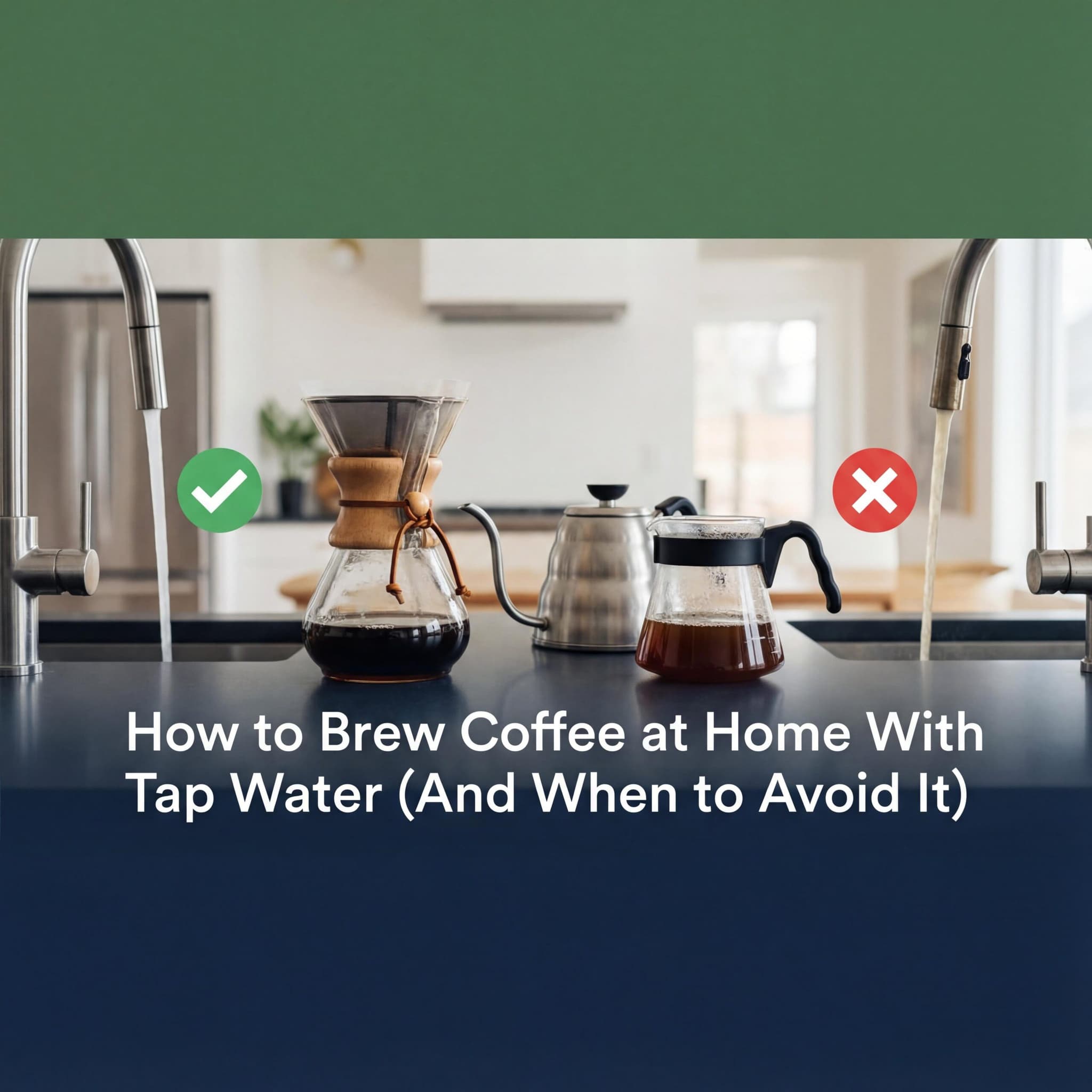
Did you know that a cup of coffee is about 98% water? That means the water you use has a massive impact on how your morning brew tastes. If you’ve been brewing coffee at home with tap water and wondering why it doesn’t taste quite like your favorite café’s pour, the answer might be flowing right from your faucet.
In this guide, you’ll learn exactly how to brew coffee at home with tap water, understand when tap water works perfectly fine, and discover the situations where you should definitely avoid it. Whether you’re a casual coffee drinker or someone looking to level up their home brewing game, understanding your water is a simple step that can make a big difference.
Why Water Quality Matters When You Brew Coffee at Home
Before diving into the how-to, let’s quickly cover why water deserves your attention. Coffee extraction depends on the minerals dissolved in water. These minerals—primarily calcium and magnesium—help pull the flavorful compounds from your coffee grounds. Too few minerals, and your coffee tastes flat and underwhelming. Too many, and you end up with a harsh, over-extracted cup.
The Specialty Coffee Association recommends water with a total dissolved solids (TDS) level between 75 and 250 parts per million (ppm) for optimal coffee brewing. In short, TDS measures how many minerals and other substances are dissolved in your water. Most tap water falls somewhere in this range, but not all tap water is created equal.
Here’s what can affect your tap water quality:
- Your geographic location and local water source
- The treatment methods used by your municipality
- The age and condition of your home’s plumbing
- Seasonal changes that affect water composition
How to Brew Coffee at Home With Tap Water: Step by Step
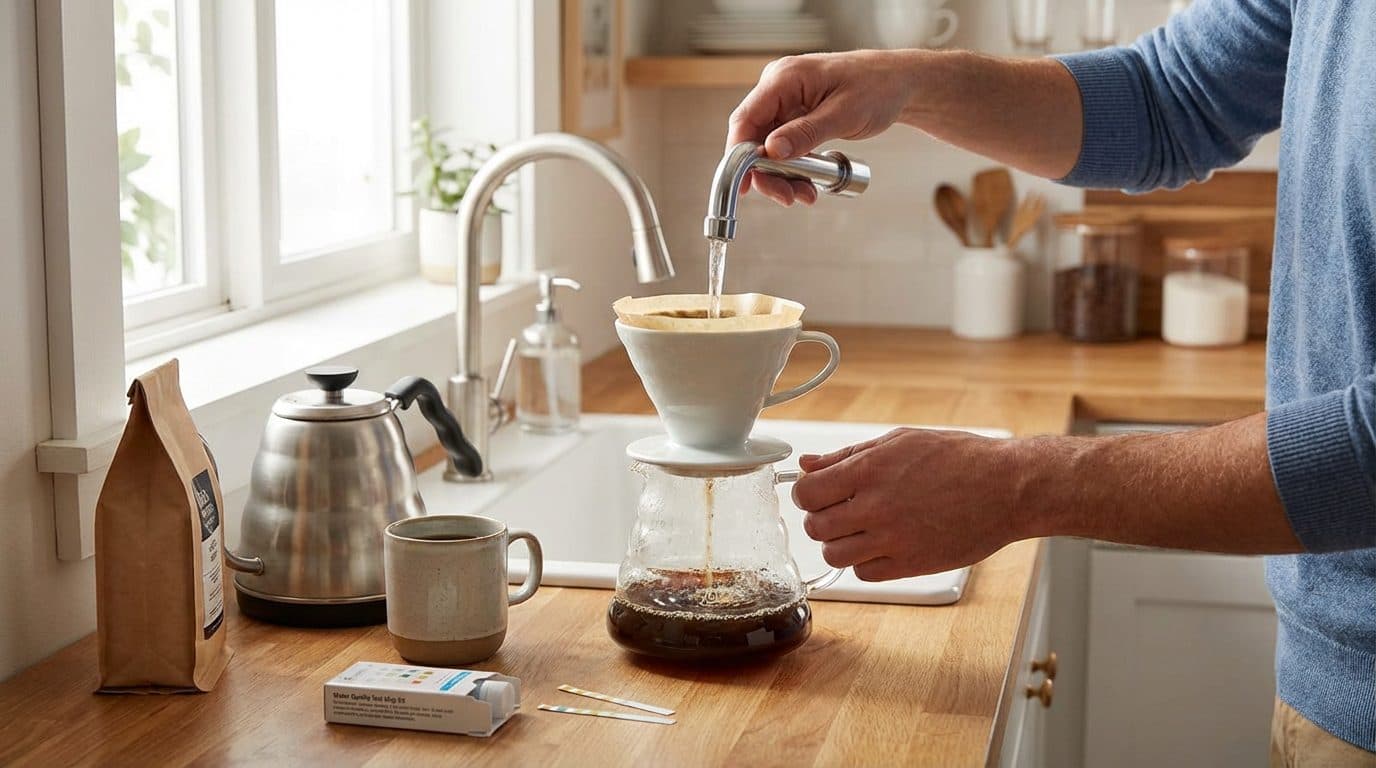
If you’ve determined that your tap water is suitable for brewing (more on that below), here’s how to get the best results using it for your daily coffee.
Step 1: Let the Water Run First
Before filling your kettle, let the cold tap run for about 10-15 seconds. This flushes out any water that’s been sitting in the pipes, which can pick up metallic flavors or contain higher concentrations of dissolved materials. Always use cold water rather than hot from the tap, as hot water can contain more sediment from your water heater.
Step 2: Use Fresh Water Each Time
Avoid reboiling water that’s been sitting in your kettle. When water is boiled repeatedly, oxygen escapes, and mineral concentrations can change. This might sound minor, but fresh water really does produce a livelier, more aromatic cup of coffee.
Step 3: Get the Temperature Right
For most brewing methods, aim for water between 195°F and 205°F (90°C to 96°C). If you don’t have a thermometer, bring your water to a boil and let it sit for 30-45 seconds before pouring. Water that’s too hot can over-extract your coffee, making it bitter. Water that’s too cool under-extracts, leaving you with a sour, weak brew.
Step 4: Match Your Grind to Your Method
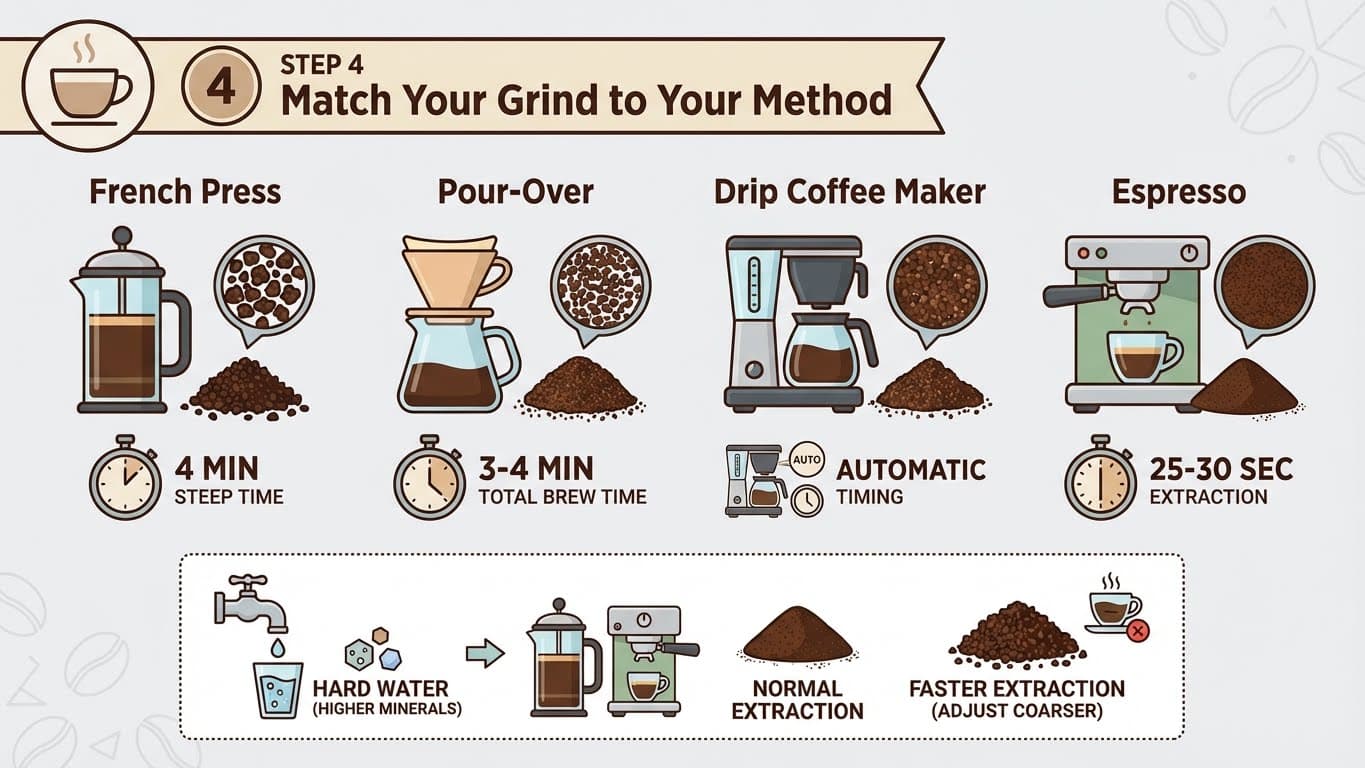
Your water quality works hand-in-hand with your grind size. Here’s a quick reference:
- French press: Coarse grind, 4-minute steep time
- Pour-over: Medium to medium-fine grind, 3-4 minute total brew time
- Drip coffee maker: Medium grind, automatic timing
- Espresso: Fine grind, 25-30 second extraction
If your tap water is on the harder side (higher mineral content), you might notice that extraction happens slightly faster. Adjust your grind a touch coarser if your coffee tastes bitter or over-extracted.
How to Test If Your Tap Water Is Good for Coffee
Not sure where your tap water stands? There are several ways to find out without needing a chemistry degree.
The Simple Taste Test
Fill a glass with cold tap water and take a sip. Does it taste clean and neutral? That’s a good sign. If you detect chlorine, sulfur, metallic notes, or any off-flavors, those will transfer directly into your coffee. Imagine brewing with water that already has a swimming pool aftertaste—not ideal.
Check Your Local Water Report
Most municipalities publish annual water quality reports, often called Consumer Confidence Reports. You can usually find these on your city’s water department website. Look for TDS levels, hardness, and chlorine content. If TDS falls between 75-250 ppm and hardness is moderate, you’re in good shape.
Use a TDS Meter
For about $10-20, you can buy a simple TDS meter online. Just dip it in your water, and it gives you an instant reading. This small investment can save you a lot of guesswork, especially if you’re serious about improving your home brew.
Here’s a practical example: Sarah from Phoenix tested her tap water and found it had a TDS of 450 ppm—nearly double the recommended maximum. After switching to filtered water, she noticed her coffee was less bitter and had more nuanced flavors she’d never tasted before.
When to Avoid Brewing Coffee With Tap Water
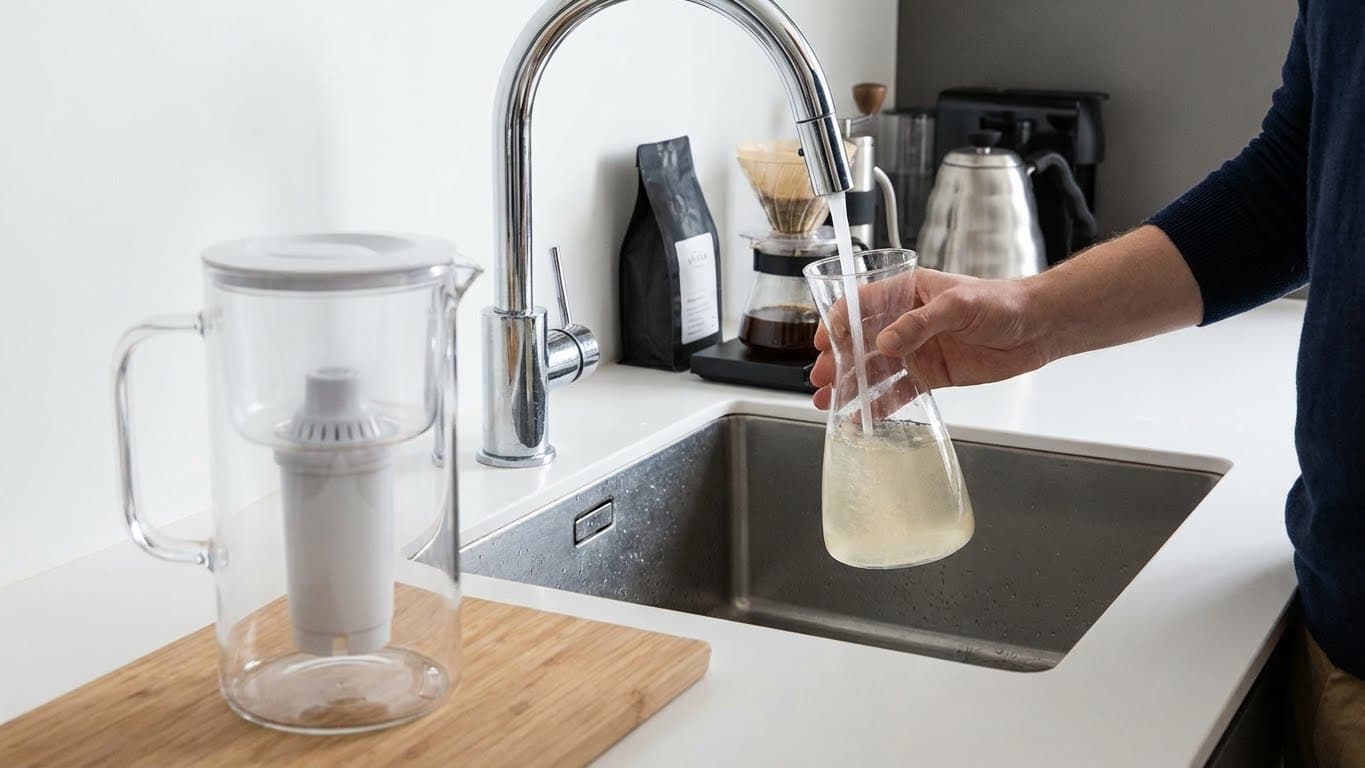
While tap water works fine for many home brewers, there are specific situations where you should consider alternatives.
Your Water Is Heavily Chlorinated
Chlorine is added to municipal water supplies to kill bacteria, which is great for safety but not so great for coffee. High chlorine levels can give your brew a chemical taste and interfere with the delicate aromatic compounds in coffee. If your water smells like a pool, it’s time to filter or find another source.
Quick fix: Fill a pitcher with tap water and let it sit uncovered for a few hours. Much of the chlorine will naturally dissipate. Alternatively, a simple carbon filter (like those in Brita pitchers) removes most chlorine effectively.
You Have Very Hard Water
Hard water contains high levels of calcium and magnesium. While some minerals are good for extraction, too much causes problems. Signs of hard water include:
- White, chalky buildup on your kettle or coffee maker
- Coffee that tastes dull or flat despite using quality beans
- Difficulty getting a good extraction regardless of brew time
Hard water also leads to scale buildup in your equipment, which can damage heating elements and clog water lines over time. If you notice heavy scaling, you might want to descale your equipment regularly or switch to softer water for brewing.
You Have Very Soft Water
On the flip side, water that’s too soft (very low mineral content) doesn’t extract coffee efficiently. If you have a water softener at home, the treated water might be too low in beneficial minerals. You could end up with coffee that tastes weak, sour, or just missing something.
In this case, consider using a bypass valve to access unsoftened water for cooking and brewing, or add mineral drops designed for coffee brewing.
Your Tap Water Has an Off Taste or Smell
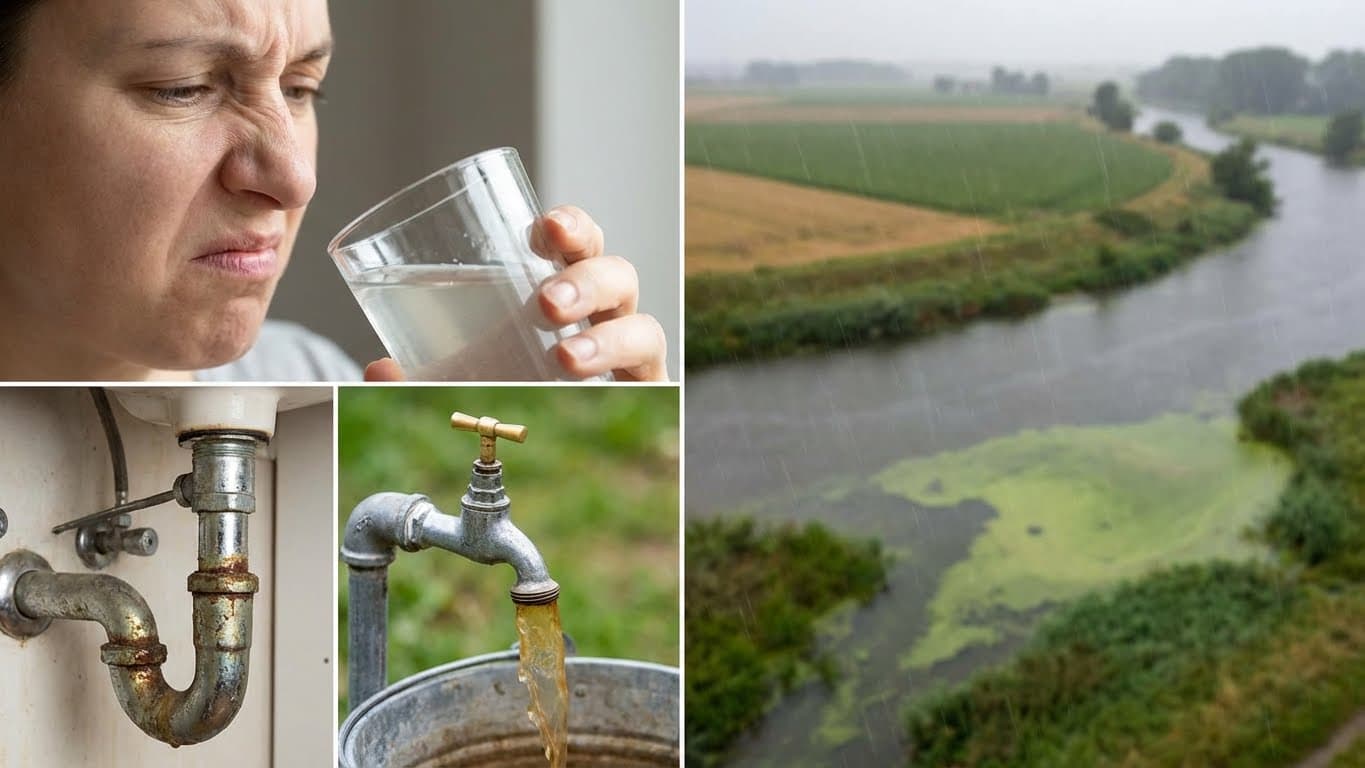
Trust your senses. If your water tastes metallic, earthy, or just “off,” don’t use it for coffee. Old pipes, contamination issues, or seasonal changes in your water source can all affect flavor. In some areas, agricultural runoff or algae blooms cause temporary water quality issues that you can actually taste.
Simple Solutions for Improving Your Tap Water
If your tap water isn’t ideal, you don’t necessarily need to buy expensive bottled water. Here are some practical solutions.
Activated Carbon Filters
The most common and affordable option. Pitcher filters, faucet-mounted filters, and refrigerator filters all use activated carbon to remove chlorine, some organic compounds, and improve taste. They won’t change mineral content significantly, which is fine if your water hardness is already in a good range.
Water Filter Pitchers Designed for Coffee
Some companies make pitchers specifically formulated for coffee brewing. These often include a remineralization stage that adds back the optimal minerals after filtering. Brands like Peak Water and Third Wave Water cater specifically to coffee enthusiasts.
Mineral Drops or Packets
If you prefer using distilled or reverse osmosis water (which has almost no minerals), you can add mineral packets designed for coffee. These give you complete control over your water composition, which is great for experimenting and finding your perfect cup.
Bottled Spring Water
As a backup option, bottled spring water typically has a balanced mineral profile suitable for coffee. Check the label for TDS—you want something in that 75-250 ppm sweet spot. Avoid distilled or “purified” water unless you’re adding minerals back in.
Frequently Asked Questions
Can I use hot tap water to speed up brewing?
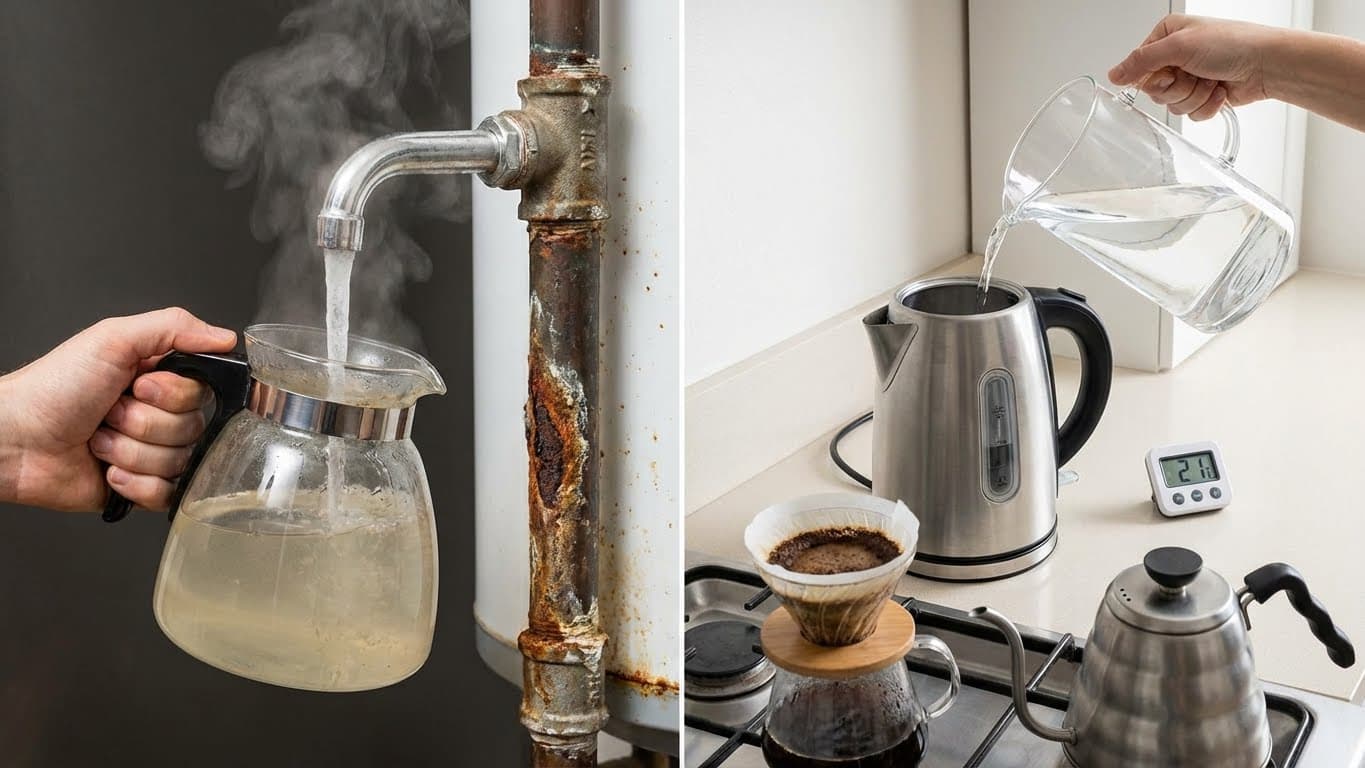
It’s best to avoid hot tap water. Water from the hot tap can contain more dissolved metals from your water heater and pipes. Always start with fresh cold water and heat it separately for the best-tasting coffee.
Does boiling tap water remove chlorine?
Yes, boiling water for a few minutes will cause most chlorine to evaporate. However, this won’t remove chloramine, which some municipalities use instead of chlorine. If your water contains chloramine, you’ll need a carbon filter to remove it effectively.
How often should I descale my coffee maker if I use tap water?
This depends on your water hardness. With moderately hard water, descale every 1-3 months. If you have hard water, monthly descaling may be necessary. Soft water users might only need to descale every 4-6 months. Watch for slow brewing times or white residue as signs it’s time to descale.
Is filtered water always better than tap water for coffee?
Not necessarily. If your tap water is already clean-tasting with moderate mineral content, filtering may not improve your coffee much. In fact, over-filtering can remove beneficial minerals. Test your tap water first before investing in filtration systems.
Why does my coffee taste different at different times of year?
Municipal water sources can change seasonally. Reservoirs, rivers, and lakes have different compositions throughout the year based on rainfall, temperature, and treatment adjustments. This can subtly affect your coffee. If you notice seasonal changes, consider using filtered or bottled water during those periods.
Conclusion: Making the Most of Your Home Brew
Learning how to brew coffee at home with tap water doesn’t require expensive equipment or complicated procedures. For many people, tap water works just fine—especially if you let it run briefly, use it fresh, and pay attention to temperature. The key is knowing your water and recognizing when it might be holding your coffee back.
Take a few minutes to taste your tap water and check your local water report. If everything looks good, brew with confidence. If you spot some issues—heavy chlorination, extreme hardness, or off-flavors—simple solutions like a carbon filter or mineral packets can make a noticeable difference. By paying attention to this often-overlooked ingredient, you’re already one step closer to a better cup of coffee every morning.



Comments