


Table of Contents
- Paper vs Reusable Filters at a Glance
- What Changes in the Cup?
- A Fair Side-by-Side Test
- Paper Filter Advantages and Tradeoffs
- Reusable Metal Filter Advantages and Tradeoffs
- How to Brew With a Reusable Filter
- Cleaning a Metal or Cloth Filter
- Which Choice Creates Less Waste?
- Who Should Choose Which Filter?
- Choose paper if:
- Choose reusable metal if:
- Choose cloth if:
- Frequently Asked Questions
- Can I put paper inside a metal basket?
- Why did my coffee become bitter after switching to metal?
- Why is there sediment in the cup?
- Do I need a new recipe for a reusable filter?
- Bottom Line
Paper filters make a cleaner, lighter-bodied cup; reusable metal filters make a fuller cup with more oils and fine particles. Cloth sits between the two. The best choice is not universal. It depends on the brewer you own, the texture you prefer, how much cleanup you accept, and whether you will actually keep using and maintaining a reusable filter.
For most people, taste is the best place to start. Brew the same coffee at the same ratio with each filter and compare the cups side by side. Do not change the grind, dose, or water at the same time. That simple test tells you more than a generic claim that one filter is always better.
Paper vs Reusable Filters at a Glance
| Filter | Cup profile | Cleanup | Ongoing need | Best fit |
|---|---|---|---|---|
| Paper | Clear, light to medium body, very little sediment | Lift out and discard or compost where accepted | Buy filters that match the brewer | Drinkers who value clarity and simple cleanup |
| Metal | Fuller body, more oils, some fine sediment | Empty, rinse, and periodically deep-clean | Replace only if damaged or clogged | Drinkers who value body and want a reusable option |
| Cloth | Clearer than metal, fuller than paper | Rinse thoroughly, store correctly, and replace when worn | Needs more care than metal | Drinkers willing to maintain it carefully |
What Changes in the Cup?
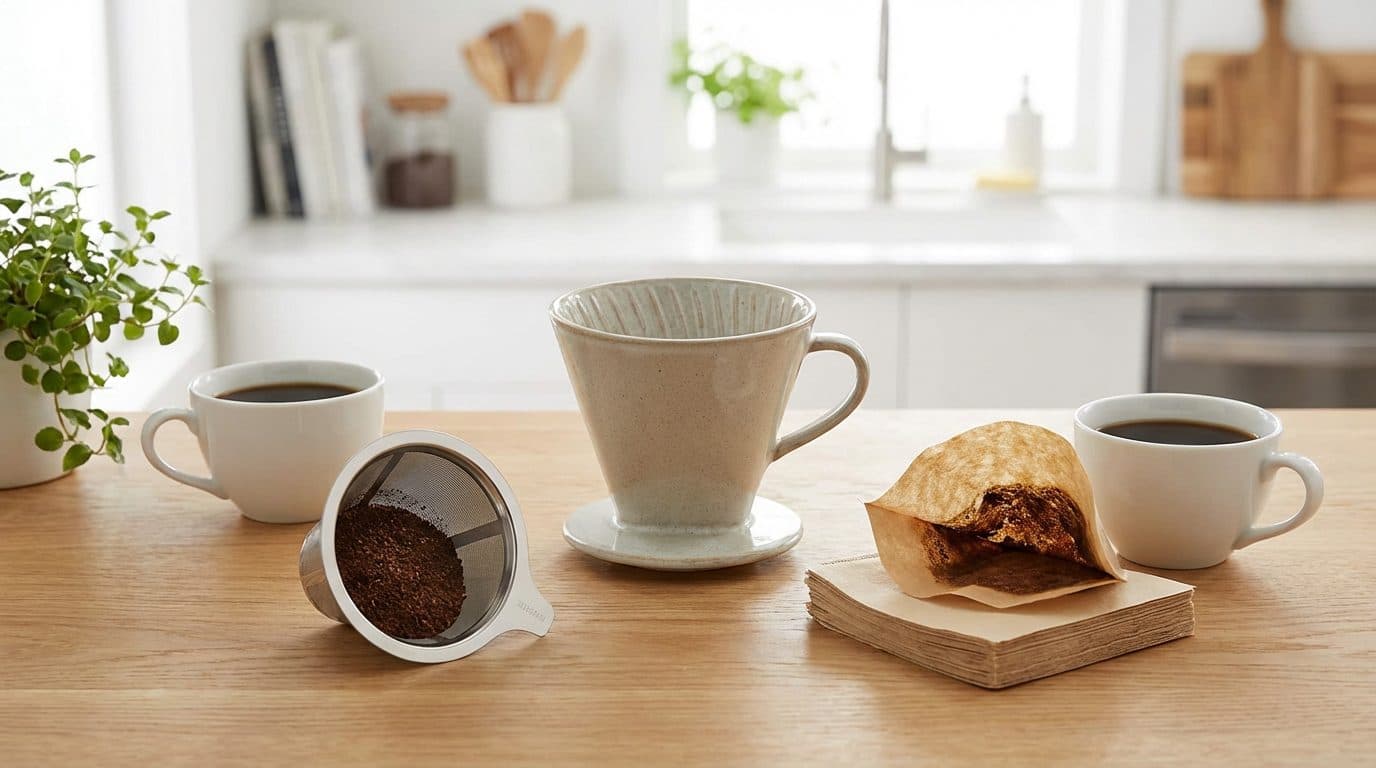
Filter material changes which oils and small particles reach the carafe. Paper catches more of both, so flavor notes can seem easier to separate and the finish usually feels cleaner. Metal mesh lets more through, producing more body and sometimes a small layer of sediment. Cloth can retain fine particles while allowing more oils than paper.
None of those results is automatically superior. A bright light roast may be easier to read through paper. A chocolate-forward medium or dark roast may suit the texture of a metal filter. If your reusable-filter cup tastes muddy, first check the grind and the condition of the mesh rather than assuming the coffee is bad.
A Fair Side-by-Side Test
- Use one coffee, one water source, and one brewer.
- Start with 30 grams of coffee and 500 grams of water, a 1:16.7 ratio.
- Use a medium grind and keep the setting unchanged for the first comparison.
- Rinse the paper filter if its manufacturer recommends it. Preheat both setups.
- Brew each batch with the same water temperature and timing.
- Let both cups cool for a few minutes, then compare clarity, body, bitterness, and sediment.
If the metal-filter brew drains too slowly or tastes dry and harsh, make the grind slightly coarser. If it runs quickly and tastes thin or sharp, move slightly finer. Change only one setting at a time.
Paper Filter Advantages and Tradeoffs
- Clear cup: Paper removes most visible fine particles and produces very little sediment.
- Simple cleanup: Grounds and filter lift out together.
- Predictable fit: The correct cone or basket size supports an even coffee bed.
- Recurring purchase: You need the correct filters on hand for every brew.
- Possible paper taste: A rinse can help, especially with thicker or unbleached filters.
A white filter is not automatically better than a brown filter, and a brown filter is not automatically the more responsible purchase. Buy the correct size from a consistent manufacturer, follow its disposal guidance, and check what your local composting service accepts.
Reusable Metal Filter Advantages and Tradeoffs
- Fuller texture: More oils and tiny particles reach the cup.
- No paper inventory: One filter can serve many brews when cared for properly.
- More cleanup: Grounds must be emptied and the mesh rinsed after use.
- Fine sediment: Some particles may pass through, especially with an uneven or very fine grind.
- Maintenance matters: Coffee oil and fine grounds can clog mesh and change flow over time.
How to Brew With a Reusable Filter
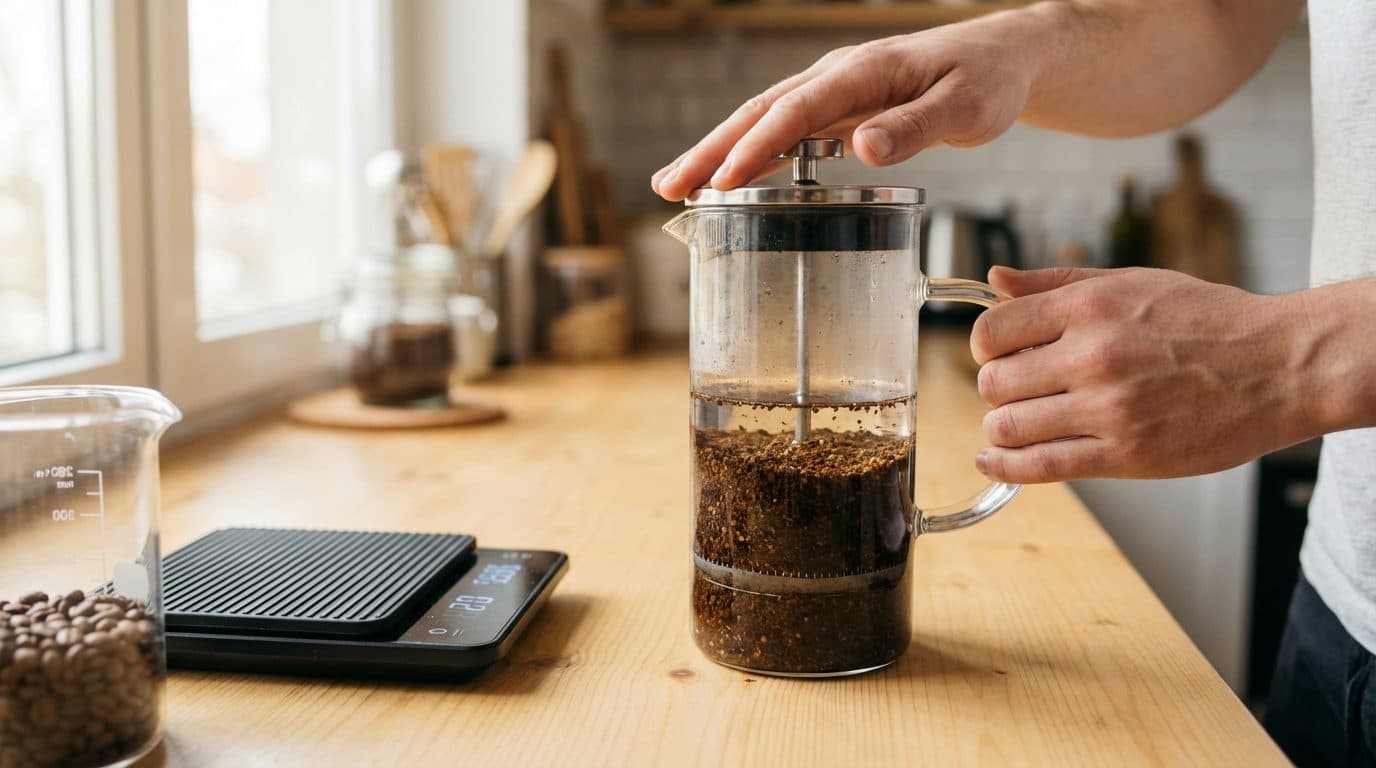
Start with the same ratio you use for paper, then adjust the grind after tasting. Seat the filter flat, add evenly ground coffee, and avoid overfilling the basket. If water pools for too long, use a slightly coarser grind and confirm that the mesh is clean. If water races through, grind slightly finer.
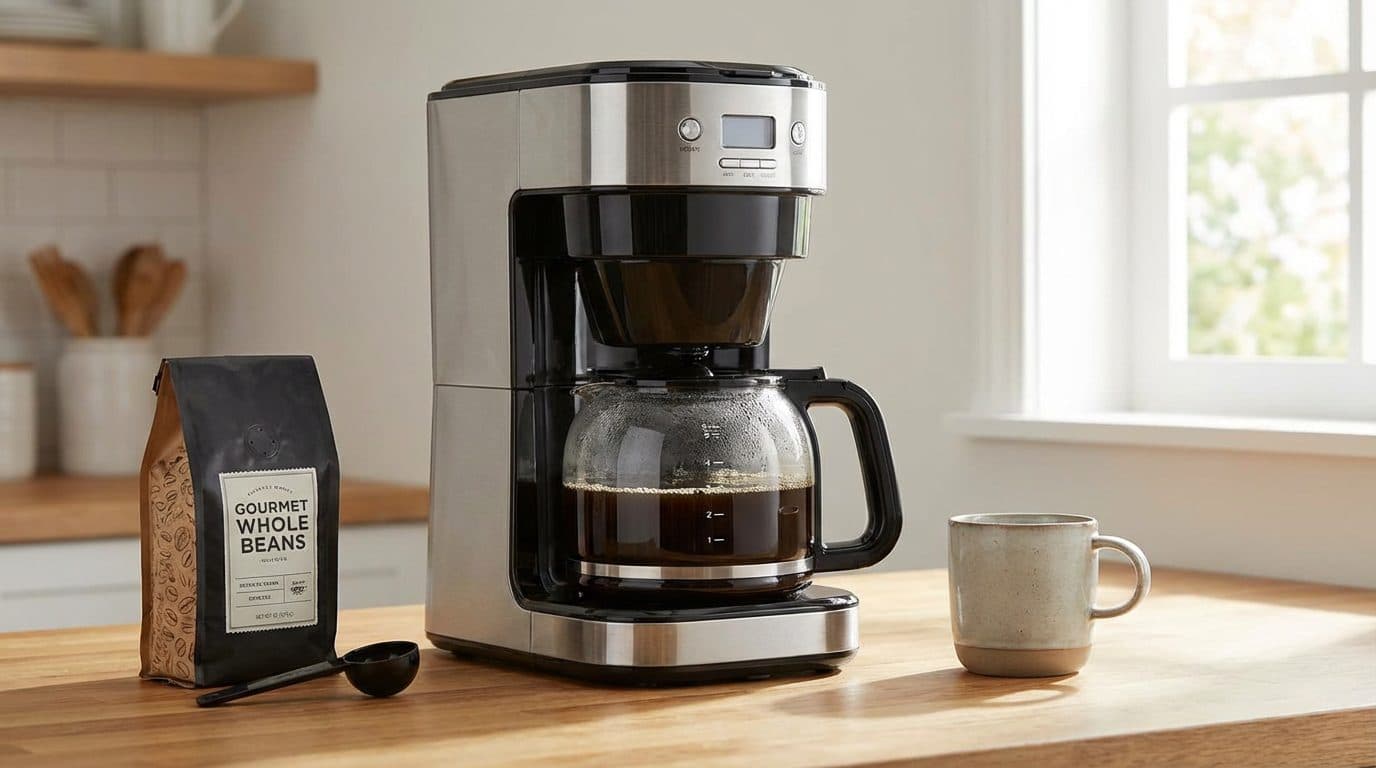
For an automatic drip machine, check the manual before replacing the supplied basket or filter. Some brewers are designed around a particular flow rate. A filter that drains too slowly can cause the basket to overflow.
Cleaning a Metal or Cloth Filter
Empty the grounds as soon as the filter is cool enough to handle, then rinse from both sides with warm water. Let a metal filter dry fully before storage. If flow slows down, use the cleaning method approved by the filter manufacturer; aggressive brushes can damage fine mesh.
Cloth needs stricter care because damp coffee residue can develop odors. Rinse until the water runs clear, follow the maker’s storage instructions, and replace the cloth when stains, odors, or slow flow remain after cleaning.
Which Choice Creates Less Waste?
There is no honest one-line answer without knowing how the product is made, transported, washed, used, and discarded. Paper is single-use, but the filter and grounds may be accepted by some composting systems. A reusable filter requires materials and manufacturing up front, but spreads that impact across many uses only when it is kept for a long time.
The practical rule is simple: use what you already own well. Do not replace a working reusable filter just to buy a different reusable filter. Do not buy a permanent filter if you dislike its cup profile and will stop using it. If you choose paper, buy the correct size, avoid unnecessary packaging where practical, and follow local waste guidance.
Who Should Choose Which Filter?
Choose paper if:
- You want a clean cup with almost no sediment.
- You brew coffees where flavor separation matters more than heavy body.
- You value fast cleanup and do not mind keeping filters in stock.
Choose reusable metal if:
- You prefer more body and do not mind a little sediment.
- You will rinse the filter after every brew and deep-clean it when flow changes.
- Your brewer is compatible with the filter’s shape and flow rate.
Choose cloth if:
- You want a middle ground between paper clarity and metal body.
- You are comfortable with careful rinsing, storage, and replacement.
Frequently Asked Questions
Can I put paper inside a metal basket?
Only if the brewer and basket are designed for it. A poor fit can fold, slow drainage, or cause overflow. Check the brewer manual first.
Why did my coffee become bitter after switching to metal?
The mesh may be slowing the brew, the grind may be too fine, or old oils may be restricting flow. Clean the filter and try one slightly coarser grind setting.
Why is there sediment in the cup?
Metal openings are larger than paper pores, so some fine particles pass through. A consistent burr grind and a slightly coarser setting can reduce sediment.
Do I need a new recipe for a reusable filter?
Start with the same coffee-to-water ratio. Adjust grind first, then dose only if the cup still needs more or less strength.
Bottom Line
Choose paper for clarity and easy cleanup. Choose metal for body and long-term reuse. Choose cloth only if its extra care fits your routine. The strongest decision is the one supported by a controlled side-by-side brew in your own equipment, followed by consistent maintenance.

Comments