


Table of Contents
- Why Brewing Coffee at Home Saves You Money
- Choosing the Right Equipment Without Overspending
- Budget-Friendly Brewing Methods
- What About Drip Coffee Makers?
- Selecting Coffee Beans That Balance Quality and Cost
- Where to Buy Beans
- Whole Beans vs. Pre-Ground
- Simple Techniques to Improve Your Home Brew
- Use the Right Water Temperature
- Measure Your Coffee and Water
- Don't Neglect Freshness
- Daily Habits That Maximize Your Savings
- Batch Brew When It Makes Sense
- Track Your Spending
- Prep the Night Before
- Make Your Own Specialty Drinks
- Frequently Asked Questions
- How much can I realistically save by brewing coffee at home?
- What's the cheapest way to brew coffee at home?
- Is instant coffee a good budget option?
- How long does it take to brew coffee at home?
- Do I need a coffee grinder?
- Summary and Your Next Step
Do you ever calculate how much you spend on coffee each month? If you’re grabbing a latte or cappuccino from a café every day, that number can easily climb to $100 or more. The good news is that learning how to brew coffee at home can slash that expense dramatically—often by 70% or more—while still giving you a delicious cup every morning.
In this guide, you’ll discover practical methods to brew coffee at home while saving money each month. We’ll cover equipment choices, bean selection, brewing techniques, and small habits that add up to big savings over time.
Why Brewing Coffee at Home Saves You Money
Let’s start with some simple math. A medium coffee at most cafés costs between $3 and $6. If you buy one every weekday, that’s $60 to $120 per month—just on basic coffee. Specialty drinks push that number even higher.
When you brew coffee at home, a single cup costs roughly $0.20 to $0.50, depending on the beans you choose. Even if you invest in quality equipment upfront, you’ll typically break even within a few weeks. After that, every cup represents pure savings.
Beyond the financial benefits, home brewing gives you complete control over flavor, strength, and freshness. You’re not stuck with whatever the barista made that morning. You get exactly what you want, every single time.
Choosing the Right Equipment Without Overspending
One common mistake beginners make is thinking they need expensive gear to brew good coffee. That’s simply not true. Some of the best brewing methods are also the most affordable.
Budget-Friendly Brewing Methods
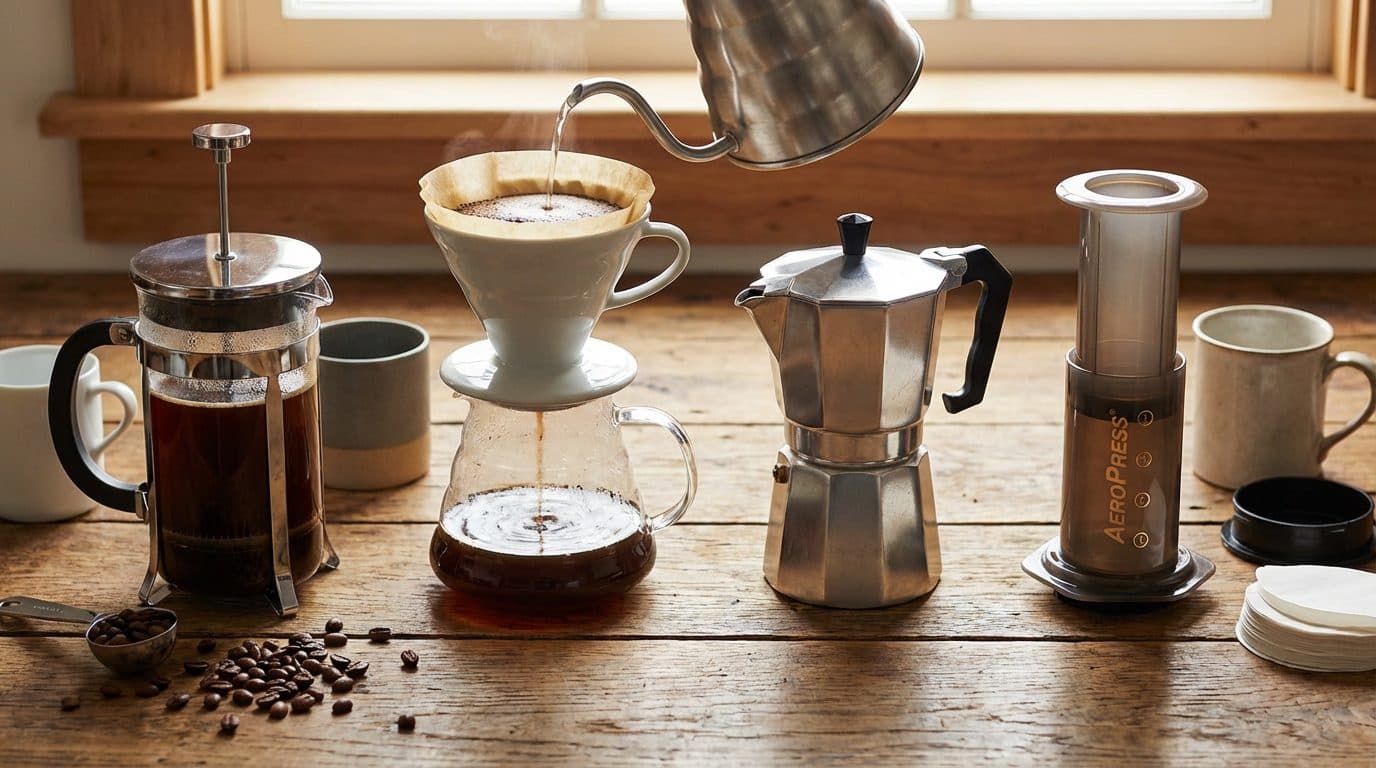
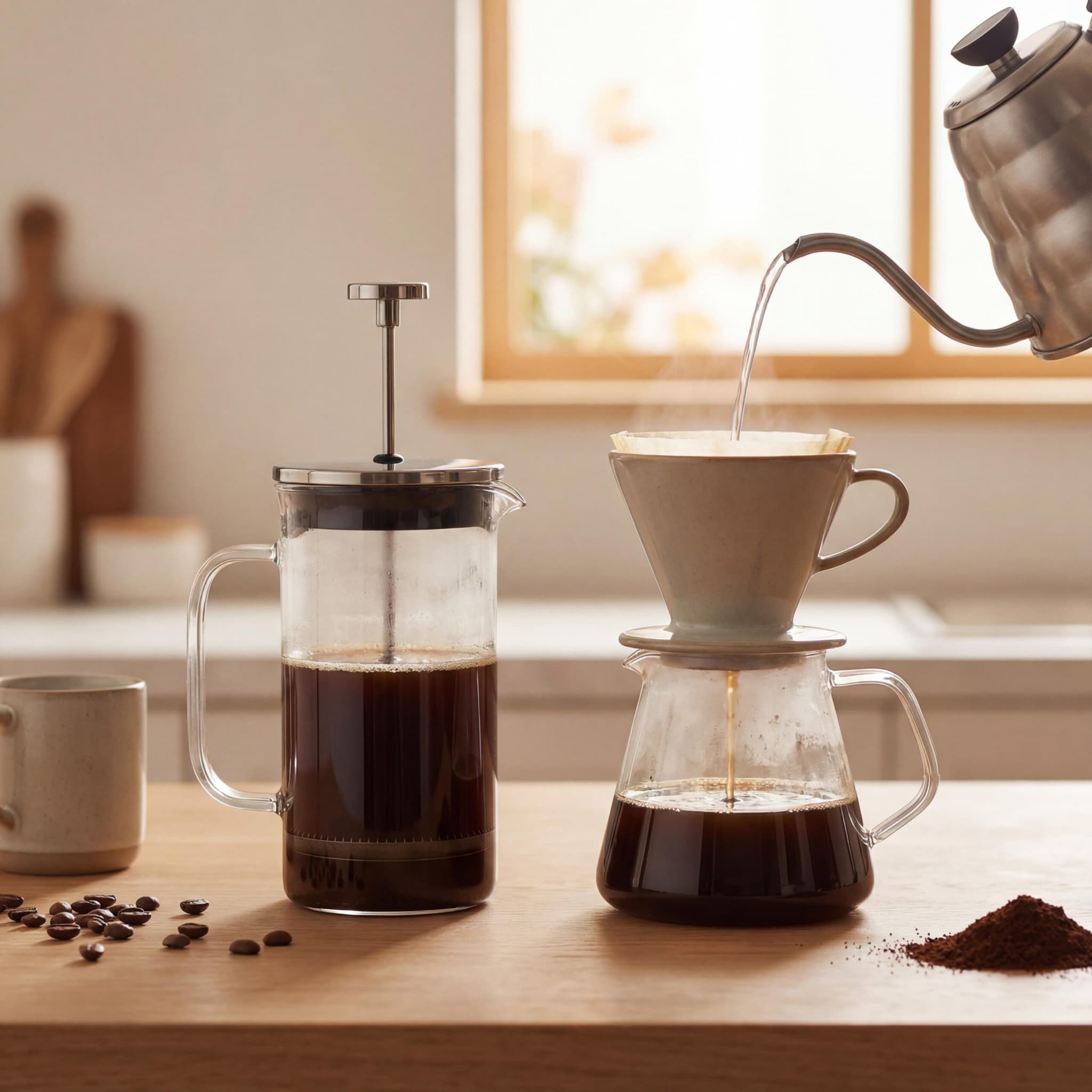
- French Press: Costs around $15-30 and produces rich, full-bodied coffee. No filters needed, so ongoing costs stay low.
- Pour-Over (like a Hario V60 or Melitta): The dripper itself costs $10-25. You’ll need paper filters, but a pack of 100 costs just a few dollars.
- Moka Pot: A stovetop option that makes espresso-style coffee for $20-40. Great if you love stronger brews.
- AeroPress: Around $30-40, extremely versatile, and nearly indestructible. A favorite among budget-conscious coffee lovers.
What About Drip Coffee Makers?
A basic drip machine works perfectly fine and can be found for $20-50. If you’re brewing for multiple people or want convenience, this is a solid choice. Just avoid the temptation to buy fancy pod machines—those single-use capsules cost significantly more per cup than ground coffee.
In short: start simple. You can always upgrade later once you know what brewing style you prefer.
Selecting Coffee Beans That Balance Quality and Cost
Your beans matter more than your equipment. A $15 French press with great beans will outperform a $200 machine with stale, low-quality coffee every time.
Where to Buy Beans
- Local roasters: Often fresher than supermarket options and competitively priced. Many offer discounts for bulk purchases.
- Wholesale clubs: Places like Costco sell quality whole beans at lower per-pound prices.
- Online subscriptions: Some roasters offer subscription discounts of 10-20%. You get fresh beans delivered regularly without paying full retail.
Whole Beans vs. Pre-Ground
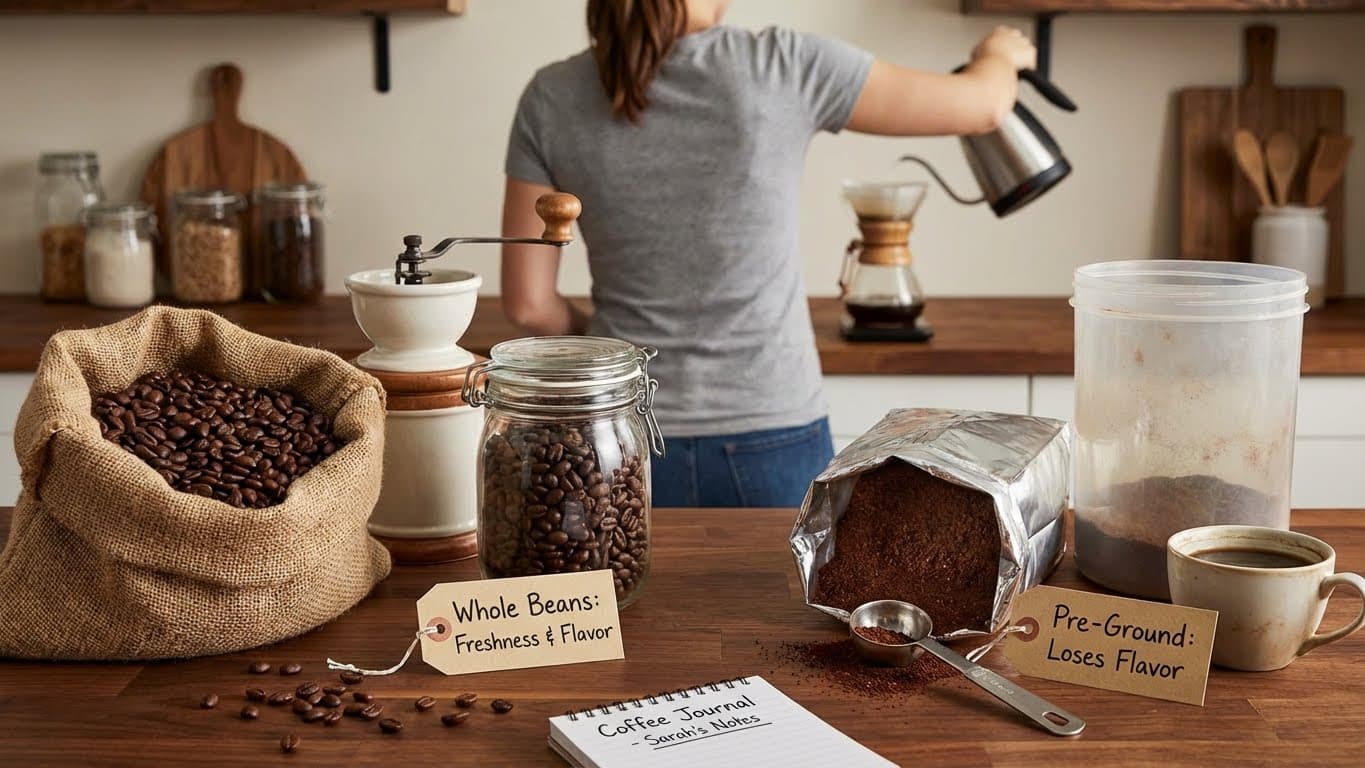
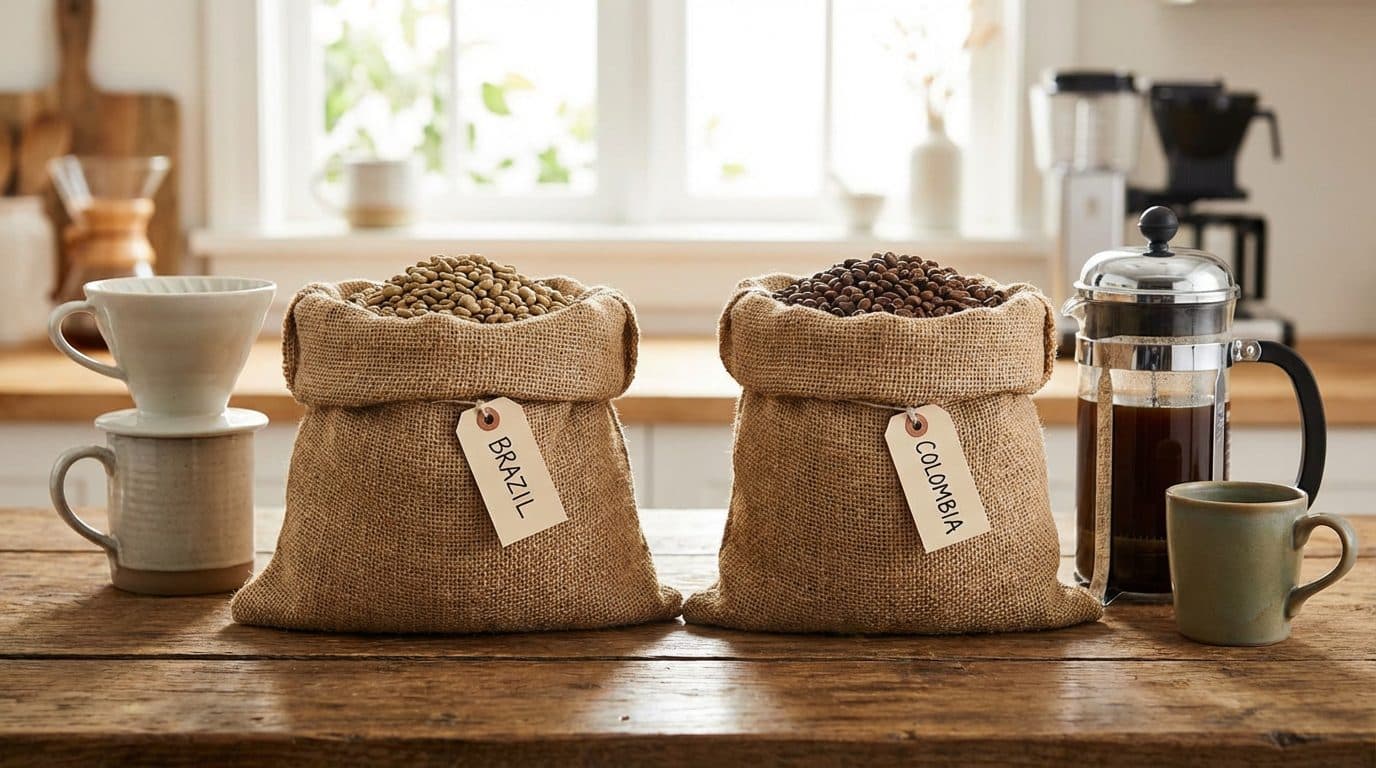
Whole beans stay fresh longer and taste better. Pre-ground coffee starts losing flavor within days of opening. If you don’t own a grinder, consider a hand grinder—they cost $20-40 and last for years.
Here’s a real-life example: Sarah used to buy pre-ground coffee from the supermarket for $8 per bag. She switched to whole beans from a local roaster at $12 per bag. Even though the beans cost more upfront, they lasted longer because she wasn’t throwing away stale coffee. Her monthly spending actually dropped, and her coffee tasted noticeably better.
Simple Techniques to Improve Your Home Brew
You don’t need barista training to make excellent coffee. A few basic techniques make a huge difference.
Use the Right Water Temperature
Water that’s too hot burns the coffee; too cold and it under-extracts. Aim for 195-205°F (90-96°C). If you don’t have a thermometer, let boiling water sit for 30-60 seconds before pouring.
Measure Your Coffee and Water
Consistency is key. A general starting ratio is 1:15—one gram of coffee for every 15 grams of water. If you don’t have a scale, use roughly two tablespoons of coffee per six ounces of water and adjust to taste.
Don’t Neglect Freshness
- Buy beans roasted within the last 2-4 weeks when possible.
- Store beans in an airtight container away from light and heat.
- Grind just before brewing for maximum flavor.
To sum up: good water, proper ratios, and fresh beans will elevate your home coffee more than any expensive gadget.
Daily Habits That Maximize Your Savings
Brewing at home is the foundation, but small habits compound your savings over time.
Batch Brew When It Makes Sense
If you drink multiple cups, brew a larger batch in the morning. This saves time and ensures you’re not tempted to grab coffee outside. Store extra in a thermal carafe to keep it warm without burning.
Track Your Spending
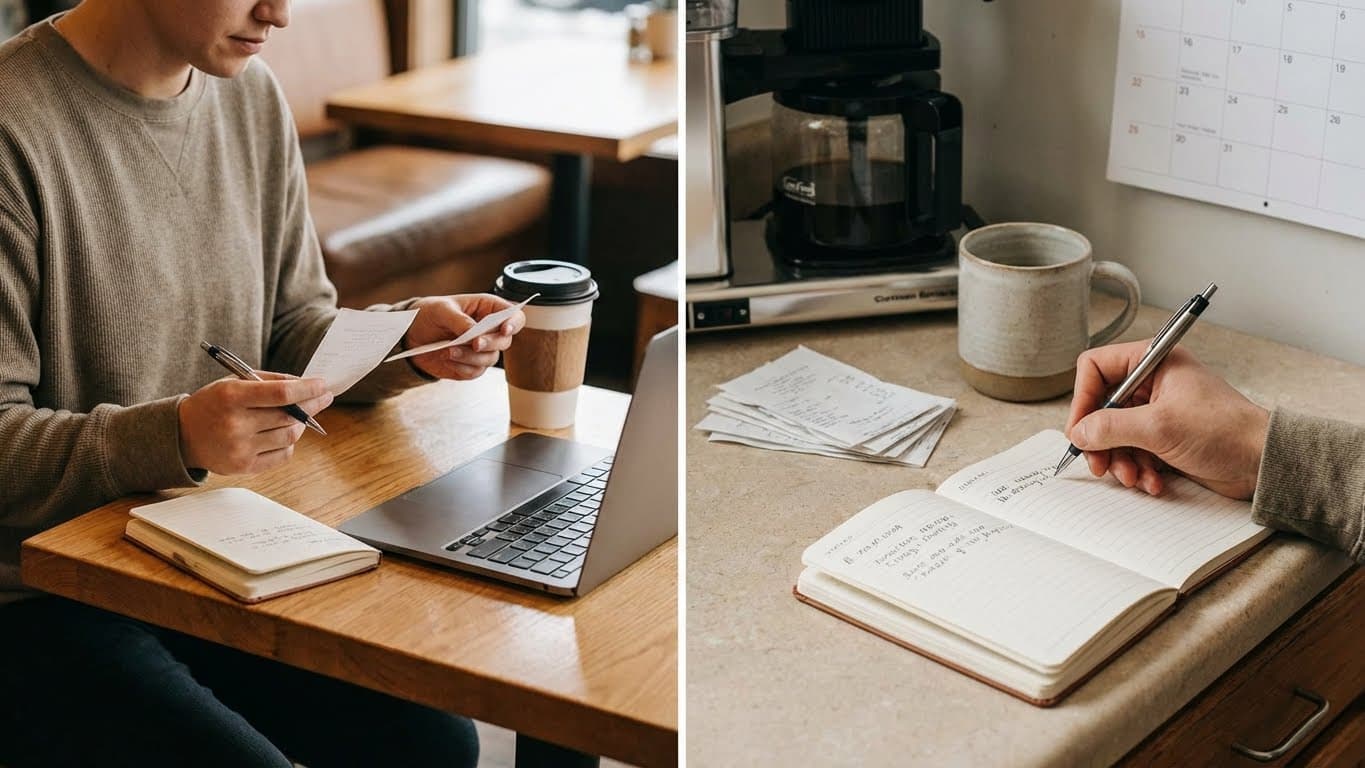
For one month, write down every coffee purchase—both at home and outside. You might be surprised how often you still buy coffee out of habit or convenience. Awareness alone often reduces unnecessary spending.
Prep the Night Before
Set out your equipment, measure your beans, and fill your kettle before bed. When morning comes, brewing takes just a few minutes. This removes the “I don’t have time” excuse that sends people to the drive-through.
Make Your Own Specialty Drinks
Love lattes or iced coffee? You can make them at home for a fraction of café prices.
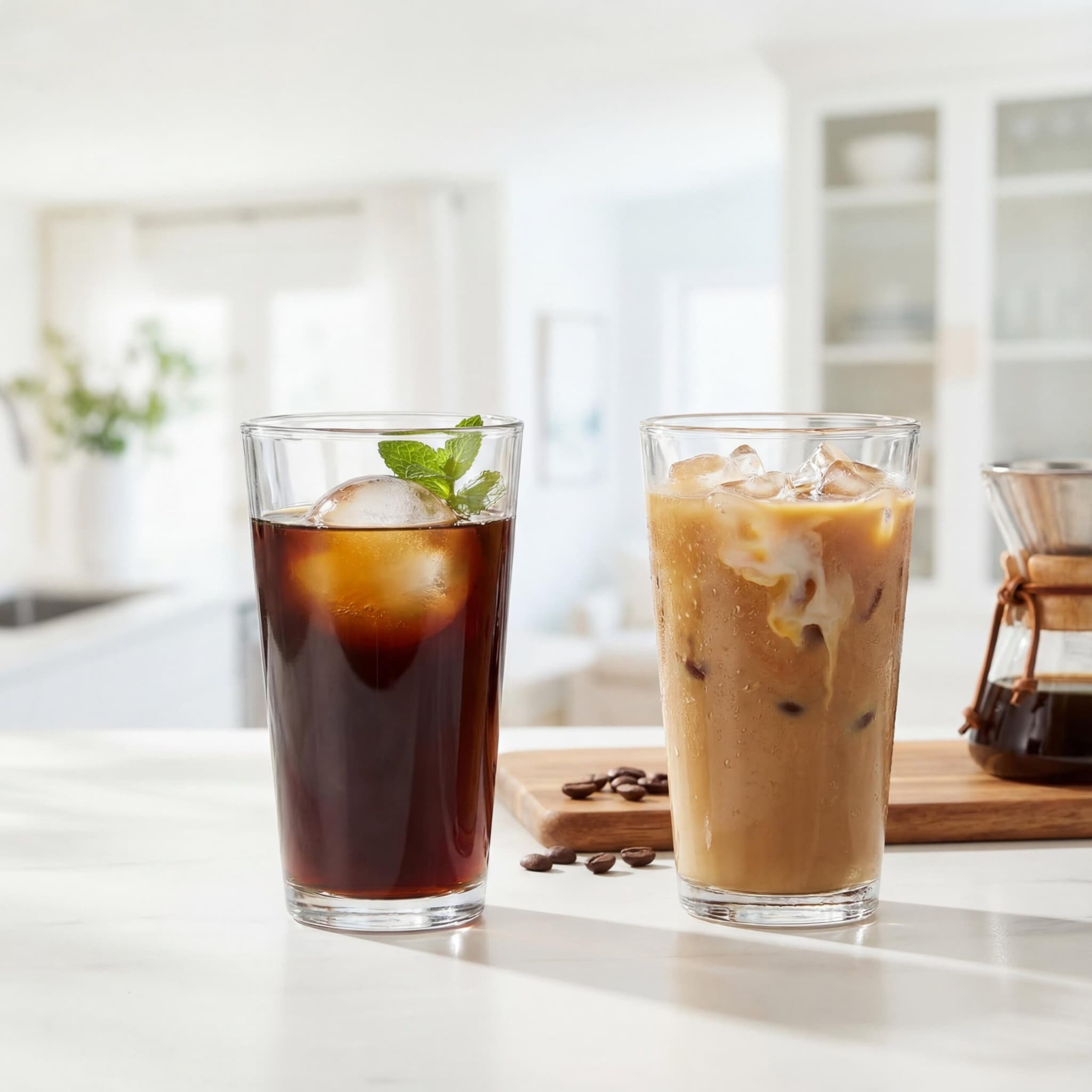
- Iced coffee: Brew a strong batch, let it cool, pour over ice. Total cost: under $0.50.
- Lattes: Use a Moka pot or AeroPress for strong coffee, then froth milk with a $10 handheld frother.
- Flavored drinks: Add vanilla extract, cinnamon, or cocoa powder instead of buying expensive syrups.
Consider this scenario: Mike used to spend $5.50 on a vanilla latte every morning. He bought an AeroPress ($35), a milk frother ($12), and vanilla extract ($4). Within two weeks, he’d recovered his investment. Now his daily latte costs about $0.60.
Frequently Asked Questions
How much can I realistically save by brewing coffee at home?
Most people save between $50 and $150 per month, depending on their previous café habits. If you were spending $5 daily on coffee, switching to home brewing saves roughly $120-140 monthly after accounting for bean costs.
What’s the cheapest way to brew coffee at home?
A French press or basic pour-over setup offers the lowest entry cost. Both require minimal equipment, no electricity, and produce excellent results. Ongoing costs are just the beans themselves.
Is instant coffee a good budget option?
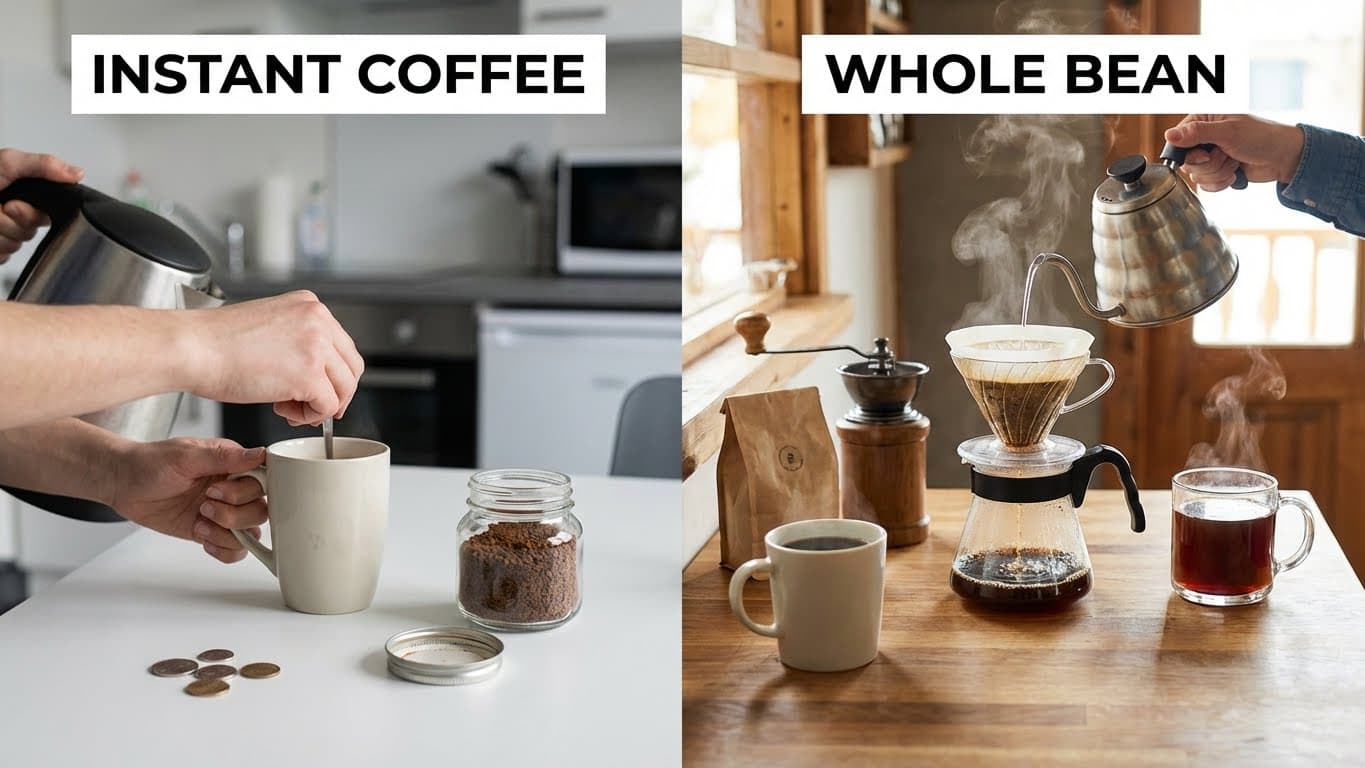
Instant coffee is cheap, but the flavor difference is significant. If taste matters to you, investing a few extra dollars in whole beans and a simple brewing method is worth it. However, if convenience is your priority and you’re okay with the taste, instant can work.
How long does it take to brew coffee at home?
Most methods take 3-5 minutes of active time. A pour-over takes about 3 minutes; a French press needs 4 minutes of steeping. With a little practice, it becomes part of your morning routine without feeling like extra work.
Do I need a coffee grinder?
A grinder isn’t mandatory, but it improves freshness and flavor significantly. If budget is tight, start with pre-ground coffee and add a hand grinder later when you can afford it.
Summary and Your Next Step
Brewing coffee at home while saving money each month isn’t complicated. Start with affordable equipment like a French press or pour-over, choose quality beans from local roasters or bulk retailers, and follow basic techniques for water temperature and ratios. Small daily habits—like prepping the night before and making your own specialty drinks—multiply your savings over time.
The best part? You’re not sacrificing quality. Home-brewed coffee, done right, often tastes better than what you’d get at a café. Pick one brewing method, grab some fresh beans, and start tomorrow morning. Within a month, you’ll notice the difference in both your cup and your wallet.

Comments