


Table of Contents
- How Coffee Affects Blood Pressure: The Basics
- The Acute vs. Long-Term Effect
- What Does the Research Actually Say About Coffee and Hypertension?
- Large Population Studies
- The Italian Study That Made Headlines
- Individual Factors That Matter
- Genetic Variations
- Current Blood Pressure Status
- Medication Interactions
- Practical Tips for Coffee Lovers With High Blood Pressure
- Monitor Your Personal Response
- Optimize Your Coffee Habits
- Consider Lower-Caffeine Options
- When You Should Be More Cautious
- Situations Requiring Caution
- Frequently Asked Questions
- Should I switch to decaf if I have high blood pressure?
- How long after drinking coffee should I wait to check my blood pressure?
- Is espresso worse for blood pressure than regular drip coffee?
- Can I drink coffee if I'm taking blood pressure medication?
- Does adding cream or sugar affect how coffee impacts blood pressure?
- Conclusion: Enjoying Your Coffee Mindfully
You’ve just been told your blood pressure is a bit higher than it should be, and now you’re staring at your morning cup of coffee with suspicion. Sound familiar? If you’re one of the millions of people managing hypertension, you’ve probably wondered whether that beloved daily ritual is helping or hurting you. The relationship between coffee and high blood pressure is surprisingly nuanced, and the research might actually put your mind at ease—or at least help you make an informed decision about your coffee habits.
In this article, we’ll dive into what the science actually says about drinking coffee with high blood pressure, explore how caffeine affects your cardiovascular system, and give you practical tips for enjoying your brew without the worry. Because honestly, life is too short for bad coffee—and for unnecessary anxiety about it.
How Coffee Affects Blood Pressure: The Basics
Let’s start with what happens in your body when you drink coffee. Caffeine, the star compound in your cup, is a stimulant that affects your cardiovascular system in several ways. When you consume caffeine, it temporarily blocks adenosine receptors in your brain. Adenosine normally helps dilate blood vessels, so when it’s blocked, your blood vessels can constrict slightly.
This constriction typically causes a short-term spike in blood pressure. In my experience testing my own blood pressure before and after coffee (yes, I’ve done this more times than I’d like to admit), I’ve seen increases of about 5-10 mmHg in systolic pressure. This effect usually peaks within 30-60 minutes and fades within 3-4 hours.
The Acute vs. Long-Term Effect
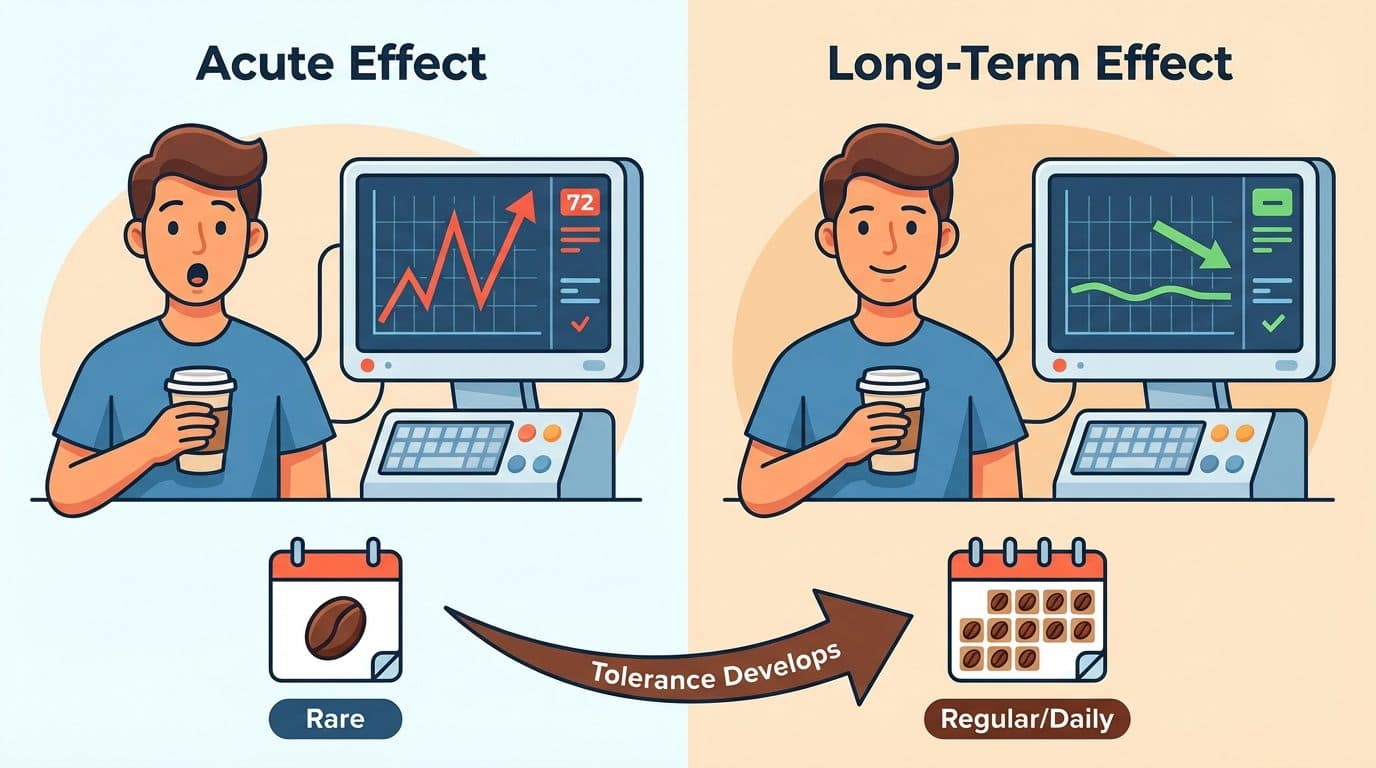
Here’s where things get interesting. While the acute (immediate) effect of coffee on blood pressure is well-documented, the long-term picture tells a different story. Your body develops a tolerance to caffeine over time. Regular coffee drinkers often experience much smaller blood pressure spikes—or none at all—compared to occasional drinkers.
Key Takeaway: The blood pressure spike you experience from coffee is typically temporary and tends to diminish the more regularly you drink it. Your body adapts.
What Does the Research Actually Say About Coffee and Hypertension?
I’ve dug through quite a bit of research on this topic, and the findings might surprise you. Multiple large-scale studies have examined the relationship between coffee consumption and cardiovascular health, and the results are more reassuring than you might expect.
Large Population Studies
A comprehensive meta-analysis published in the American Journal of Clinical Nutrition, which analyzed data from over 1 million participants, found no significant association between habitual coffee consumption and increased risk of hypertension. In fact, some studies suggest moderate coffee consumption might even have protective cardiovascular effects.
Another study from the European Journal of Preventive Cardiology followed over 19,000 participants and found that drinking 1-3 cups of coffee daily was associated with lower cardiovascular risk compared to non-coffee drinkers. The researchers attributed this partly to the beneficial antioxidants and polyphenols found in coffee.
The Italian Study That Made Headlines
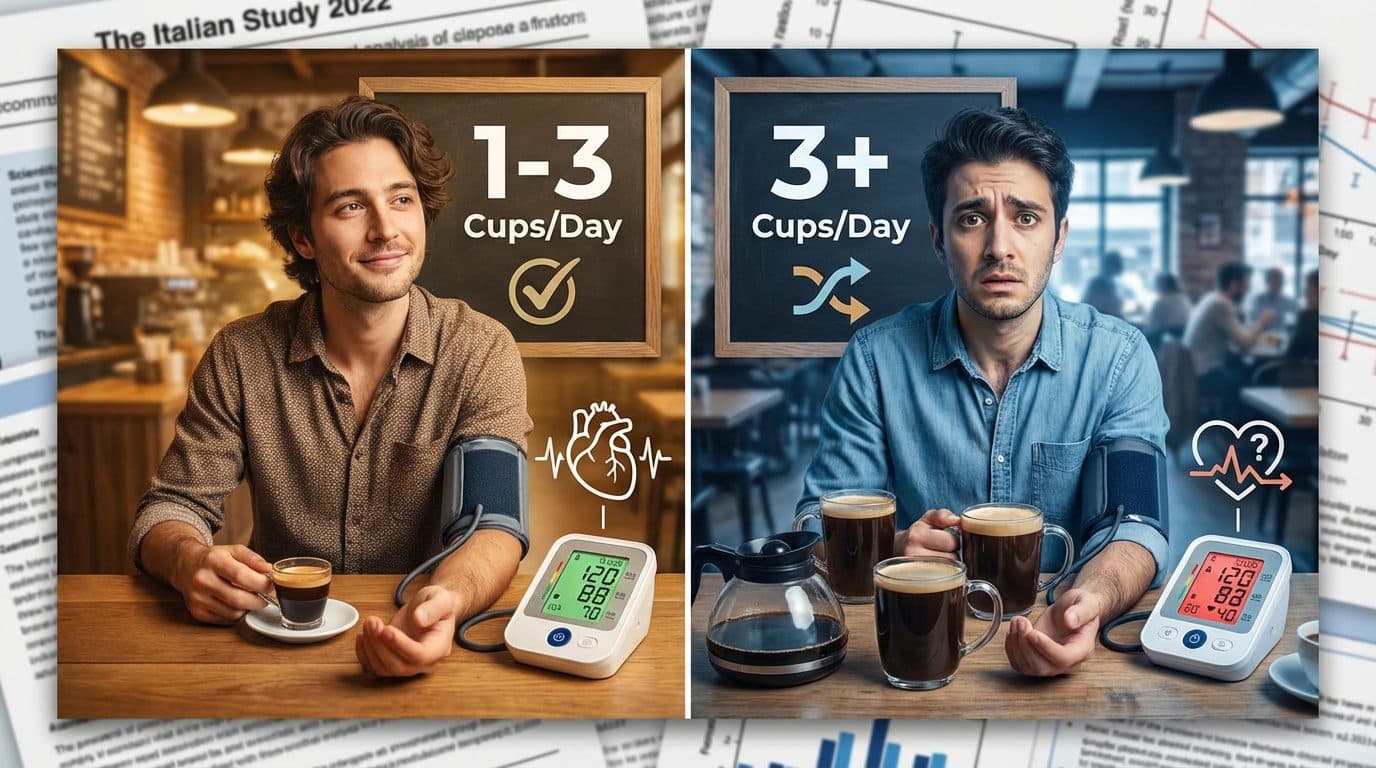
A 2022 study that got a lot of attention examined over 12,000 participants with varying blood pressure levels. The researchers found that moderate coffee consumption (1-3 cups daily) was not associated with increased cardiovascular events, even in people with untreated hypertension. Heavy consumption (more than 3 cups) showed mixed results depending on the severity of the hypertension.
| Coffee Consumption | Effect on Blood Pressure (Regular Drinkers) | Long-Term Cardiovascular Risk |
|---|---|---|
| 1-2 cups/day | Minimal to no acute spike | Generally neutral or protective |
| 3-4 cups/day | Small temporary increase possible | Mostly neutral |
| 5+ cups/day | More pronounced effects possible | Mixed results; individual variation |
Individual Factors That Matter
Here’s what I’ve found fascinating about this topic: the effect of coffee on your blood pressure isn’t universal. Several individual factors play a significant role in how your body responds.
Genetic Variations
Some people metabolize caffeine quickly (fast metabolizers), while others process it slowly. This difference is largely determined by variations in the CYP1A2 gene. Slow metabolizers tend to experience more pronounced and longer-lasting blood pressure effects from coffee. If caffeine keeps you up at night or makes you jittery, you might be a slow metabolizer.
Current Blood Pressure Status
Your baseline blood pressure matters too. Research suggests that people with well-controlled hypertension who are regular coffee drinkers generally don’t need to eliminate coffee entirely. However, if your blood pressure is poorly controlled or you’re newly diagnosed, your doctor might recommend a temporary reduction while you establish your baseline.
Medication Interactions
Certain blood pressure medications can interact with caffeine. For example, some beta-blockers might have their effects slightly diminished by caffeine. Always discuss your coffee habits with your healthcare provider, especially when starting new medications.
Did You Know? The timing of your coffee matters. Drinking coffee with or after a meal tends to produce a smaller blood pressure response than drinking it on an empty stomach.
Practical Tips for Coffee Lovers With High Blood Pressure
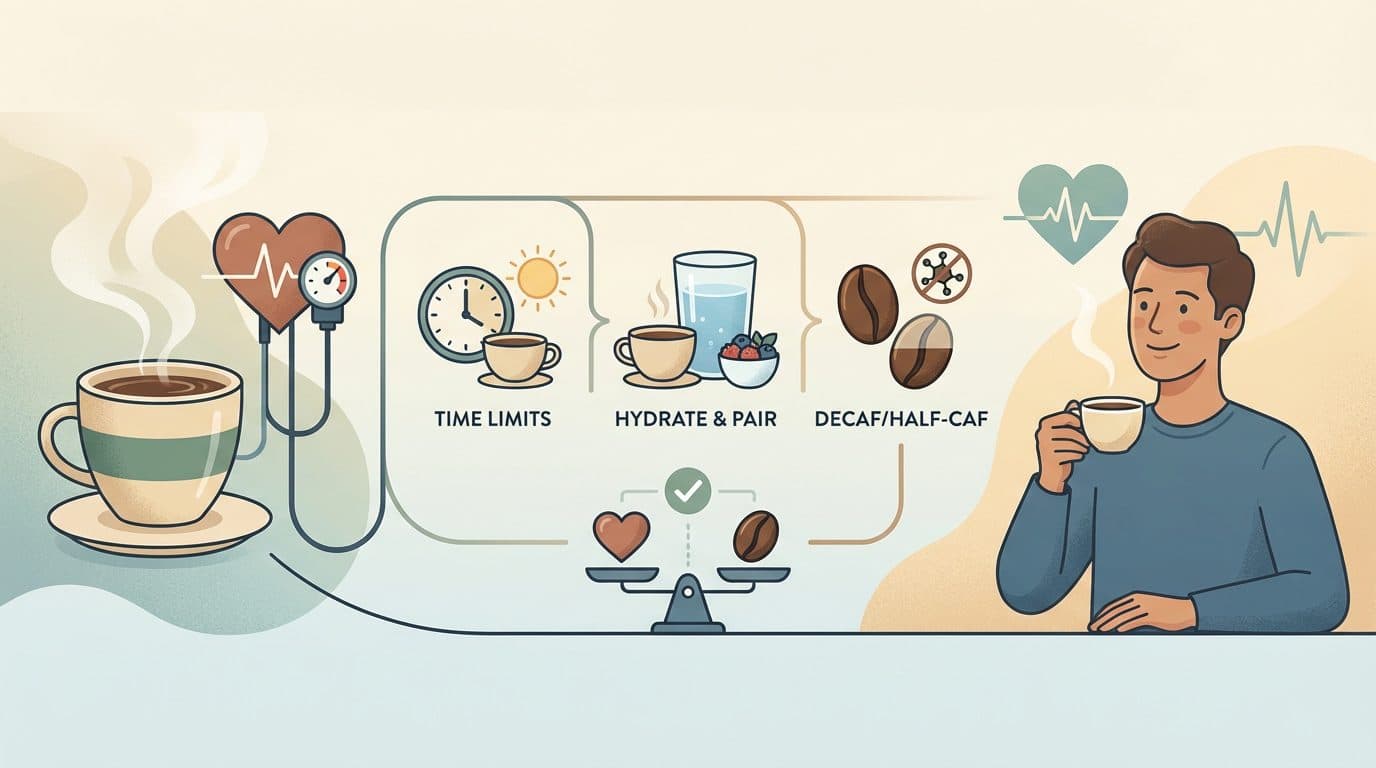
So, you want to keep enjoying your coffee without constantly worrying about your cardiovascular health? Here are some practical strategies I recommend based on the research and my own experience helping fellow coffee lovers navigate this issue.
Monitor Your Personal Response
- Track your blood pressure at home before and after coffee for a few days to understand your individual response
- Note any symptoms like heart palpitations, headaches, or increased anxiety
- Keep a simple log of how many cups you drink and when
Optimize Your Coffee Habits
- Stick to moderate consumption—1-3 cups daily appears safe for most people with hypertension
- Maintain consistency—regular intake helps your body adapt and reduces acute blood pressure spikes
- Avoid drinking coffee right before blood pressure measurements (wait at least 30 minutes for accurate readings)
- Time your coffee with meals rather than on an empty stomach
Consider Lower-Caffeine Options
If you’re particularly sensitive to caffeine or your doctor has recommended reducing intake, you don’t have to give up coffee entirely. Here are some alternatives:
- Half-caff blends—mix regular and decaf for a 50% reduction
- Swiss Water Process decaf—removes 99.9% of caffeine while preserving flavor
- Light roasts—contrary to popular belief, they have similar caffeine to dark roasts, but the brew method matters more
- Smaller serving sizes—an 8 oz cup instead of a 16 oz grande
Barista Tip: If you’re transitioning to lower caffeine, do it gradually over 1-2 weeks to avoid withdrawal headaches. Start by replacing one cup with decaf, then slowly increase the ratio.
When You Should Be More Cautious
While the research is generally reassuring, there are situations where extra caution is warranted. Being honest about when coffee might not be your friend is part of being a responsible home barista.
Situations Requiring Caution
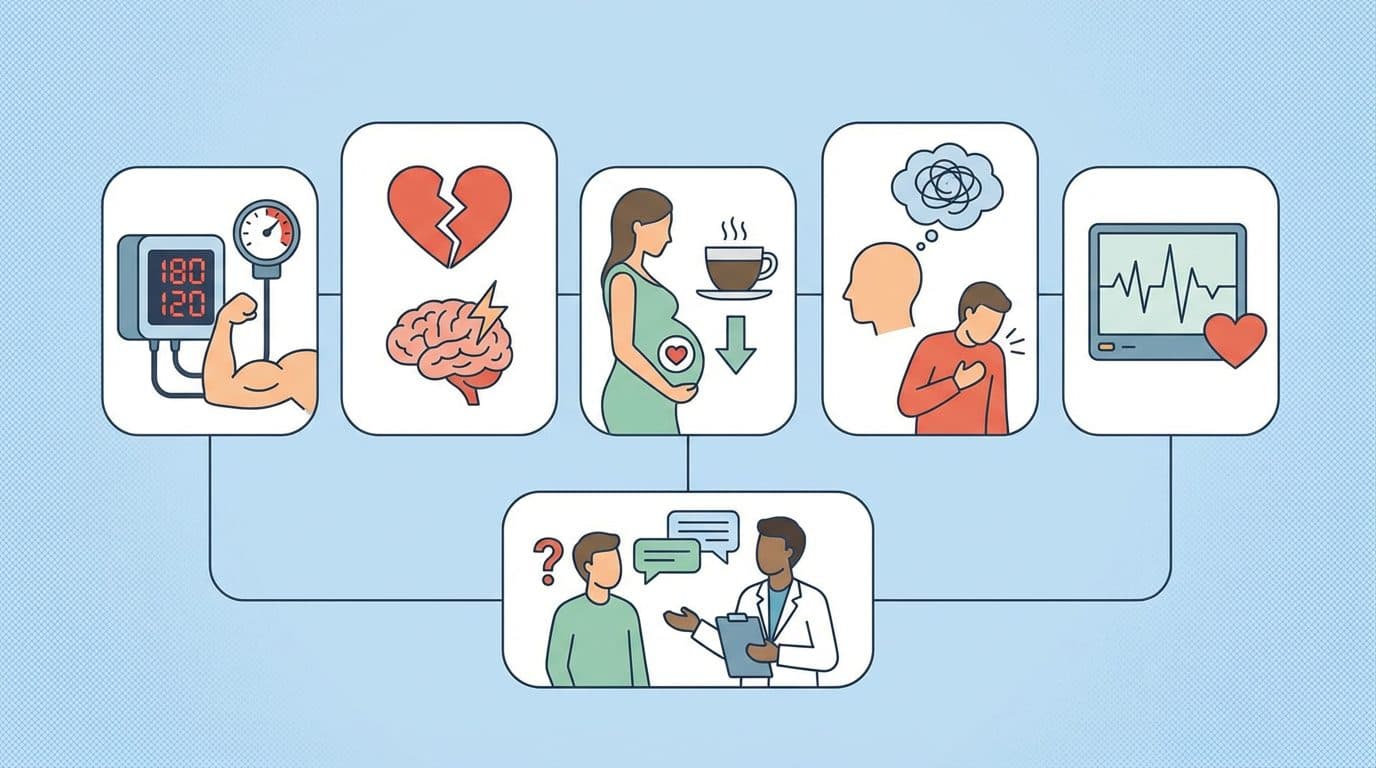
- Very high or uncontrolled blood pressure (systolic consistently above 180 or diastolic above 120)
- Recent cardiovascular events like heart attack or stroke
- Pregnancy—caffeine recommendations are lower, and blood pressure changes are common
- Severe anxiety disorders that are exacerbated by caffeine
- Certain arrhythmias or heart rhythm disorders
In these cases, please have a direct conversation with your cardiologist or healthcare provider about your specific situation. This article provides general information, but your personal health circumstances may require individualized guidance.
Frequently Asked Questions
Should I switch to decaf if I have high blood pressure?
Not necessarily. For most people with mild to moderate, well-controlled hypertension, moderate regular coffee consumption appears safe. However, if you’re caffeine-sensitive, newly diagnosed, or your doctor specifically recommends it, decaf is a great option that still provides the antioxidant benefits of coffee without the cardiovascular stimulation.
How long after drinking coffee should I wait to check my blood pressure?
I recommend waiting at least 30 minutes after your last cup of coffee before measuring your blood pressure. The acute effects of caffeine can persist for 1-3 hours, so if you want the most accurate baseline reading, measure first thing in the morning before any caffeine intake.
Is espresso worse for blood pressure than regular drip coffee?
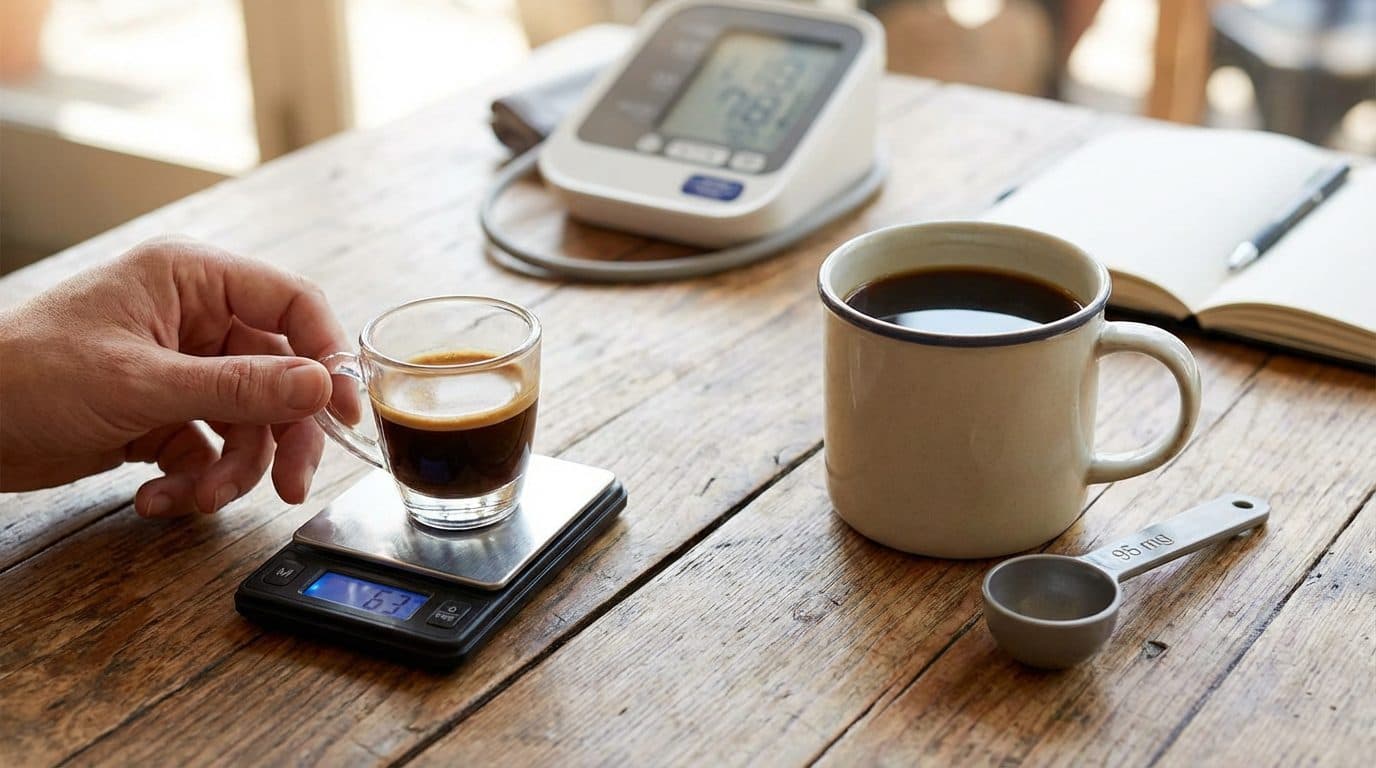
Interestingly, a single shot of espresso contains less caffeine (about 63 mg) than a standard 8 oz cup of drip coffee (about 95 mg). However, most people don’t stop at one shot. The total caffeine intake matters more than the brewing method. If you’re concerned, stick to a single or double shot rather than multiple espresso-based drinks.
Can I drink coffee if I’m taking blood pressure medication?
Generally, yes, but it depends on the medication. Some medications interact with caffeine more than others. Always inform your doctor about your coffee habits, and don’t adjust your medication based on coffee consumption without medical guidance.
Does adding cream or sugar affect how coffee impacts blood pressure?
The caffeine effect remains the same regardless of additions. However, excessive sugar can contribute to weight gain and metabolic issues that indirectly affect blood pressure. Opt for minimal sweeteners and consider healthier additions like a splash of milk or unsweetened plant-based alternatives.
Conclusion: Enjoying Your Coffee Mindfully
The bottom line? For most people with high blood pressure, moderate coffee consumption—around 1-3 cups daily—appears to be safe and may even offer some cardiovascular benefits thanks to coffee’s antioxidant properties. The key is understanding your individual response, maintaining consistency in your habits, and staying in communication with your healthcare provider.
I’ve found that the anxiety around “is this cup going to hurt me?” often causes more stress than the coffee itself. By monitoring your personal response, making informed choices about consumption levels, and following the practical tips outlined here, you can continue enjoying your morning ritual with confidence. After all, that moment of peace with a warm cup in your hands might just be good for your heart in ways that can’t be measured by a blood pressure cuff.
Start by tracking your blood pressure response for a week, discuss your findings with your doctor, and then settle into a coffee routine that works for both your taste buds and your cardiovascular health.



Comments