


Table of Contents
- Quick Verdict: Hario V60 Starter Set
- Who Is This Guide For?
- Why Pour-Over Coffee Is Worth Your Time
- The Taste Difference
- The Practical Benefits
- Best Starter Pour-Over Kits Compared
- Hario V60 Starter Set – Best Overall Value
- Melitta Pour-Over Set – Best for Absolute Beginners
- Kalita Wave 155 – Best for Consistent Results
- Bodum Pour-Over Set – Best All-in-One Solution
- Essential Add-Ons That Won't Break the Bank
- A Decent Kettle
- Fresh, Whole Bean Coffee
- A Basic Scale
- A Manual Grinder
- Frequently Asked Questions
- Can I use regular ground coffee in a pour-over?
- How much should I spend on my first pour-over kit?
- What's the ideal water temperature for pour-over brewing?
- How long should a pour-over take?
- Do I really need a gooseneck kettle?
- Summary and Your Next Step
Quick Verdict: Hario V60 Starter Set
After testing dozens of budget pour-over setups over the years, I keep coming back to the Hario V60 Starter Set as my top recommendation for new home brewers. It offers the best balance of quality, learning potential, and price. You’ll get café-quality results without spending café prices, and the skills you develop will serve you well as you grow in your coffee journey.
Who Is This Guide For?
Have you been staring at your drip coffee maker, wondering if there’s something better out there? Maybe you’ve tasted a perfectly brewed pour-over at your local coffee shop and thought, “I want that at home.” If you’re nodding along, you’re in the right place.
This guide is specifically for beginners who want to explore pour-over coffee without breaking the bank. We’re talking about starter kits under $50 that deliver genuinely impressive results. I’ve found that you don’t need expensive equipment to brew exceptional coffee at home. What you need is the right gear, a bit of patience, and some guidance to get started.
By the end of this article, you’ll know exactly which pour-over kit matches your budget, your kitchen space, and your coffee goals. Whether you’re a complete newbie or someone transitioning from instant coffee, these recommendations will set you up for success.
Why Pour-Over Coffee Is Worth Your Time
Before we dive into the kits, let’s talk about why pour-over brewing has captured the hearts of coffee lovers worldwide. In short, pour-over gives you complete control over the brewing process, which translates to a cleaner, more flavorful cup.
The Taste Difference
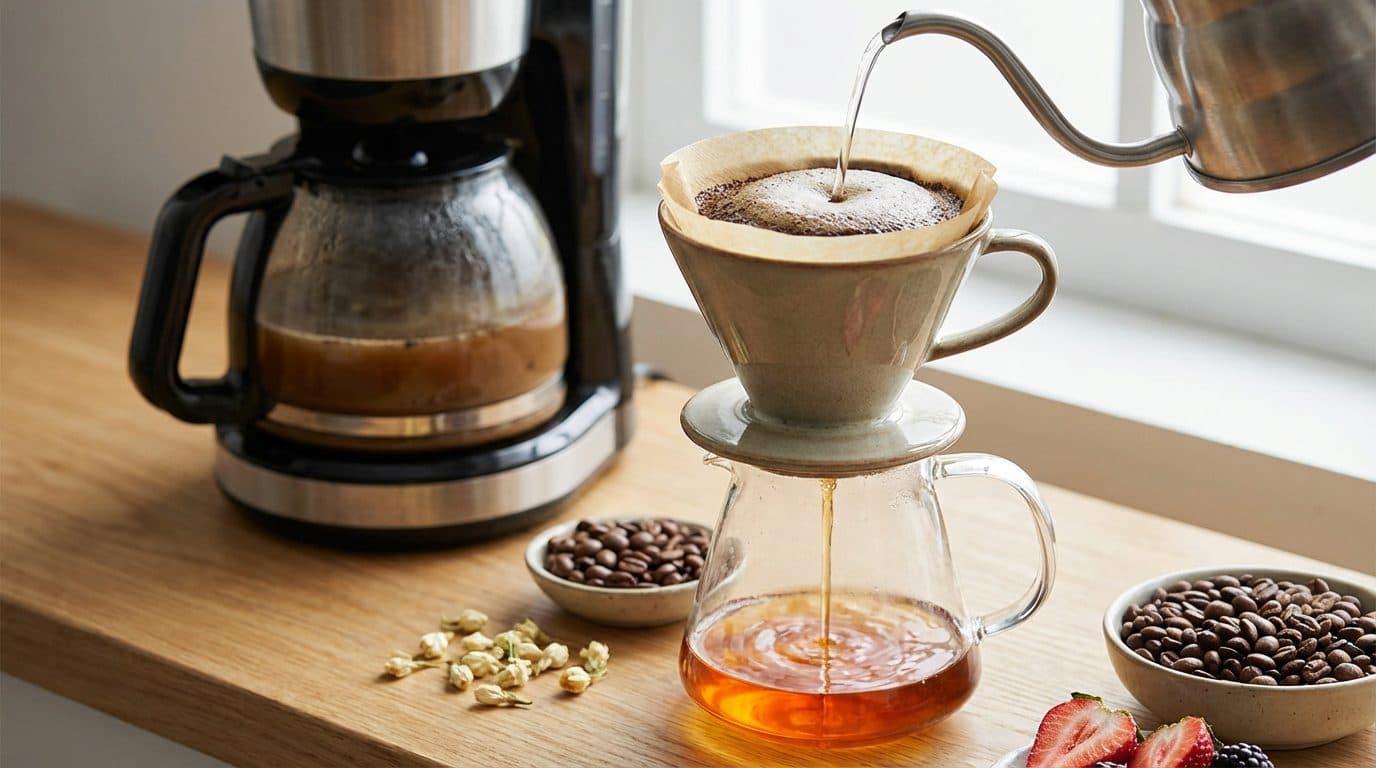
Pour-over brewing produces coffee with remarkable clarity. You’ll taste notes and nuances that get lost in automatic drip machines. That single-origin Ethiopian you’ve been curious about? Its fruity, floral characteristics will finally shine through. Life is too short for muddy, bitter coffee when something better is within reach.
The Practical Benefits
- Minimal equipment needed: A dripper, filters, and a kettle get you started
- Easy cleanup: Toss the filter, rinse the dripper, done
- Space-saving: Perfect for small kitchens or apartments
- Portable: Take it camping, traveling, or to the office
- Cost-effective: No expensive machines or pods required
I remember my first pour-over experience vividly. I was skeptical that such a simple setup could outperform my $200 drip machine. One cup later, that machine found a new home in my garage.
Best Starter Pour-Over Kits Compared
I’ve broken down the top budget-friendly options based on hands-on testing, ease of use for beginners, and overall value. Here’s a quick comparison before we dive deeper:
| Kit | Price Range | Best For | Learning Curve |
|---|---|---|---|
| Hario V60 Starter Set | $25-35 | Overall best value | Moderate |
| Melitta Pour-Over Set | $15-20 | Absolute beginners | Easy |
| Kalita Wave 155 | $30-40 | Consistent results | Easy |
| Bodum Pour-Over Set | $20-30 | All-in-one solution | Easy |
Hario V60 Starter Set – Best Overall Value
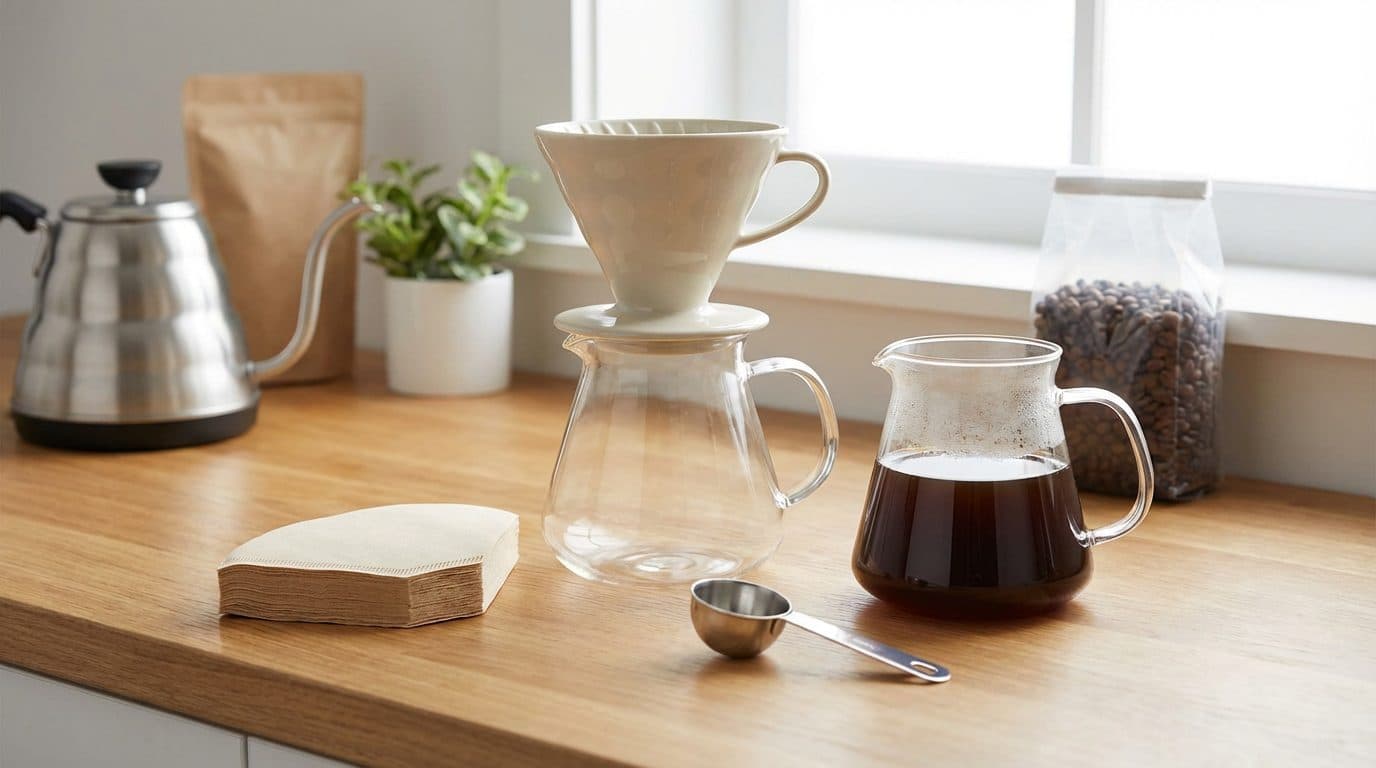
The Hario V60 has become nearly synonymous with pour-over coffee, and for good reason. This Japanese-designed dripper features a conical shape with spiral ridges that promote optimal extraction. The starter set typically includes the dripper, a glass server, measuring scoop, and filters.
Pros:
- Industry-standard design used by professional baristas worldwide
- Widely available replacement filters at grocery stores
- Teaches proper pour-over technique that transfers to other methods
- Plastic version is nearly indestructible and travel-friendly
- Extensive online resources, recipes, and tutorials available
Cons:
- Requires more precise pouring technique than other options
- Results vary more based on user skill
- Fast drain time can be unforgiving for beginners
Who is this for? Coffee enthusiasts who want to develop real barista skills and don’t mind a learning curve. If you enjoy the process as much as the result, this is your kit.
Who is this NOT for? Someone who wants foolproof results from day one with minimal technique required.
Barista Tip: Start with a medium-fine grind, similar to table salt. If your brew finishes in under 2 minutes, grind finer. Over 4 minutes? Go coarser.
Check the latest price on Amazon for the Hario V60 Starter Set.
Melitta Pour-Over Set – Best for Absolute Beginners
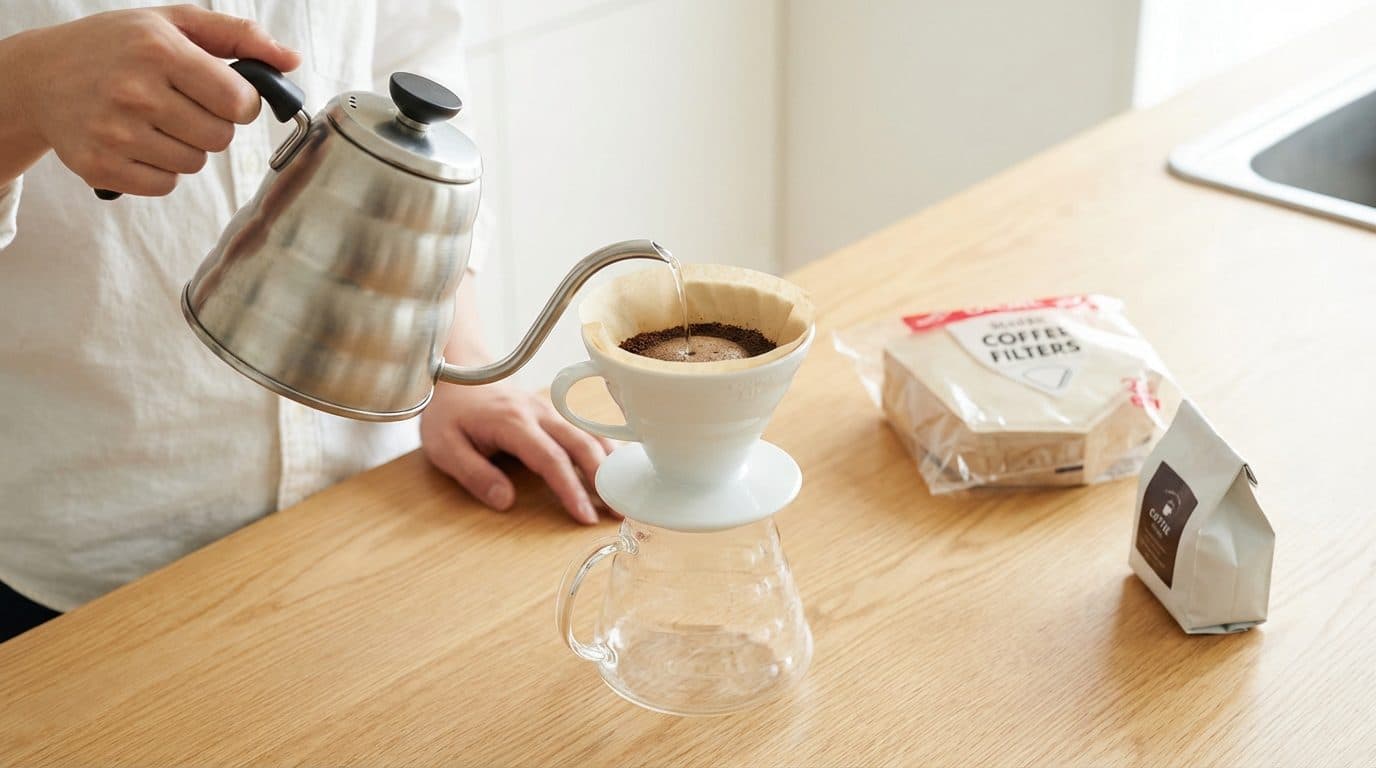
Melitta invented the paper coffee filter back in 1908, and they’ve been perfecting pour-over brewing ever since. Their budget-friendly starter set is incredibly forgiving, making it ideal for those just dipping their toes into manual brewing.
Pros:
- Extremely affordable entry point under $20
- Single-hole design slows water flow, reducing technique importance
- Filters available at virtually every grocery store
- Consistent results even with imperfect pours
- Comes with a porcelain or plastic dripper and carafe
Cons:
- Less control over extraction compared to V60
- Limited ceiling for improvement as skills develop
- Smaller community and fewer advanced recipes available
Who is this for? Complete beginners who want good coffee without stress. Perfect if you’re replacing a drip machine and want something simple.
Who is this NOT for? Those who want to geek out over brewing variables and push their technique further.
In my experience, the Melitta set is what I recommend when someone asks, “I just want better coffee without complications.” It delivers exactly that.
See current deals on the Melitta Pour-Over Set.
Kalita Wave 155 – Best for Consistent Results
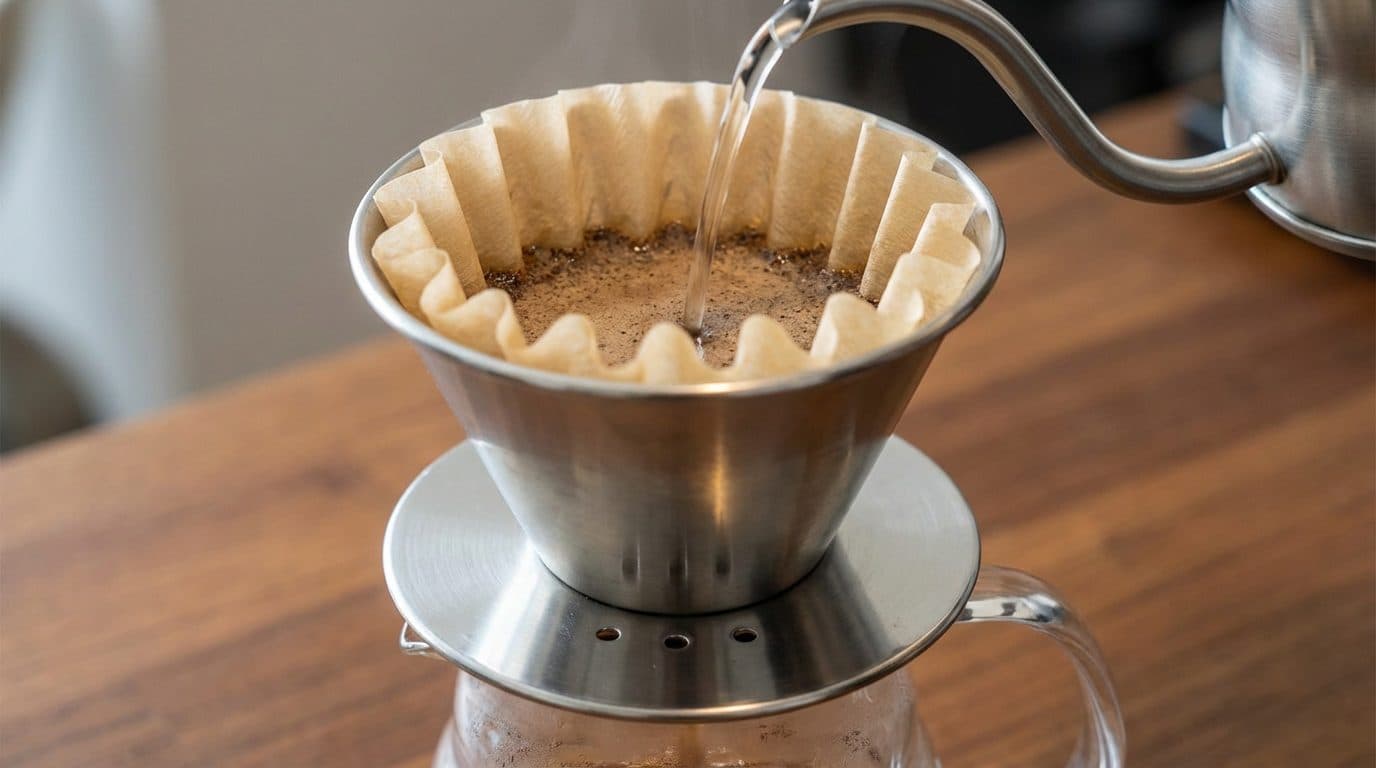
The Kalita Wave takes a different approach with its flat-bottom design and three small drainage holes. This creates a more even extraction and is remarkably forgiving of pouring inconsistencies. The distinctive wavy filters also minimize contact with the dripper walls.
Pros:
- Flat bed promotes even extraction across all grounds
- Three-hole design self-regulates flow rate
- More consistent results regardless of pour technique
- Excellent build quality in stainless steel version
- Produces a balanced, clean cup reliably
Cons:
- Proprietary filters can be harder to find locally
- Filters cost slightly more than cone alternatives
- Less room for experimentation compared to V60
Who is this for? Beginners who want reliable results without babysitting every pour. Great for morning routines when you’re still half asleep.
Who is this NOT for? Experimenters who enjoy tweaking variables and trying new techniques.
Barista Tip: The 155 size is perfect for single cups (1-2 servings). If you regularly brew for multiple people, consider the larger 185 size instead.
Check the latest price on the Kalita Wave 155.
Bodum Pour-Over Set – Best All-in-One Solution
Bodum’s pour-over coffee maker combines a glass carafe with a permanent stainless steel mesh filter, eliminating the need for paper filters entirely. It’s an attractive, self-contained brewing solution.
Pros:
- No ongoing filter costs after initial purchase
- Eco-friendly reusable filter option
- Attractive design looks great on the counter
- Cork band provides comfortable grip and heat protection
- Simple pour-and-wait brewing process
Cons:
- Metal filter allows more oils and fine particles through
- Produces a heavier body than paper-filtered coffee
- Mesh filter requires thorough cleaning to prevent buildup
- Less control over extraction variables
Who is this for? Eco-conscious brewers who prefer a fuller-bodied cup and want to skip paper filters entirely.
Who is this NOT for? Those who prefer clean, bright coffee or want the classic paper-filtered pour-over taste.
See current deals on the Bodum Pour-Over Set.
Essential Add-Ons That Won’t Break the Bank
Your starter kit gets you brewing, but a few inexpensive additions will dramatically improve your results. You don’t need everything at once, but consider adding these as your budget allows.
A Decent Kettle
You can start with any kettle you have, but a gooseneck kettle transforms your pour-over game. The narrow spout gives you precise control over water placement and flow rate. Budget options from brands like Coffee Gator or Cosori run $25-40 and work beautifully.
Fresh, Whole Bean Coffee
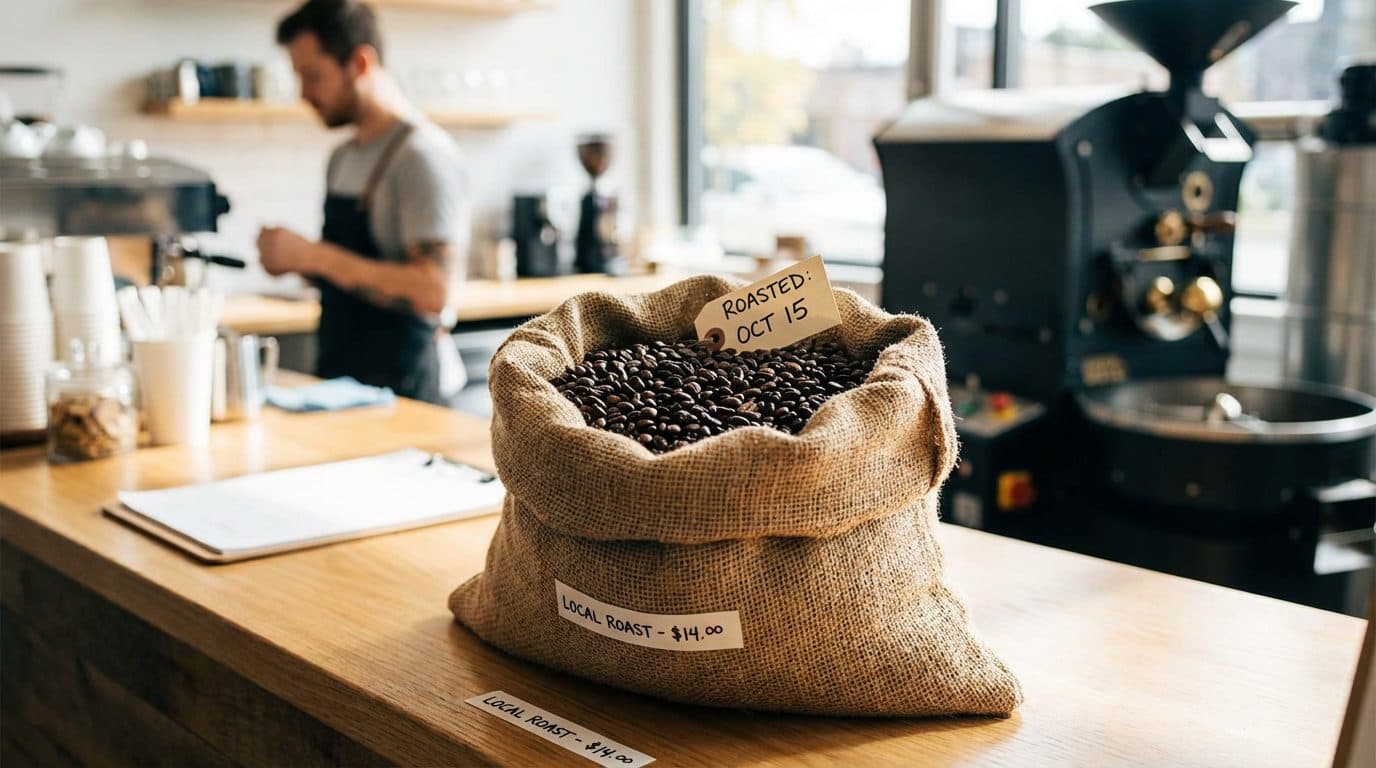
This might be the single most impactful upgrade. Pre-ground coffee starts losing flavor within minutes of grinding. Find a local roaster or order beans online, ideally roasted within the past 2-3 weeks. Expect to spend $12-18 for a quality bag.
A Basic Scale
Consistent coffee requires consistent measurements. A simple kitchen scale with 0.1g accuracy costs under $15 and removes guesswork from your brewing. Weigh your coffee, weigh your water, and you’ll replicate great cups every time.
A Manual Grinder
Pre-ground coffee works in a pinch, but grinding fresh makes a noticeable difference. The JavaPresse or Hario Skerton hand grinders offer decent quality for $30-40. They require some elbow grease but deliver far better results than cheap blade grinders.
Frequently Asked Questions
Can I use regular ground coffee in a pour-over?
Yes, you can use pre-ground coffee designed for drip machines in most pour-over setups. However, you’ll get significantly better results with freshly ground coffee. If buying pre-ground, look for “medium” or “drip” grind size, and use it within a week or two of opening for best flavor.
How much should I spend on my first pour-over kit?
You can get excellent results with a $20-35 kit. Spending more typically gets you better materials like glass or ceramic instead of plastic, but doesn’t necessarily improve coffee quality. I always tell beginners to start affordable, learn the technique, then upgrade if the hobby sticks.
What’s the ideal water temperature for pour-over brewing?
Aim for 195-205°F (90-96°C). If you don’t have a thermometer, bring water to a boil and let it rest for 30-60 seconds. Water that’s too hot can over-extract and create bitterness, while water that’s too cool produces weak, sour coffee.
How long should a pour-over take?
Total brew time typically ranges from 2:30 to 4:00 minutes, depending on your coffee amount, grind size, and dripper style. If it drains too fast, your grind is too coarse. If it takes forever, grind coarser. Use time as a diagnostic tool to dial in your perfect cup.
Do I really need a gooseneck kettle?
Not to start. You can brew decent pour-over with any kettle by pouring slowly and carefully. However, a gooseneck kettle makes precise pouring much easier and becomes essential as you refine your technique. Consider it a second-phase purchase after you’ve committed to the method.
Summary and Your Next Step
Choosing your first pour-over kit doesn’t need to be overwhelming. For most beginners on a budget, the Hario V60 Starter Set offers the best combination of value, learning potential, and long-term satisfaction. If you want something even simpler, the Melitta set is a fantastic no-fuss option. And if consistency matters most, the Kalita Wave won’t let you down.
Here’s what I’d recommend: Pick one kit that appeals to you, order some fresh beans from a local roaster, and brew your first cup this weekend. Don’t worry about perfection. Your first pour-over won’t be your best, and that’s part of the fun. Each cup teaches you something new about coffee, technique, and your own preferences.
Start with the basics, taste intentionally, adjust one variable at a time, and before you know it, you’ll be brewing coffee that rivals your favorite café. The journey from curious beginner to confident home barista is shorter than you think, and it starts with that first pour.

Comments