


Table of Contents
- Quick Verdict: Top Crema-Heavy Espresso Coffee
- What Makes Coffee Produce Great Crema?
- The Role of Coffee Oils and CO2
- Roast Level Matters More Than You Think
- Robusta: The Secret Crema Weapon
- Best Coffee Blends for Crema-Heavy Espresso
- Lavazza Super Crema (Best Overall Value)
- Illy Classico Medium Roast
- Intelligentsia Black Cat Classic Espresso
- Café Bustelo Espresso Dark Roast
- Comparison: Which Crema-Heavy Blend is Right for You?
- Tips for Maximizing Crema with Any Coffee
- Freshness is Non-Negotiable
- Dial In Your Grind Size
- Temperature and Pressure Matter
- Don't Forget the Tamp
- Frequently Asked Questions
- Does crema actually affect the taste of espresso?
- Why does my crema disappear so quickly?
- Can I get good crema from single-origin coffee?
- Is darker roast always better for crema?
- Do espresso machines affect crema quality?
- Final Thoughts and Recommendations
Have you ever pulled what should be a perfect espresso shot, only to watch a thin, sad layer of crema disappear within seconds? You’re not alone. The secret to that thick, golden-brown crema that baristas obsess over starts long before the portafilter—it begins with choosing the right coffee beans. Finding the best coffee for espresso with crema-heavy potential can transform your home brewing experience from mediocre to magnificent.
In this guide, I’ll walk you through exactly what makes certain coffees produce exceptional crema, which blends deliver the goods consistently, and how to choose the perfect beans for your espresso setup. Whether you’re a seasoned home barista or just getting started, you’ll discover why some coffees create that luxurious, velvety cap while others fall flat.
Quick Verdict: Top Crema-Heavy Espresso Coffee
Lavazza Super Crema takes the crown for most home baristas. This Italian blend delivers consistently thick, long-lasting crema with a smooth, approachable flavor profile that works beautifully across different espresso machines. It’s reasonably priced, widely available, and lives up to its name—the “Super Crema” title isn’t just marketing fluff.
For those wanting to level up, Intelligentsia Black Cat Classic Espresso offers more complexity while still producing impressive crema. It costs more but rewards you with nuanced flavors and that Instagram-worthy crema layer.
What Makes Coffee Produce Great Crema?
Before diving into specific recommendations, let’s talk about the science behind crema. Understanding this helps you make smarter buying decisions and troubleshoot when things go wrong.
The Role of Coffee Oils and CO2
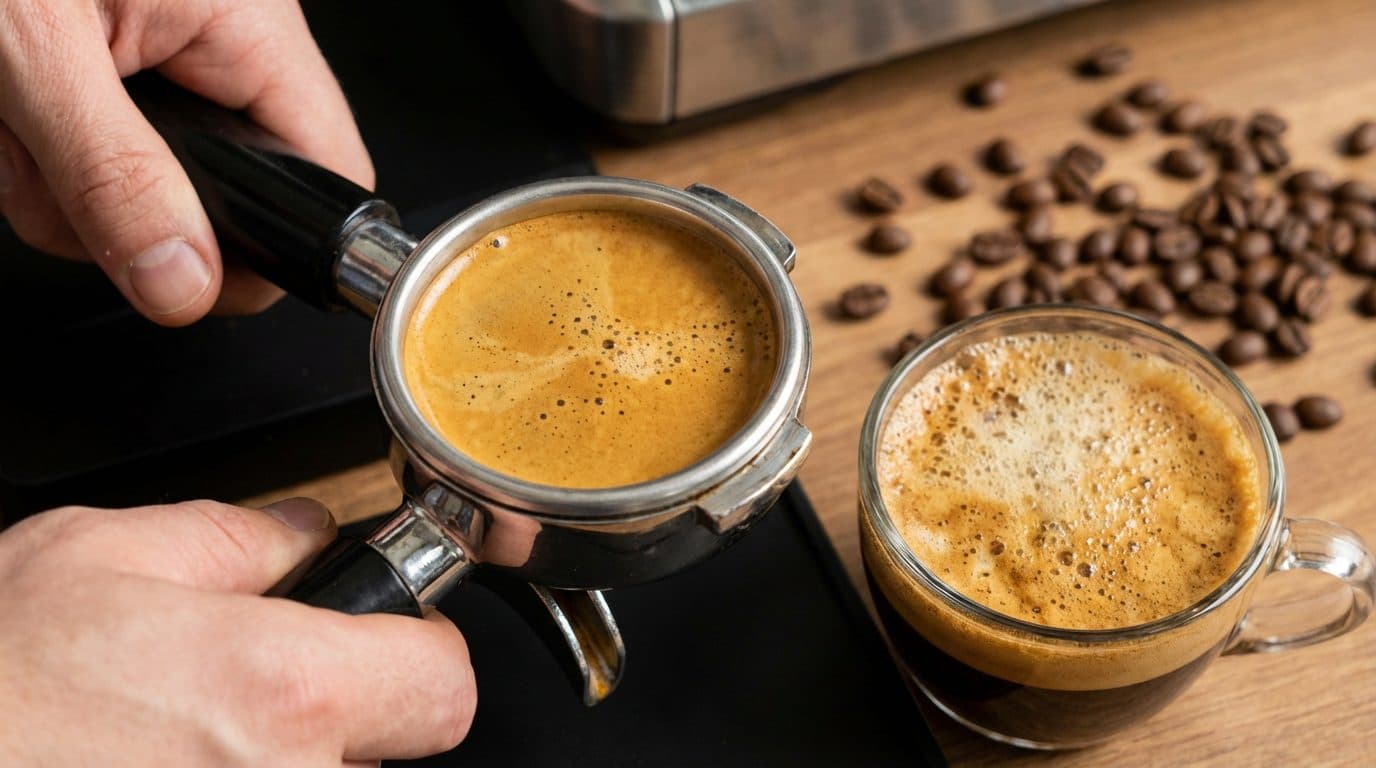
Crema forms when hot water forces through finely-ground coffee under high pressure. This process emulsifies the natural oils in coffee beans and traps carbon dioxide (CO2) that’s been building up since roasting. In short, crema is essentially a foam of tiny bubbles suspended in coffee oils.
Fresh beans contain more CO2, which is why freshly roasted coffee produces better crema. However, beans that are too fresh (less than 5-7 days post-roast) can actually produce unstable, overly bubbly crema that dissipates quickly. The sweet spot is typically 7-21 days after roasting.
Roast Level Matters More Than You Think
Medium to medium-dark roasts generally produce the best crema. Here’s why:
- Light roasts retain more moisture and produce less oil on the surface, resulting in thinner crema
- Medium roasts offer a balance of oils and CO2 retention for consistent crema
- Dark roasts have more surface oils but lose CO2 faster, often creating initially impressive but quickly fading crema
- Oily beans (very dark roasts) can actually clog grinders and produce inconsistent extraction
Robusta: The Secret Crema Weapon
Here’s something many coffee purists won’t tell you: Robusta beans produce significantly more crema than Arabica. Robusta contains nearly twice the CO2 and has different oil compositions that create denser, more stable foam. This is why traditional Italian espresso blends often include 10-30% Robusta—it’s not cutting corners, it’s enhancing crema.
The trade-off? Pure Robusta tastes harsh and bitter. But when blended thoughtfully with quality Arabica, you get the best of both worlds: complex flavor with crema that sticks around.
Best Coffee Blends for Crema-Heavy Espresso
I’ve tested dozens of espresso blends over the years, and these consistently deliver exceptional crema while still tasting fantastic.
Lavazza Super Crema (Best Overall Value)
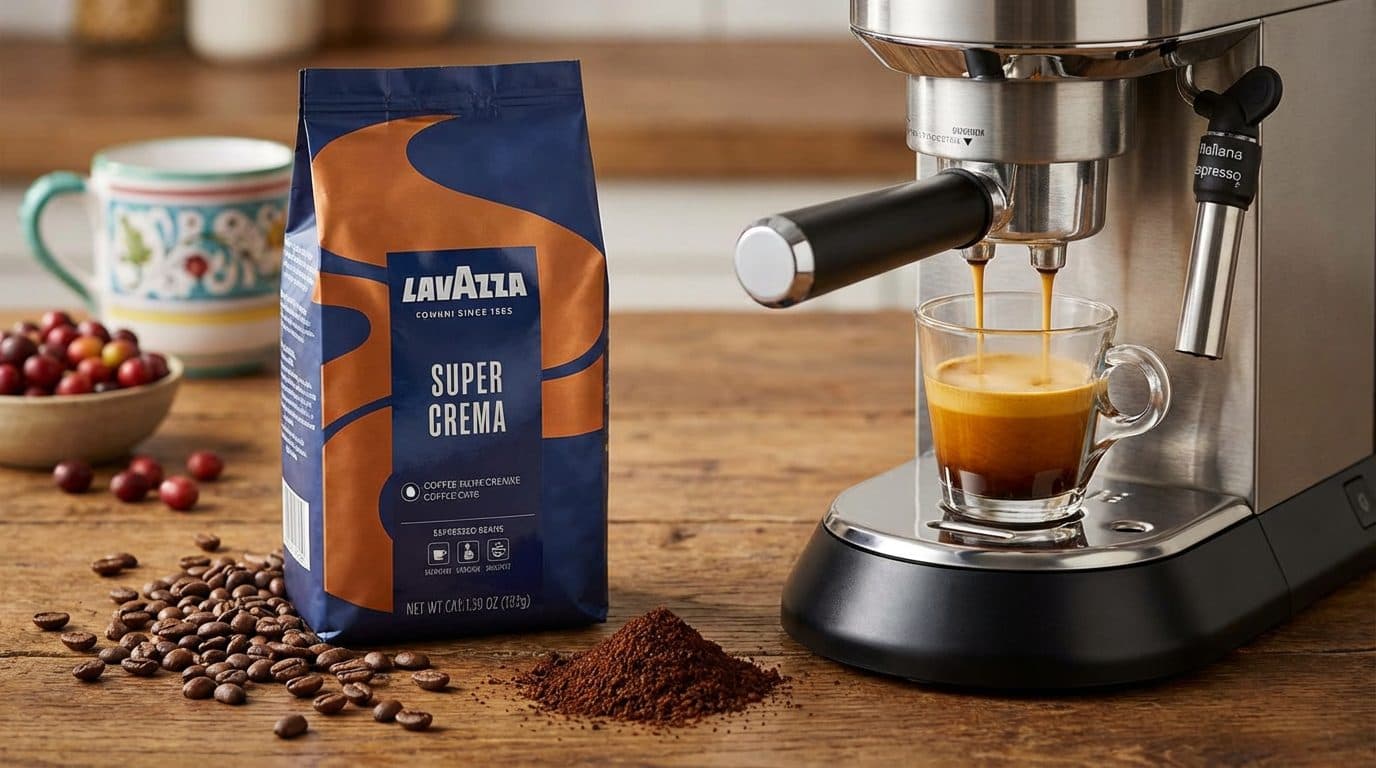
This Italian staple has earned its reputation. The blend combines Arabica beans from Brazil and Colombia with a touch of Indonesian beans, creating a mild, creamy espresso with remarkable crema production.
Pros:
- Exceptional crema thickness and longevity
- Smooth, low-acidity flavor profile
- Widely available in grocery stores and online
- Consistent quality batch to batch
- Very reasonably priced for the quality
Cons:
- Flavor lacks complexity for experienced palates
- Not single-origin or specialty grade
- Pre-ground options lose freshness quickly
Who is this for? Home baristas who want reliable, crowd-pleasing espresso with Instagram-worthy crema without breaking the bank.
Who is this NOT for? Coffee enthusiasts seeking unique flavor profiles or third-wave specialty coffee experiences.
Taste Profile: Mild, nutty, hints of honey, low acidity, smooth finish.
Illy Classico Medium Roast
Illy’s blend uses 100% Arabica from nine different growing regions, yet still produces impressive crema through careful selection and roasting techniques. The pressurized cans preserve freshness exceptionally well.
Pros:
- Perfectly balanced flavor with floral and fruity notes
- Pressurized packaging maintains freshness
- Produces dense, reddish-brown crema
- Extremely consistent quality control
Cons:
- Premium pricing
- Some find it too mild for milk-based drinks
- Limited variety in roast levels
Who is this for? Those who appreciate refined, nuanced espresso and don’t mind paying for quality and consistency.
Who is this NOT for? Fans of bold, dark-roasted, punch-you-in-the-face espresso.
Taste Profile: Delicate, caramel sweetness, light floral notes, clean finish.
Intelligentsia Black Cat Classic Espresso
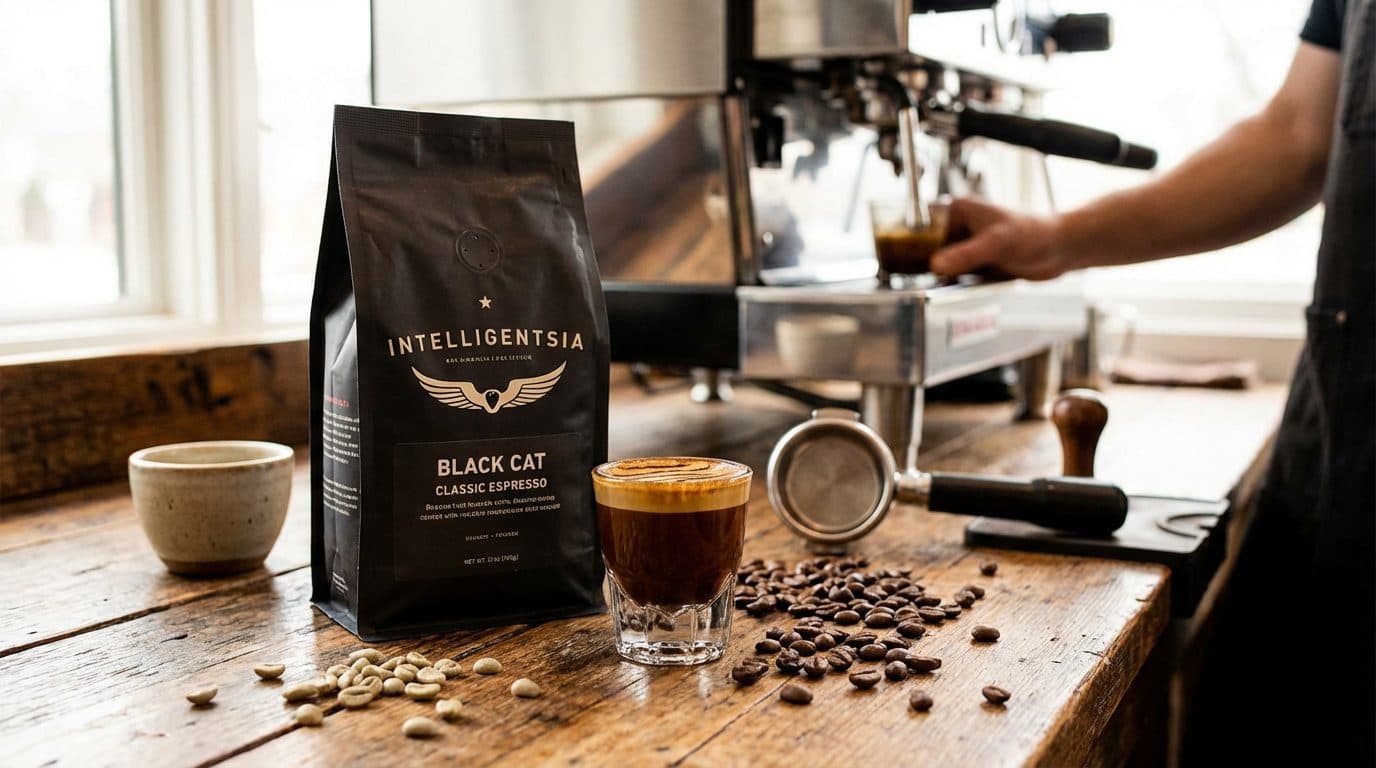
This specialty roaster’s flagship espresso blend showcases what happens when quality meets craftsmanship. The combination of seasonal beans from multiple origins creates complex flavor while still delivering substantial crema.
Pros:
- Complex, evolving flavor profile
- Produces thick, tiger-striped crema
- Roasted to order for maximum freshness
- Ethically sourced, direct trade relationships
Cons:
- Higher price point than supermarket options
- Flavor profile changes seasonally (some see this as a pro)
- Requires decent espresso equipment to shine
Who is this for? Enthusiasts ready to explore specialty coffee while still wanting that crema satisfaction.
Who is this NOT for? Those seeking a consistent, never-changing flavor profile year-round.
Taste Profile: Milk chocolate, stone fruit, syrupy body, sweet finish.
Café Bustelo Espresso Dark Roast
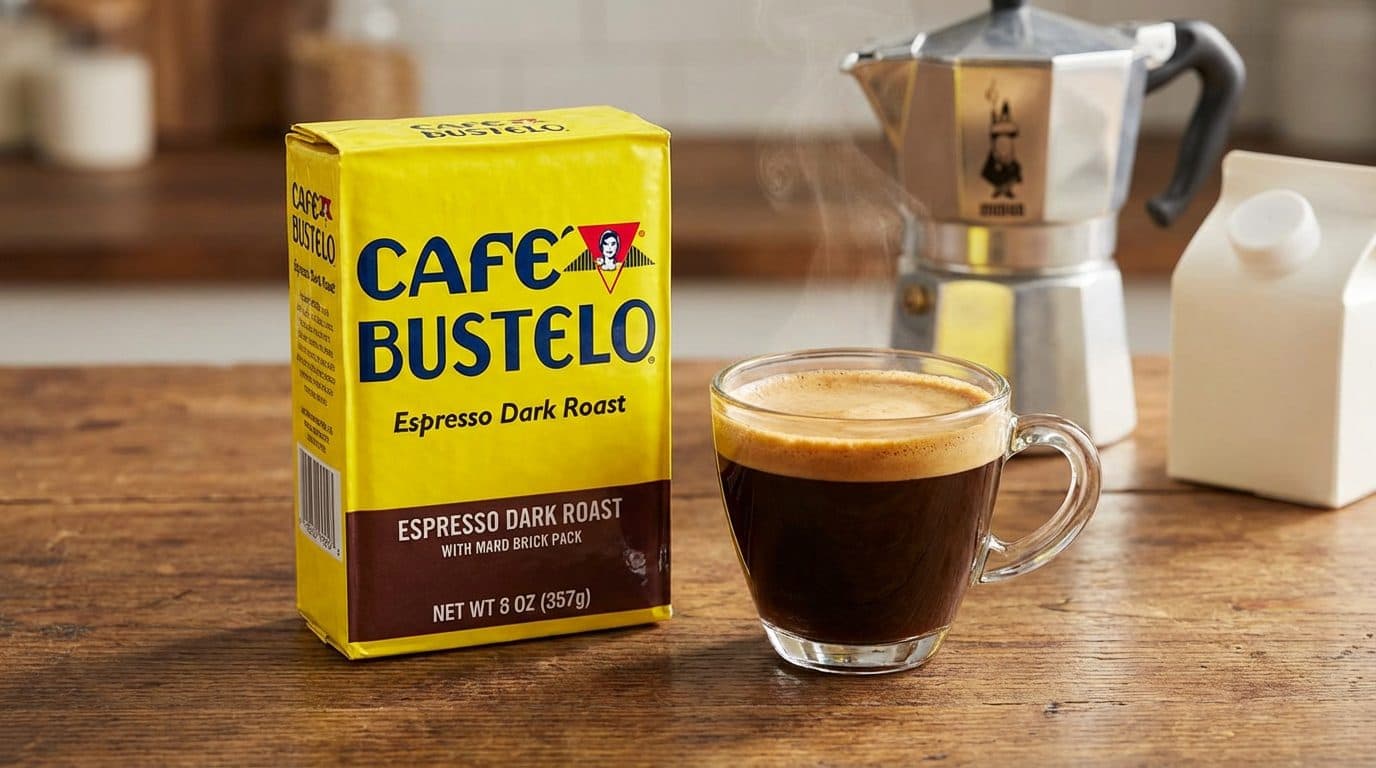
Don’t let the budget price fool you. This Cuban-style coffee has a devoted following for good reason. The blend includes Robusta beans, which contributes to surprisingly robust crema production at a fraction of the cost.
Pros:
- Incredibly affordable
- Strong crema production due to Robusta content
- Bold flavor stands up well in milk drinks
- Available virtually everywhere
Cons:
- Can taste bitter without proper technique
- Pre-ground only (no whole bean option widely available)
- Higher caffeine content might be too intense for some
Who is this for? Budget-conscious home baristas and fans of strong, traditional-style espresso.
Who is this NOT for? Those sensitive to bitterness or seeking subtle, delicate flavors.
Taste Profile: Bold, smoky, bittersweet chocolate, high intensity.
Comparison: Which Crema-Heavy Blend is Right for You?
| Blend | Crema Quality | Flavor Intensity | Price Range | Best For |
|---|---|---|---|---|
| Lavazza Super Crema | Excellent | Mild-Medium | $$ | Everyday espresso, beginners |
| Illy Classico | Very Good | Mild | $$$ | Straight shots, refined palates |
| Intelligentsia Black Cat | Excellent | Medium | $$$ | Specialty coffee lovers |
| Café Bustelo | Good | Bold | $ | Budget brewing, strong coffee fans |
Tips for Maximizing Crema with Any Coffee
Even the best crema-focused beans won’t perform if your technique is off. Here are practical adjustments that make a real difference.
Freshness is Non-Negotiable
Buy whole beans and grind immediately before brewing. In my experience, even the finest pre-ground coffee can’t match mediocre beans ground fresh. Aim to use beans within 2-4 weeks of their roast date for optimal crema.
Barista Tip: Store beans in an airtight container away from light and heat. Skip the freezer—the moisture fluctuations do more harm than good for espresso beans.
Dial In Your Grind Size
Grind too coarse and water rushes through, producing watery espresso with minimal crema. Grind too fine and you’ll get over-extracted, bitter shots with burnt-tasting crema. The sweet spot creates 25-30 second extraction times for a double shot.
Temperature and Pressure Matter
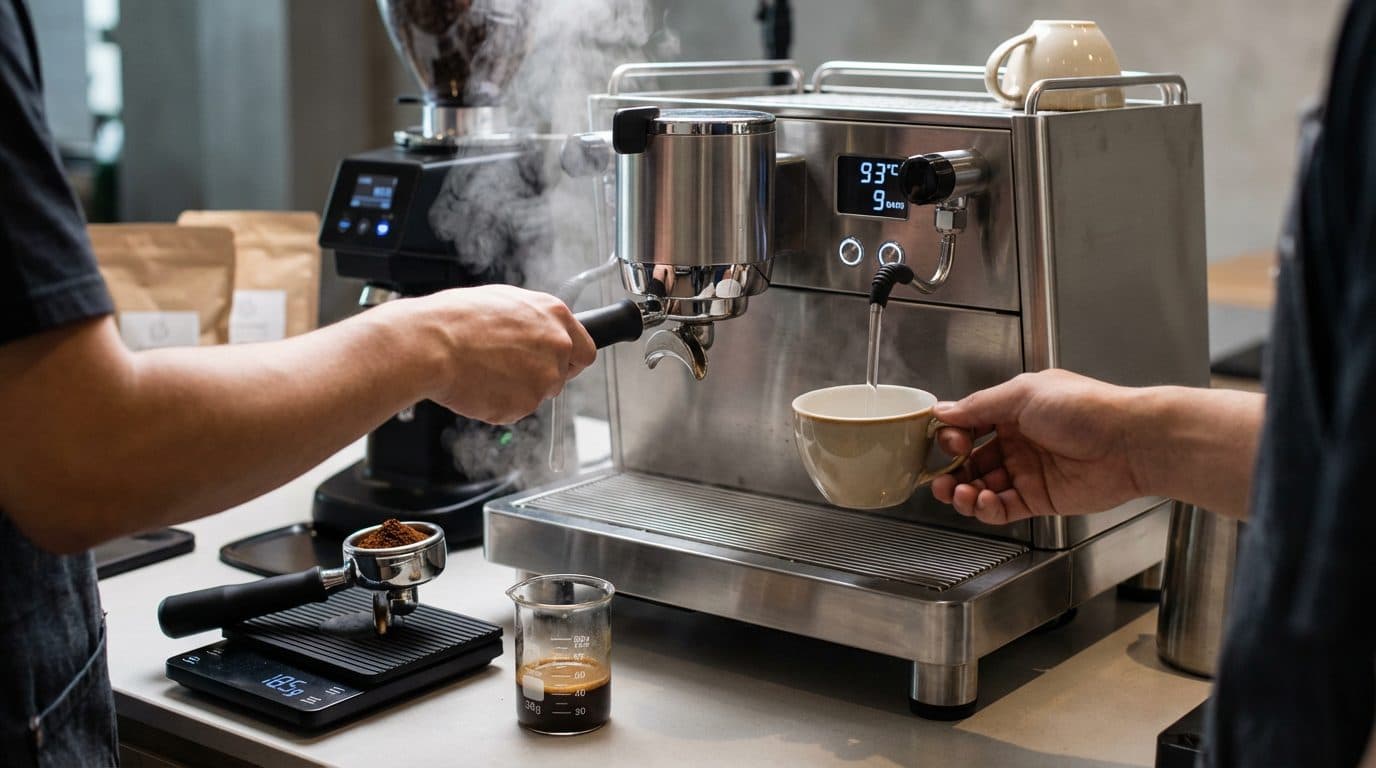
Your machine should be fully heated before pulling shots. Cold portafilters and group heads rob heat from the brewing process, affecting crema formation. I always pull a blank shot (water only) to preheat the portafilter before my actual espresso.
- Optimal brewing temperature: 195-205°F (90-96°C)
- Ideal pressure: 9 bars
- Dose: 18-20g for a double shot
- Yield: Approximately 36-40g of liquid espresso
Don’t Forget the Tamp
Apply consistent, level pressure—approximately 30 pounds of force. Uneven tamping creates channels where water bypasses the coffee, resulting in uneven extraction and disappointing crema.
Frequently Asked Questions
Does crema actually affect the taste of espresso?
Yes, but perhaps not how you’d expect. Crema itself tastes quite bitter on its own. However, it traps aromatic compounds that enhance the overall sensory experience and contributes to the mouthfeel and texture of well-made espresso. Think of it as the “nose” of your shot—it carries much of the aroma that makes espresso so appealing.
Why does my crema disappear so quickly?
Quick-fading crema usually points to one of three issues: stale beans (the most common culprit), grind that’s too coarse, or water temperature that’s too low. Start by checking your bean freshness—if they’re more than a month past roast date, that’s likely your problem. Also, dirty equipment can affect crema stability, so keep your machine clean.
Can I get good crema from single-origin coffee?
Absolutely, though it requires some experimentation. Single-origin coffees from Brazil and Sumatra tend to produce more crema due to their natural processing methods and lower acidity. Light-roasted African coffees, while delicious, typically produce thinner crema layers. If crema is your priority with single-origin, look for medium-roasted naturals or honey-processed beans.
Is darker roast always better for crema?
Not necessarily. While very dark roasts have more surface oils, they’ve also released more CO2 during the extended roasting process. Medium to medium-dark roasts often produce the most consistent, long-lasting crema. Extremely dark, oily beans can actually cause problems with grinders and may produce crema that looks good initially but breaks down rapidly.
Do espresso machines affect crema quality?
Significantly. Machines that maintain consistent 9-bar pressure and stable brewing temperatures produce superior crema. Entry-level machines with pressurized portafilters create “artificial” crema that looks good but lacks the complexity of properly extracted crema. If upgrading your beans doesn’t improve your crema, your machine might be the limiting factor.
Final Thoughts and Recommendations
Chasing perfect crema is a worthy pursuit for any home barista. The right coffee makes a substantial difference, but remember that crema alone doesn’t guarantee great espresso—it’s one piece of the puzzle. That said, there’s something undeniably satisfying about watching thick, tiger-striped crema pool on top of your freshly pulled shot.
For most home brewers, I recommend starting with Lavazza Super Crema. It’s forgiving, affordable, and delivers on its promise. Once you’ve mastered the basics, explore specialty options like Intelligentsia Black Cat to discover more nuanced flavors while still enjoying impressive crema.
Life is too short for bad coffee—and thin crema. By choosing the right beans and dialing in your technique, you’re well on your way to espresso that looks and tastes like it came from your favorite café. Now go pull some shots and enjoy the results.



Comments