


Table of Contents
- What Is Sparkling Coffee?
- The Science Behind the Fizz
- Choosing Coffee for Carbonation
- Roast Level
- Origin and Processing
- Brewing Method for Your Base
- Three Ways to Make Sparkling Coffee at Home
- Method 1: Mix Cold Brew with Sparkling Water
- Method 2: Use a SodaStream or Carbonation Machine
- Method 3: Use a Pressure-Rated Soda Siphon
- Sparkling Coffee Recipes
- Classic Sparkling Cold Brew
- Sparkling Coffee Tonic
- Sparkling Vanilla Cream Coffee
- Citrus Coffee Spritz
- Common Mistakes
- Using Warm Coffee
- Over-Carbonating
- Choosing Bitter Coffee
- Making It Too Early
- Frequently Asked Questions
- Does sparkling coffee have more caffeine?
- Can I carbonate hot coffee?
- Is sparkling coffee bad for teeth or digestion?
- Can I add milk?
- Can I bottle sparkling coffee for later?
- Serving Notes That Actually Matter
- Bottom Line
Sparkling coffee works best when you treat it like a cold coffee drink with carbonation, not like regular iced coffee with bubbles thrown in as an afterthought. Start with a smooth chilled base, keep everything cold, and avoid dark, bitter brews. Do that, and the bubbles can make coffee taste crisp, citrusy, and surprisingly refreshing.
The simplest version is cold brew concentrate topped with sparkling water. Directly carbonating coffee can also work, but it is messier and may go against the instructions for many home soda machines. For most people, the better first attempt is the mixed method: concentrated coffee, clean sparkling water, ice, and maybe a little citrus or syrup.
What Is Sparkling Coffee?
Sparkling coffee is coffee served with dissolved carbon dioxide, usually by mixing coffee with sparkling water or by carbonating the coffee itself. The result is lighter than ordinary cold brew and sharper than a flat iced coffee. It sits somewhere between iced coffee, coffee tonic, and a coffee soda.
The drink works because carbonation adds carbonic acid, which gives sparkling drinks their bite. That extra acidity can lift fruity coffee notes, especially in light and medium roasts. It can also make bitterness feel harsher, which is why the base coffee matters.
The Science Behind the Fizz

Carbon dioxide dissolves more readily in cold liquid than warm liquid. That is why chilled coffee and chilled sparkling water keep their fizz longer. Once the drink warms, CO2 escapes quickly and the texture goes flat.
There is also a flavor effect. Carbonic acid adds a mild tang, so a coffee that already tastes smoky, roasty, or bitter may become unpleasant. A coffee with citrus, berry, honey, or floral notes is more likely to taste lively after carbonation.
Useful rule: If the coffee tastes harsh as regular cold brew, carbonation will probably make it worse. Fix the base before adding bubbles.
Choosing Coffee for Carbonation
The best sparkling coffee starts with a clean, sweet, low-bitterness brew. Cold brew concentrate is the easiest base because it has enough strength to survive dilution. Flash-chilled pour-over can taste more delicate, but it demands better brewing control.
Roast Level
Light and medium roasts usually perform best. They keep more origin character and often bring the bright notes that carbonation flatters. Dark roasts can work in sweet coffee soda recipes, but they tend to taste burnt or medicinal when served dry with plain sparkling water.
Origin and Processing
Fruit-forward coffees are the most forgiving bet. Ethiopian naturals, Kenyan coffees, and many Central American lots can taste excellent with bubbles. Washed coffees give a cleaner, tea-like sparkling drink; natural or honey-processed coffees can lean juicier and sweeter.
- Best starting point: Light or medium roast cold brew with citrus or berry notes.
- Good backup: A balanced Colombian or Guatemalan medium roast.
- Risky choice: Very dark, smoky, or oily beans.
Brewing Method for Your Base

For a reliable concentrate, use about 1 part coffee to 5 parts water by weight for cold brew, steeped 12-18 hours in the fridge or at cool room temperature. Strain well. Fine sediment makes sparkling drinks foam more and can leave a gritty finish.
If using espresso, chill it quickly over ice or brew it directly onto a chilled steel cup. Hot espresso poured into sparkling water will foam aggressively and lose aroma fast.
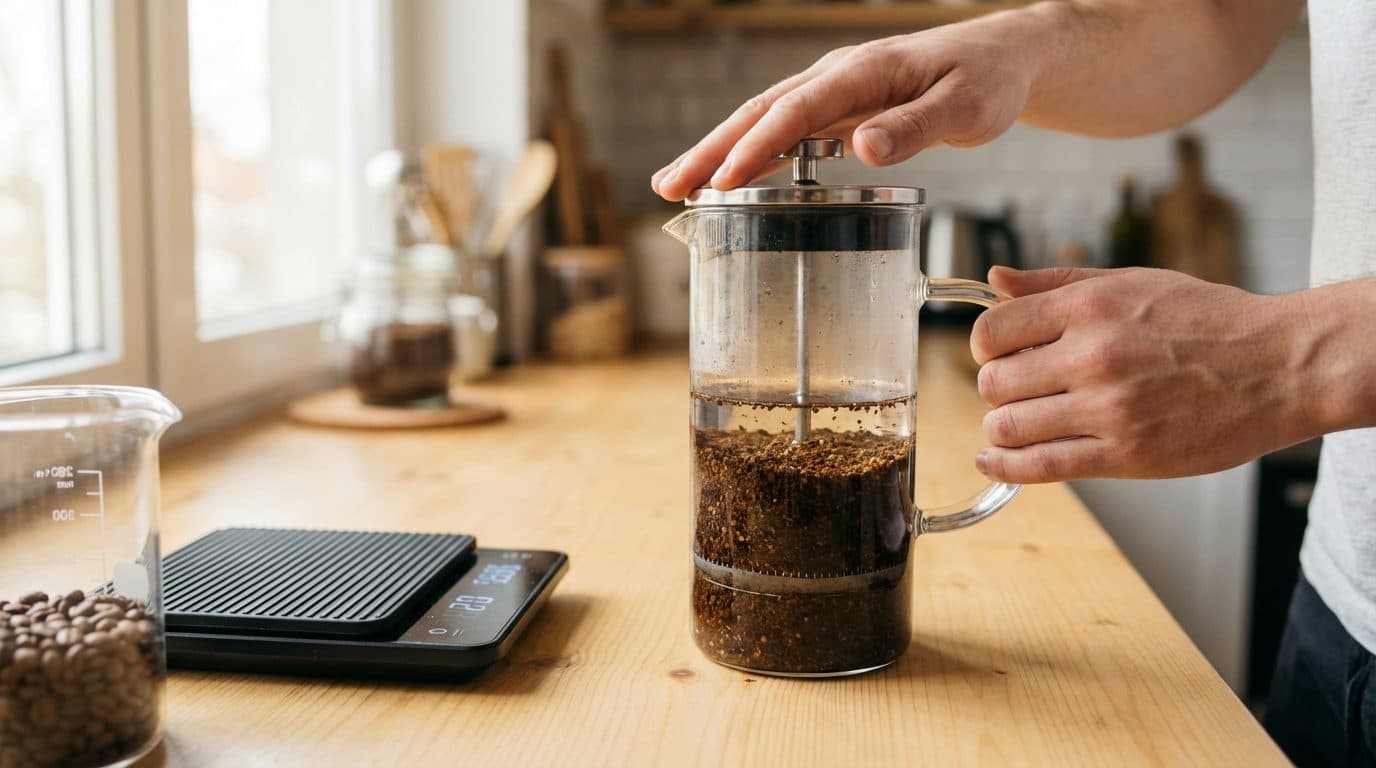
Filtration matters more than people expect. Paper-filtered cold brew, AeroPress coffee, or a well-strained concentrate usually behaves better than a silty French press brew. Tiny particles create nucleation points, which means bubbles rush out of the drink faster. If your glass foams wildly and then goes flat, sediment may be part of the problem.
Three Ways to Make Sparkling Coffee at Home
Method 1: Mix Cold Brew with Sparkling Water
This is the most practical method and the one I recommend first. It is fast, predictable, and does not risk damaging a carbonation machine.
- Fill a tall glass with ice.
- Add 2-3 oz cold brew concentrate.
- Slowly pour in 4-6 oz chilled sparkling water.
- Stir once or twice, gently.
- Taste before adding sweetener; carbonation changes the balance.
Practical tip: Pour sparkling water down the side of the glass. A hard pour knocks out CO2 and leaves you with flat coffee water.
Method 2: Use a SodaStream or Carbonation Machine

Some people carbonate cold coffee directly for a tighter, more integrated fizz. Be careful here: many consumer carbonation brands instruct users to carbonate water only. Coffee oils, sugar, and tiny particles can cause foaming, sticky overflow, and cleaning problems.
If you use a device designed to carbonate more than water, keep the coffee very cold, filter it thoroughly, leave headspace, carbonate in short pulses, and release pressure slowly. Do not carbonate sweetened coffee in a closed bottle unless your equipment explicitly supports it.
Also read your machine manual before trying this. SodaStream’s support guidance, for example, says only water should be carbonated in its sparkling water maker. The concern is not just taste; sticky liquids can overflow into the machine and create a cleaning or pressure-release problem. A dedicated drink carbonator gives more room for experimentation than a basic water-only soda maker.
Method 3: Use a Pressure-Rated Soda Siphon
A soda siphon or drink carbonator that is explicitly rated by the manufacturer for CO2 and carbonated liquids can handle small batches neatly. Do not assume any whipped cream dispenser is appropriate; many are intended for nitrous oxide cream, not coffee carbonation. Follow the manual, stay within fill lines and pressure limits, use cold filtered coffee, release pressure slowly, and never improvise with ordinary sealed bottles.
| Method | Equipment | Best For | Risk Level |
|---|---|---|---|
| Simple mix | Sparkling water | Daily drinks | Low |
| Carbonation machine | Soda maker | Integrated fizz | Medium to high |
| CO2 siphon | Pressure-rated drink siphon | Small experiments | Medium |
Sparkling Coffee Recipes
Classic Sparkling Cold Brew
Ingredients:
- 3 oz cold brew concentrate
- 5 oz plain sparkling water
- Ice
- Optional: 1-2 teaspoons simple syrup
Build over ice, adding sparkling water last. This should taste crisp and coffee-forward, not sugary. If it tastes hollow, use more concentrate. If it tastes sharp, use less concentrate or a smoother coffee.
Sparkling Coffee Tonic

Ingredients:
- 2 oz chilled espresso or strong cold brew
- 4-5 oz tonic water
- Ice
- Orange or lemon peel
Fill the glass with ice, add tonic, then pour coffee slowly over the top. Citrus peel helps connect the bitterness of tonic with the fruit notes in coffee. Use a restrained tonic; heavily perfumed versions can bury the coffee.
Sparkling Vanilla Cream Coffee
Ingredients:
- 3 oz cold brew concentrate
- 4 oz sparkling water
- 1/2 oz vanilla syrup
- 1-2 tablespoons cream or oat cream
- Ice
Mix syrup and cold brew first, add ice, then top with sparkling water. Float the cream last. Stirring cream into an acidic sparkling drink can look messy, so a light float usually gives a better texture.
Citrus Coffee Spritz
Ingredients:
- 2 oz cold brew concentrate
- 4 oz sparkling water
- 1/2 oz orange or grapefruit juice
- 1 teaspoon simple syrup, optional
- Ice and a citrus peel
This version works best with a bright coffee and very cold ingredients. Keep the juice modest; too much makes the drink taste like diluted breakfast juice rather than coffee. The peel adds aroma without adding much extra acidity.
Common Mistakes
Using Warm Coffee
Warm coffee loses carbonation quickly. Chill the coffee, the sparkling water, and preferably the glass. This single habit improves the drink more than any garnish.
Over-Carbonating

More fizz is not always better. Too much carbonic bite can make coffee taste metallic, sour, or thin. Start with moderate sparkling water and adjust from there.
Choosing Bitter Coffee
Carbonation exposes bitter edges. If your drink tastes like burnt citrus peel, switch coffees before blaming the recipe. A lighter roast or a cleaner cold brew usually solves the issue.
Making It Too Early
Sparkling coffee is a build-and-drink beverage. It will not hold like bottled cold brew. Mix it right before serving, especially if guests are involved.
Frequently Asked Questions
Does sparkling coffee have more caffeine?
No. Carbonation does not create caffeine. The amount depends on your base coffee and dilution. Cold brew concentrate can be strong, but adding sparkling water lowers caffeine per ounce.
Can I carbonate hot coffee?
It is technically possible with some equipment, but it is a poor practical choice. Hot liquid does not hold CO2 well and can create pressure and foam problems.
Is sparkling coffee bad for teeth or digestion?

For most people, an occasional unsweetened sparkling coffee is similar to other acidic sparkling drinks. That said, coffee and carbonation can bother people with reflux or sensitivity to acidic beverages. For dental concerns, the American Dental Association notes that frequent exposure to acidic drinks can matter more than one occasional glass, so moderation and not sipping for hours are sensible habits.
Can I add milk?
Yes, but use a small amount and add it last. Dairy can curdle if the coffee is very acidic, and milk reduces fizz. Oat cream or a light cream float is usually cleaner than stirring in a large amount of milk.
Can I bottle sparkling coffee for later?
For home use, I would not. Bottling carbonated coffee safely requires pressure-rated bottles, careful sanitation, and control over sugar and gas levels. It is easier and safer to keep cold brew concentrate in the fridge and mix one glass at a time.
Serving Notes That Actually Matter
The best glass for sparkling coffee is boring in the best way: tall, cold, and full of fresh ice. A warm tumbler steals the fizz before you sit down. If you are making drinks for more than one person, set up the glasses first, then pour coffee and sparkling water last. Treat it like a spritz, not like a batch cocktail.
Sweetness should be adjusted after dilution. Cold brew concentrate can taste sweet and round on its own, then seem sharper once sparkling water stretches it out. Add syrup in small amounts, stir gently, and taste again. A drink that tastes slightly under-sweet at first often becomes more balanced as the ice melts.
If you want a cleaner coffee flavor, skip flavored sparkling water until you know the base works. Lemon, berry, and mineral-heavy waters can clash with coffee bitterness. Plain sparkling water gives you a fair test. Once the coffee, ratio, and chill are right, then tonic, citrus peel, vanilla, or cream become useful accents instead of rescue attempts.
Bottom Line
Sparkling coffee is worth trying if you like cold brew but want something lighter and sharper. Use cold brew concentrate, plain sparkling water, plenty of ice, and a coffee that already tastes sweet and clean. Once that base works, tonic, citrus, vanilla, and cream variations become much easier to tune.

Comments