


Table of Contents
- What Makes Light and Medium Roast Coffee Different?
- Quick Comparison at a Glance
- Flavor Profiles: Light vs Medium Roast Coffee
- Light Roast Flavor Characteristics
- Medium Roast Flavor Characteristics
- Caffeine Content: Does Roast Level Matter?
- Which Roast Is Easier to Brew for Beginners?
- Light Roast Brewing Considerations
- Medium Roast Brewing Considerations
- How Your Current Coffee Preferences Affect Your Choice
- Choose Medium Roast First If You:
- Choose Light Roast First If You:
- Cost and Availability: Practical Considerations
- Frequently Asked Questions
- Is light roast coffee stronger than medium roast?
- Can I add milk and sugar to light roast coffee?
- Why does light roast taste sour sometimes?
- How should I store my coffee beans as a beginner?
- Should I buy whole beans or pre-ground coffee?
- Conclusion: The Best First Coffee for Beginners
Light roast and medium roast can look like a small choice on a coffee bag, but for a beginner it changes the whole first impression. One bag may taste bright, fruity, and a little sharp. Another may taste rounder, sweeter, and closer to the coffee you already know. Neither is automatically better. The better first buy depends on how you drink coffee, what gear you have, and how much patience you want to spend dialing in a cup.
For most new home brewers, medium roast is the safer starting point. It is usually easier to brew well, easier to pair with milk, and less likely to punish small mistakes with sourness. Light roast is worth trying early if you enjoy tea, wine, fruit-forward flavors, or black coffee and you are willing to adjust grind, water temperature, and recipe. The smart move is not choosing a side forever. It is choosing the roast that gives you the best first week.
What Makes Light and Medium Roast Coffee Different?
Roast level describes how far the coffee has been roasted, not how strong or fancy it is. Light roast is stopped earlier, usually around the early stage after first crack. Medium roast spends more time in the roaster, developing more caramelized sugars and a deeper brown color before it reaches darker roast territory.
Light roast keeps more of the coffee's origin character. If the bean was grown in a region known for citrus, berry, floral, or tea-like flavors, a light roast is more likely to show those traits. It often has higher perceived acidity and a lighter body.
Medium roast keeps some origin character but adds more roast-developed flavor. Think chocolate, nuts, caramel, toast, and brown sugar. The acidity is usually calmer, the body feels fuller, and the cup tends to taste more familiar to people coming from grocery-store or cafe coffee.
Quick Comparison at a Glance

- Light roast: brighter, more acidic, often fruity, floral, citrusy, or tea-like.
- Medium roast: smoother, rounder, often chocolatey, nutty, caramel-like, or toasted.
- Body: light roast often feels thinner; medium roast usually feels fuller.
- Beginner forgiveness: medium roast usually gives better results with basic gear.
- Best first use: light roast for curious black-coffee drinkers; medium roast for everyday comfort.
Flavor Profiles: Light vs Medium Roast Coffee
Flavor is the part people argue about, and it is also the part where labels can mislead you. A light roast is not guaranteed to taste like blueberries and jasmine. A medium roast is not guaranteed to taste like chocolate. The origin, processing method, freshness, grinder, water, and brewer all matter. Roast level simply pushes the cup in a direction.
Light Roast Flavor Characteristics
Light roast coffee is where origin flavors are easiest to notice. A good one can taste lively and specific: lemon, peach, berry, honey, flowers, black tea, or fresh herbs. That brightness is what coffee people often call acidity. It should feel clean and pleasant, not harsh.
The risk is that light roast can taste sour, thin, or underdeveloped when brewed carelessly. If your water is too cool, the grind is too coarse, or the brew time is too short, the cup may taste more like lemon peel than balanced coffee. That does not always mean the beans are bad. It may mean the recipe needs work.
Medium Roast Flavor Characteristics
Medium roast usually lands closer to what beginners expect from coffee. You may get milk chocolate, roasted nuts, caramel, brown sugar, or a gentle fruit note in the background. It is less likely to shock someone who has mostly had diner coffee, pods, or pre-ground blends.
Medium roast also handles milk and sugar better. Cream can flatten the delicate notes in many light roasts, but it usually fits naturally with a medium roast. If your normal cup includes oat milk, half-and-half, or a little sweetener, medium roast gives you more room to enjoy the coffee without feeling as if you are wasting subtle flavors.
Caffeine Content: Does Roast Level Matter?

Do not buy light or medium roast because someone told you one has dramatically more caffeine. The difference is usually smaller than people think. When coffee is measured by weight, light and medium roasts are broadly similar in caffeine. When measured by scoop, light roast can contain a little more because the beans are denser.
In daily life, serving size and coffee species matter more. A big mug has more caffeine than a small mug. A canephora-heavy blend has more caffeine than a typical arabica coffee. A strong recipe has more caffeine than a weak one. Roast level is not the main lever.
If caffeine sensitivity is your concern, choose smaller servings, try decaf or half-caff, and avoid late-day cups. If flavor is your concern, choose based on taste, not caffeine myths.
Which Roast Is Easier to Brew for Beginners?
Medium roast usually wins on ease. That does not mean light roast is only for experts. It means light roast has a narrower comfort zone. Beginner gear often has uneven water temperature, inconsistent grind, and vague measurements. Medium roast tends to survive those problems better.
Light Roast Brewing Considerations
Light roast beans are denser and often need more extraction. In plain terms, water has to work harder to pull out enough sweetness and body. If you use a weak drip machine, a blade grinder, or very coarse pre-ground coffee, light roast can easily taste sharp.
- Use hot water, often around 200-205°F if your brewer allows control.
- Grind a little finer than you would for a darker roast, while avoiding clogging.
- Measure coffee and water instead of guessing with a random scoop.
- Expect a few test cups before the flavor becomes balanced.
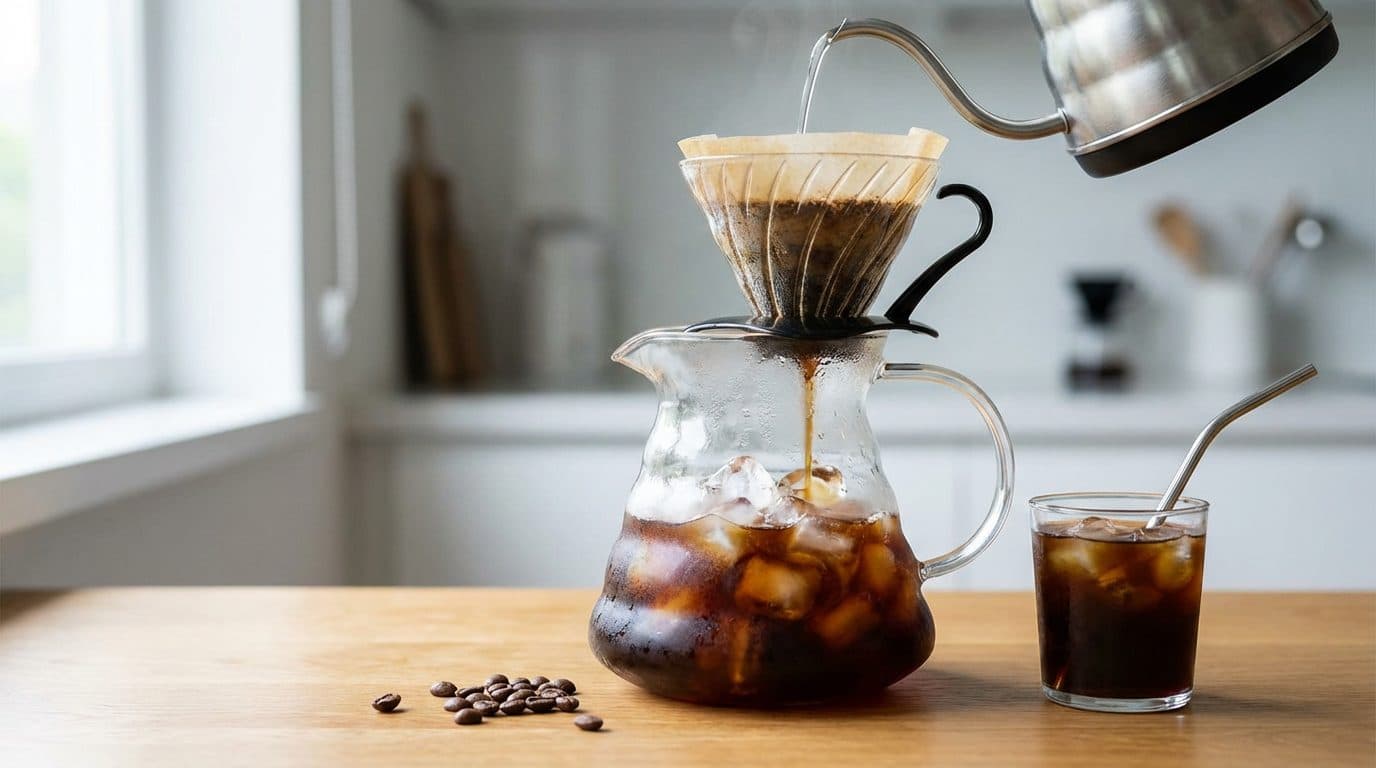
A light roast can be excellent in a pour-over, AeroPress, or a good automatic brewer. It is less predictable in very cheap drip machines that underheat water.
Medium Roast Brewing Considerations
Medium roast is more flexible. French press, drip coffee, pour-over, moka pot, AeroPress, and basic single-serve setups can all make a decent cup if the beans are fresh and the recipe is reasonable. It still benefits from a good grinder and clean water, but it is not as fussy.
- It tolerates a wider range of water temperatures.
- It works better with pre-ground coffee than light roast usually does.
- It tastes acceptable with milk, sugar, or plain black.
- It is easier to diagnose: too bitter, grind coarser; too weak, use more coffee or grind finer.
For a first bag, that forgiveness matters. You learn faster when the coffee is drinkable enough to compare day to day.
How Your Current Coffee Preferences Affect Your Choice

Your current habits are not a flaw to outgrow. They are useful data. A person who drinks coffee black and enjoys tart fruit may love a washed Ethiopian light roast. A person who wants a reliable morning mug with milk may be happier with a Colombian or Central American medium roast.
Choose Medium Roast First If You:
- Usually drink coffee with milk, cream, oat milk, or sugar.
- Want a cup that tastes familiar rather than surprising.
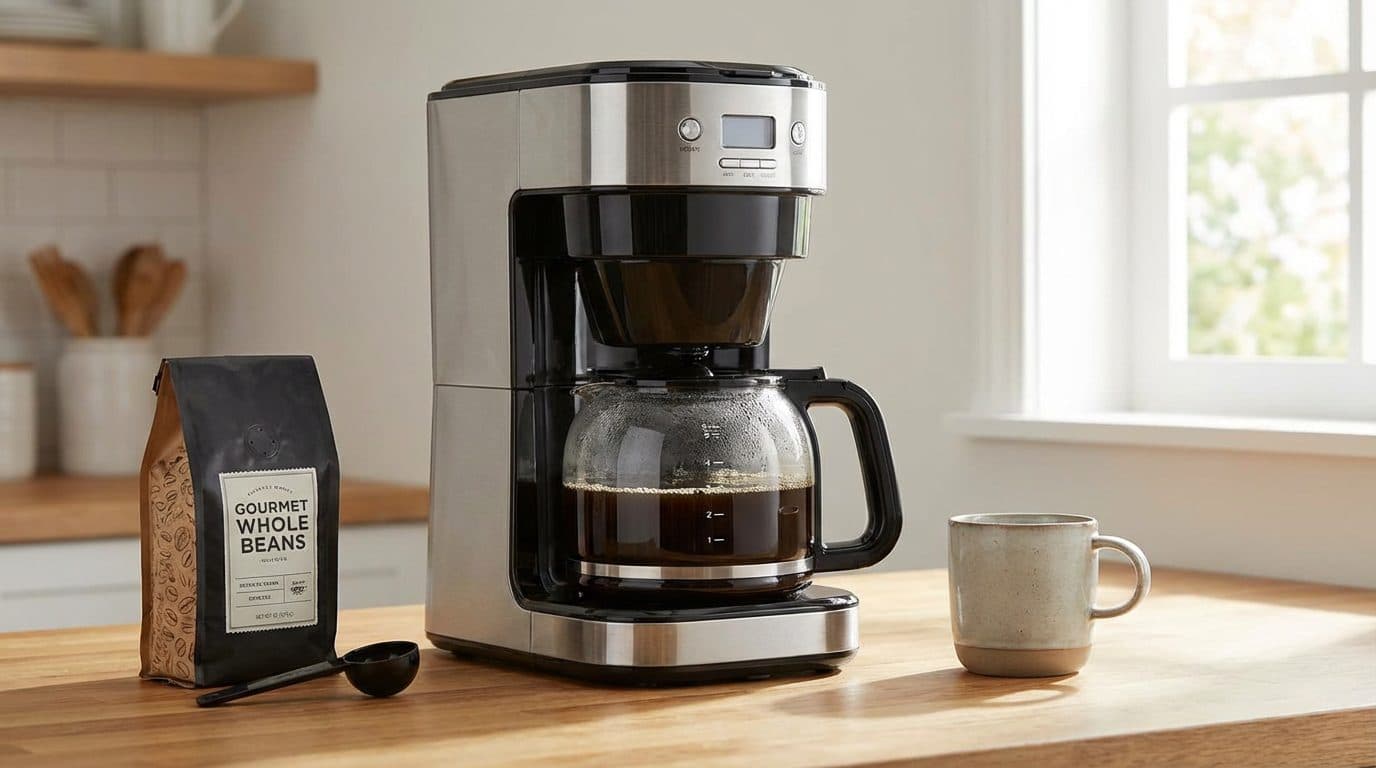
- Use a basic drip machine, pod-style brewer, or pre-ground coffee.
- Prefer chocolate, nutty, caramel, or toasted flavors.
- Are buying one bag for daily use and do not want a learning curve.
Medium roast is the practical bridge. It can introduce better beans and fresher coffee without making your first specialty bag taste like a science project.
Choose Light Roast First If You:
- Drink coffee black or with very little added.
- Enjoy tea, wine, cider, craft beer, or fruit-forward flavors.
- Have a burr grinder or are willing to buy beans ground for your exact brewer.
- Want to taste differences between origins more clearly.
- Do not mind adjusting your recipe if the first cup tastes too sharp.
Light roast is the better first choice for curiosity. Just avoid judging all light roast from one badly brewed bag. A sour cup may be a recipe problem, not proof that light roast is wrong for you.
Cost and Availability: Practical Considerations

Medium roast is easier to find at every price point. Local roasters, grocery stores, subscriptions, and online shops almost always carry several. That makes it easier to buy a small bag, compare brands, and avoid overpaying before you know your preferences.
Light roast is also widely available in specialty coffee, but the best examples can cost more because they often come from carefully sourced single-origin lots. That does not mean every expensive light roast is great or every affordable medium roast is basic. Freshness, roast date, and the roaster's skill still matter.
For a first purchase, buy a smaller bag from a roaster that prints the roast date. If possible, ask for a medium roast with chocolate or nut notes and a light roast with citrus or berry notes. Brew both with the same method for a fair comparison.
Frequently Asked Questions
Is light roast coffee stronger than medium roast?
Only if by stronger you mean brighter or more intense in flavor. Light roast can taste sharper and more fragrant, while medium roast often tastes fuller and more classic. In caffeine terms, the difference is usually small when measured by weight.
Can I add milk and sugar to light roast coffee?
Yes. Coffee rules are not moral rules. The tradeoff is that milk and sugar can cover the floral, fruity, or tea-like notes that make light roast interesting. If you know you will add a lot of milk, medium roast is usually a better match.
Why does light roast taste sour sometimes?
Light roast can taste sour when it is under-extracted. Common causes are water that is too cool, coffee ground too coarse, too little coffee contact time, or a weak brewer. Try hotter water, a finer grind, or a slightly longer brew before blaming the roast.
How should I store my coffee beans as a beginner?
Keep beans in an airtight container or the original resealable bag, away from heat, sunlight, and moisture. A cabinet is usually better than the refrigerator. Buy amounts you can finish within a few weeks of opening.
Should I buy whole beans or pre-ground coffee?

Whole beans are better if you own a burr grinder or plan to buy one. Fresh grinding makes roast differences easier to taste. If you do not have a grinder yet, ask a roaster to grind the bag for your brewer and use it promptly. Good pre-ground coffee is better than whole beans ground badly.
Conclusion: The Best First Coffee for Beginners
If you want the least risky first bag, buy medium roast. It is familiar, flexible, and more forgiving with common home brewing setups. It also lets you improve one variable at a time: fresher beans, better water, better measurements, then maybe a grinder.
If you are excited by unusual flavors and drink coffee mostly black, buy light roast too, but treat it as a tasting project. Use a careful recipe and do not panic if the first cup is too bright. Light roast rewards attention more than it rewards guesswork.
The best beginner move is a side-by-side test: one fresh medium roast and one fresh light roast, brewed with the same water and method. Taste them plain first, then with whatever you normally add. Your preference will become obvious faster than any label can explain it.

Comments