


Table of Contents
- Why Coffee Can Actually Support Weight Loss
- Practical Tips to Make Your Coffee Weight-Loss Friendly
- Switch to Black Coffee (Gradually)
- Choose Smarter Add-Ins
- Be Cautious with Coffee Shop Orders
- Timing Your Coffee for Maximum Benefit
- Morning Coffee and Metabolism
- Afternoon Coffee Considerations
- Common Mistakes to Avoid
- Simple Weight-Loss Friendly Coffee Recipes
- Cinnamon Vanilla Iced Coffee
- Mocha Protein Coffee
- Frequently Asked Questions
- Does coffee actually help you lose weight?
- Is it bad to drink coffee on an empty stomach while dieting?
- How many cups of coffee can I drink per day while trying to lose weight?
- Are zero-calorie sweeteners okay to use in coffee?
- What's the worst coffee drink for weight loss?
- Final Thoughts and Your Next Step
Can you still enjoy your morning cup of coffee while working toward your weight loss goals? The short answer is: absolutely. Coffee itself is nearly calorie-free and can even support your metabolism. The problem isn’t the coffee—it’s what we add to it and how we drink it throughout the day. If you’re trying to lose weight but can’t imagine giving up your beloved brew, you’re in the right place.
In this guide, I’ll share practical, real-world tips to help you keep coffee in your routine without sabotaging your progress. From smarter ingredient swaps to timing strategies, you’ll learn how to make coffee work for your weight loss journey, not against it.
Why Coffee Can Actually Support Weight Loss
Before diving into the tips, let’s talk about why coffee isn’t the enemy. Black coffee contains just 2-5 calories per cup. It’s also rich in caffeine, which has been shown to temporarily boost metabolic rate and increase fat oxidation during exercise. In my experience, a cup of coffee before a morning workout genuinely helps me push a little harder.
Coffee also acts as a mild appetite suppressant for many people. That mid-morning cup can help you power through to lunch without reaching for snacks. However, these benefits disappear quickly when you load your coffee with sugar, flavored syrups, and heavy cream.
- Black coffee: approximately 2-5 calories
- Coffee with 2 tablespoons of heavy cream: approximately 100 calories
- Flavored latte from a coffee shop: 250-500+ calories
Barista Tip: The quality of your coffee matters. When you drink better coffee, you’re less tempted to mask the flavor with sweeteners. Invest in freshly roasted beans and you might find you need less “extras” to enjoy your cup.
Practical Tips to Make Your Coffee Weight-Loss Friendly
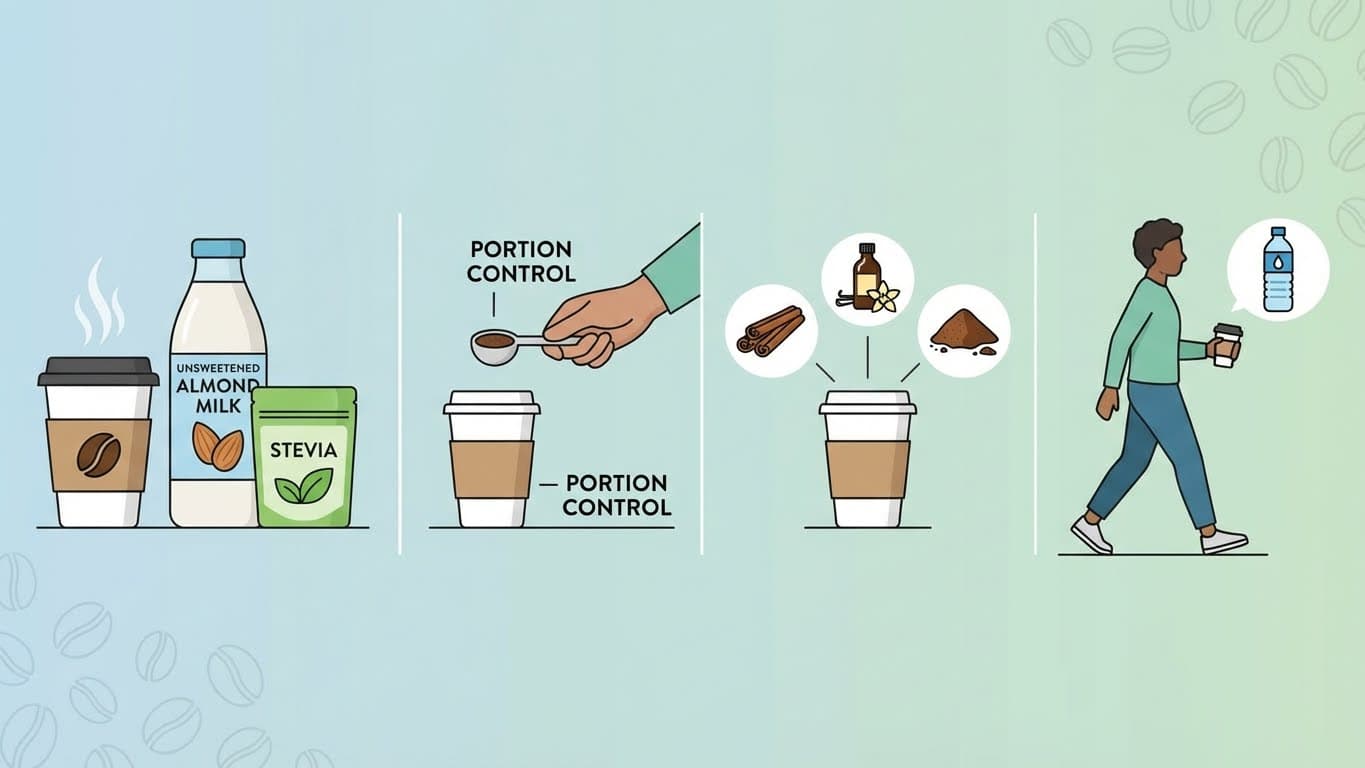
Here’s where we get into the actionable stuff. These are strategies I’ve found work well for people who want to enjoy coffee without derailing their calorie goals.
Switch to Black Coffee (Gradually)
I know, I know—black coffee sounds intimidating if you’re used to sweet, creamy drinks. But here’s the thing: your taste buds adapt. Start by reducing your sugar by half, then half again the following week. Within a month, you’ll likely find your old coffee tastes too sweet.
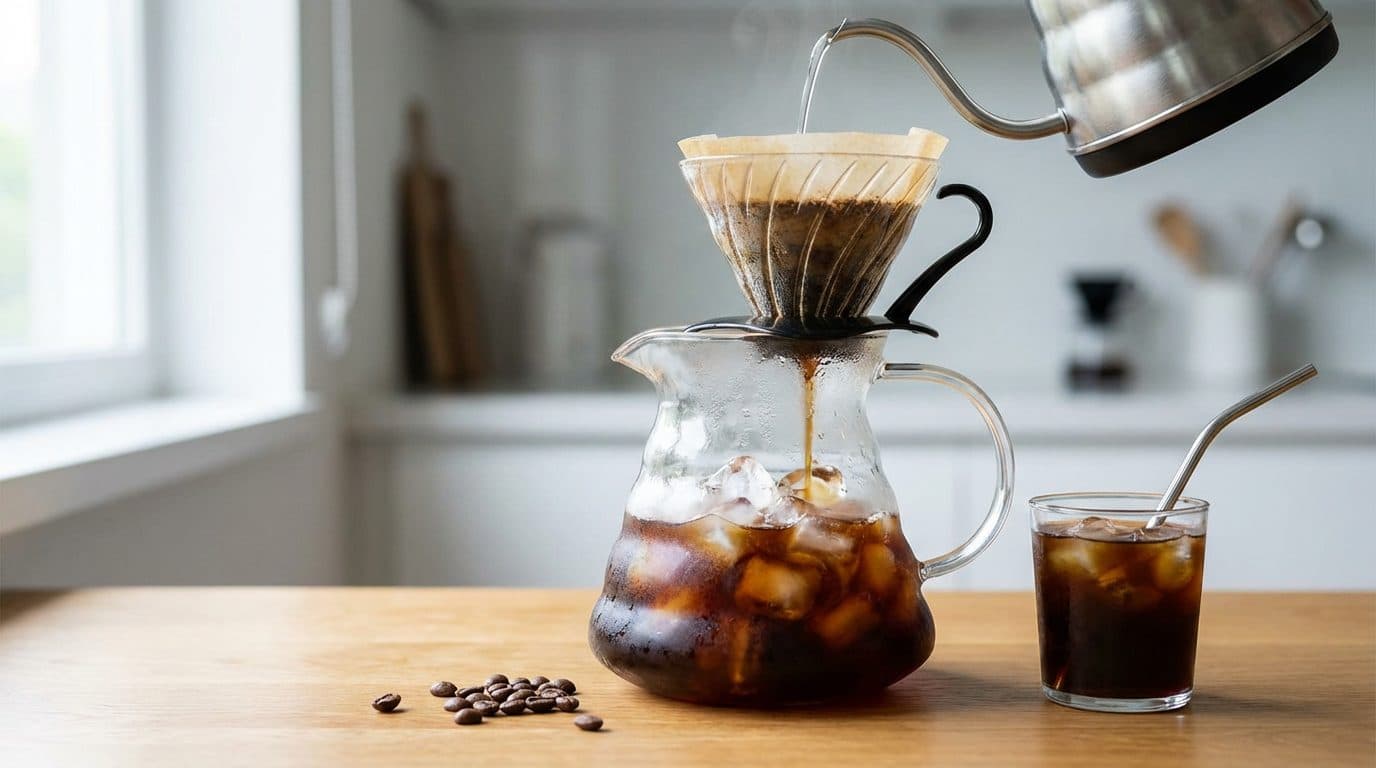
If you’re brewing at home, try a medium roast with naturally sweeter, chocolatey notes. Cold brew is another great option since it’s naturally smoother and less bitter, making it easier to drink without additions.
Choose Smarter Add-Ins
Not ready to go fully black? No problem. There are plenty of lower-calorie alternatives that still make your coffee enjoyable:
- Unsweetened almond milk: About 15 calories per splash versus 50+ for whole milk
- Oat milk (unsweetened): Creamy texture with fewer calories than regular cream
- Cinnamon or cocoa powder: Adds flavor without calories
- Stevia or monk fruit: Zero-calorie sweeteners if you need that sweet taste
- A small amount of vanilla extract: Big flavor impact, minimal calories
One swap I personally love: instead of flavored syrups (which can pack 20+ grams of sugar per pump), I add a dash of cinnamon and a tiny bit of vanilla extract. It tastes like a fancy coffee shop drink without the calorie bomb.
Be Cautious with Coffee Shop Orders
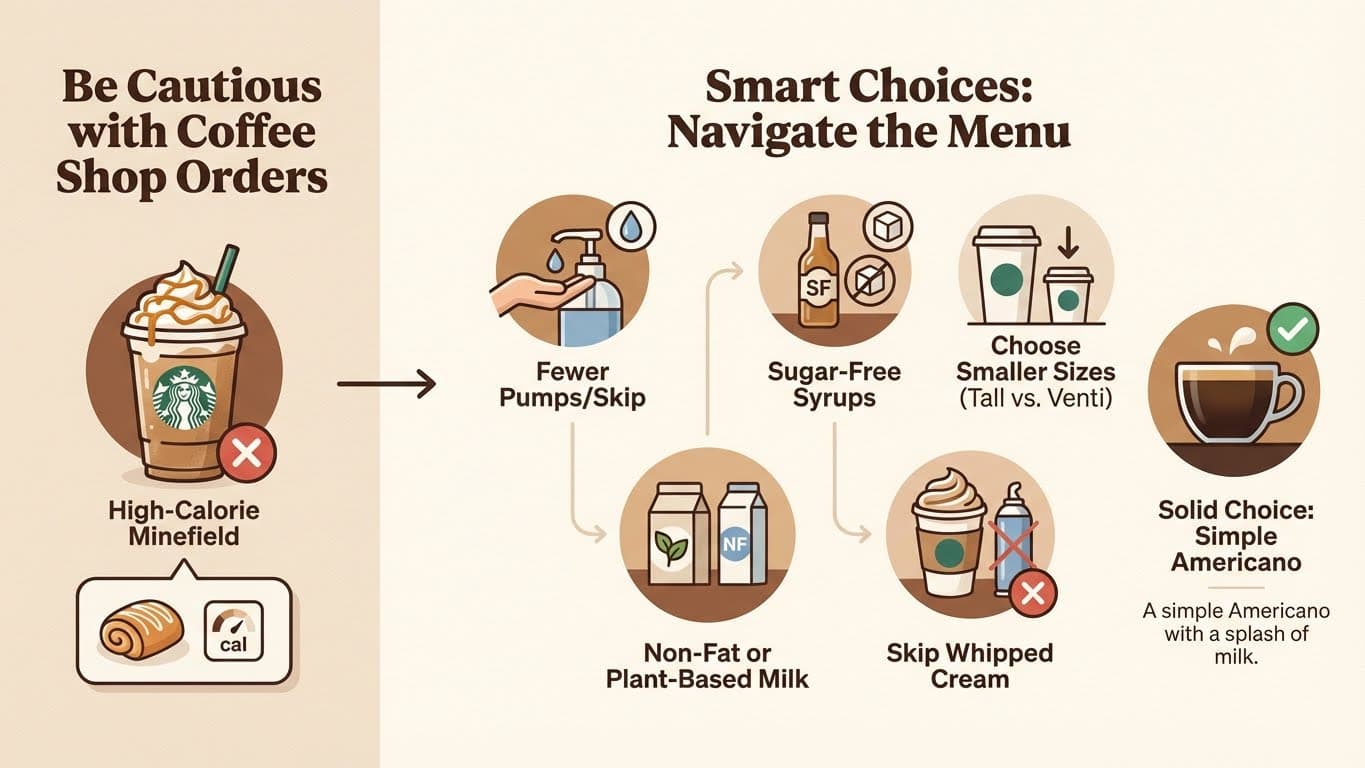
Coffee shops can be a minefield when you’re watching your weight. That innocent-looking caramel macchiato? It might contain more calories than a full meal. Here’s how to navigate the menu:
- Ask for fewer pumps of syrup (or skip them entirely)
- Request sugar-free syrups when available
- Choose smaller sizes—a tall instead of a venti saves significant calories
- Opt for non-fat milk or plant-based alternatives
- Skip the whipped cream
A simple Americano with a splash of milk is a solid choice that won’t break your calorie budget. It’s also usually cheaper than the elaborate drinks.
Timing Your Coffee for Maximum Benefit
When you drink coffee can be just as important as what you put in it. Strategic timing can help you get the most out of your cup while supporting your weight loss efforts.
Morning Coffee and Metabolism
Drinking coffee in the morning, especially before exercise, can enhance fat burning. The caffeine helps mobilize fatty acids from fat tissue, making them available for energy. I’ve found that having coffee about 30 minutes before a workout gives me both the energy boost and the metabolic advantage.
However, avoid drinking coffee on a completely empty stomach if it causes you digestive discomfort. A small, protein-rich breakfast alongside your coffee can help stabilize blood sugar and keep hunger at bay longer.
Afternoon Coffee Considerations
That afternoon slump is real, and coffee can help. But be mindful of two things: first, don’t let afternoon coffee become an excuse for a high-calorie treat. Second, drinking coffee too late can disrupt your sleep—and poor sleep is directly linked to weight gain and increased cravings.
A general rule: try to have your last cup at least 6 hours before bedtime. For most people, that means cutting off caffeine by early to mid-afternoon.
Common Mistakes to Avoid
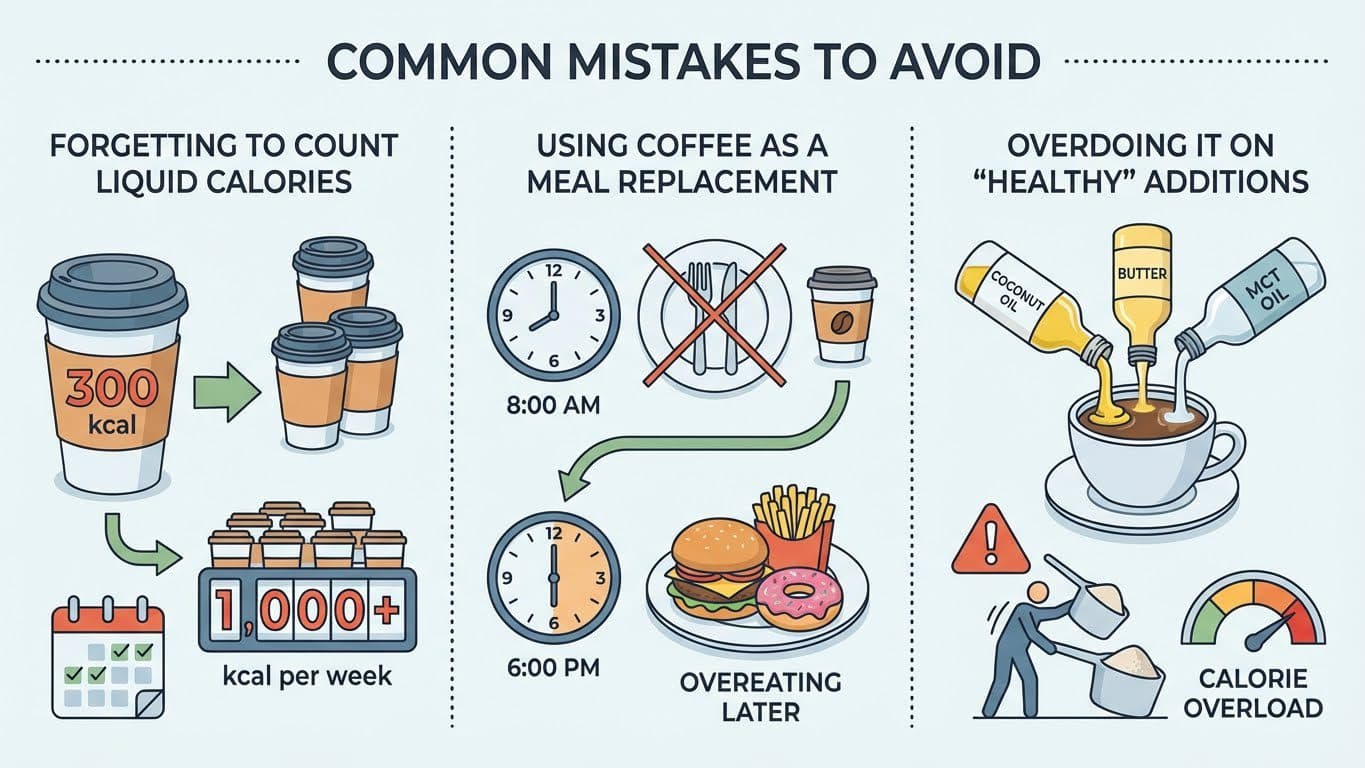
Even with the best intentions, it’s easy to fall into traps that turn your healthy coffee habit into a calorie problem. Here are mistakes I see often:
- Forgetting to count liquid calories: That daily latte adds up. Three 300-calorie drinks per week equals nearly 1,000 extra calories.
- Using coffee as a meal replacement: While coffee can suppress appetite temporarily, skipping meals often leads to overeating later.
- Overdoing it on “healthy” additions: Coconut oil, butter, and MCT oil are trendy, but they’re calorie-dense. A tablespoon of coconut oil adds 120 calories.
- Drinking too much coffee: More than 3-4 cups daily can increase cortisol levels, which may actually promote fat storage, especially around the midsection.
Barista Tip: Keep a simple log of your coffee drinks for one week. You might be surprised at how many hidden calories are sneaking in. Awareness is the first step to making better choices.
Simple Weight-Loss Friendly Coffee Recipes
Here are a few recipes I come back to regularly. They’re satisfying, flavorful, and won’t wreck your calorie goals.
Cinnamon Vanilla Iced Coffee
- 1 cup cold brew or chilled coffee
- 1/4 cup unsweetened almond milk
- 1/4 teaspoon vanilla extract
- Dash of cinnamon
- Ice
Combine everything in a glass, stir well, and enjoy. This comes in at under 20 calories and tastes like a treat.
Mocha Protein Coffee
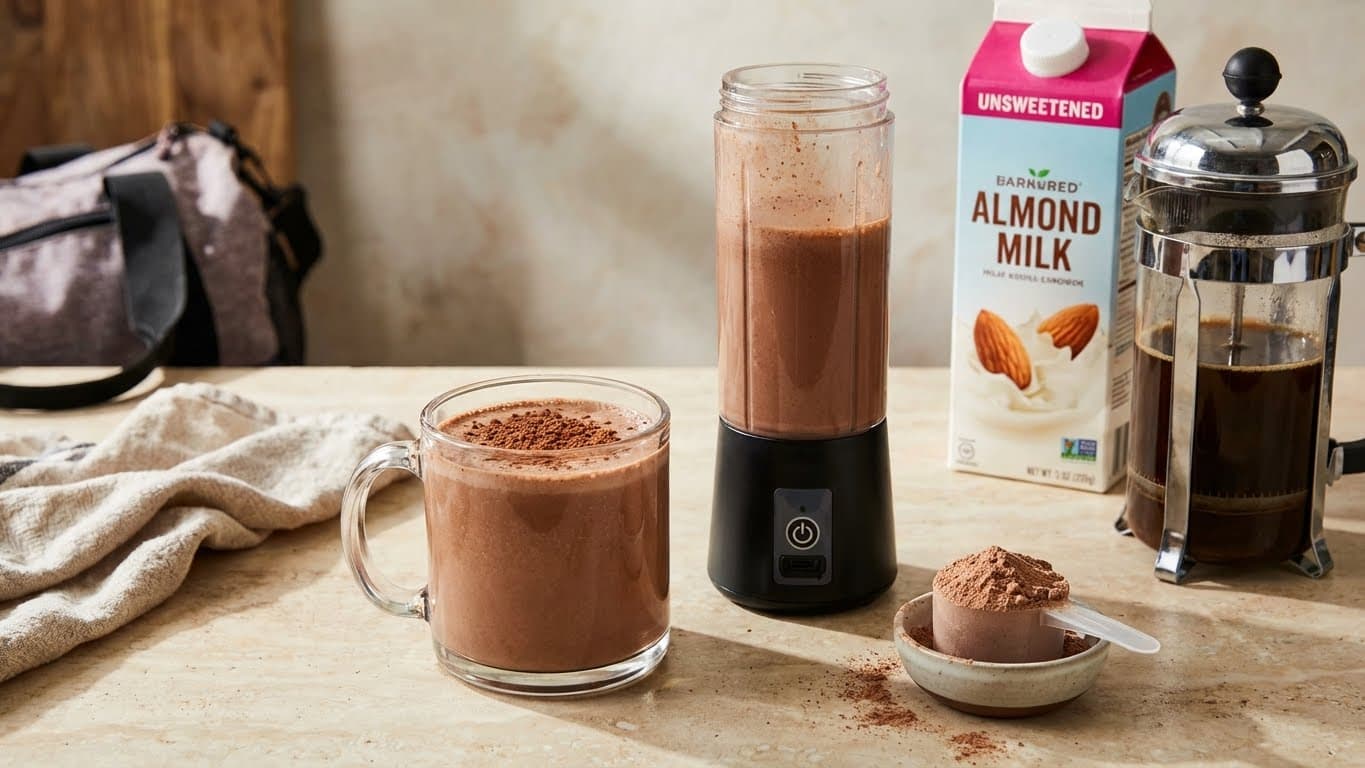
- 1 cup hot coffee
- 1 scoop chocolate protein powder
- 1/2 cup unsweetened almond milk
Blend until smooth. This gives you a filling, protein-rich drink that satisfies sweet cravings while keeping you full. Great as a post-workout option.
Frequently Asked Questions
Does coffee actually help you lose weight?
Coffee can support weight loss indirectly by boosting metabolism and suppressing appetite temporarily. However, it’s not a magic solution. The real benefit comes from drinking it without high-calorie additions and using it as part of an overall healthy lifestyle.
Is it bad to drink coffee on an empty stomach while dieting?
For some people, coffee on an empty stomach causes digestive issues or increases anxiety. If you tolerate it well, it’s generally fine. However, pairing coffee with a small, balanced meal can help prevent energy crashes and overeating later in the day.
How many cups of coffee can I drink per day while trying to lose weight?
Most health guidelines suggest up to 400mg of caffeine daily is safe for most adults—that’s roughly 3-4 cups of regular coffee. Staying within this range helps you avoid negative effects like increased cortisol, which can work against weight loss.
Are zero-calorie sweeteners okay to use in coffee?
Sweeteners like stevia and monk fruit are calorie-free and generally considered safe. Some people find that artificial sweeteners increase sugar cravings, so pay attention to how your body responds. If they help you enjoy coffee without added sugar, they can be a useful tool.
What’s the worst coffee drink for weight loss?
Blended coffee drinks with whipped cream, flavored syrups, and whole milk are typically the worst offenders. A large frappuccino-style drink can contain 500+ calories and 60+ grams of sugar—more than some desserts.
Final Thoughts and Your Next Step
Coffee and weight loss can absolutely coexist. The key is being intentional about what goes into your cup and how often you’re drinking calorie-heavy versions. Start with one small change this week—maybe swapping your usual creamer for unsweetened almond milk or cutting your sugar in half.
Remember, sustainable weight loss isn’t about perfection. It’s about making slightly better choices consistently. Your coffee ritual doesn’t have to disappear; it just needs a little adjustment. Life is too short for bad coffee, and it’s also too short to stress over every single calorie. Find your balance, enjoy your brew, and keep moving forward.
Note: This article provides general information and should not replace personalized advice from a healthcare professional or registered dietitian, especially if you have specific health conditions or dietary needs.


Comments