


Table of Contents
- Quick Verdict: Silicone Ice Cube Trays Win for Coffee Lovers
- Why Your Ice Cube Tray Actually Matters for Coffee
- Silicone Ice Cube Trays: The Premium Choice
- What Makes Silicone Special
- Pros of Silicone Trays
- Cons of Silicone Trays
- Real-Life Use Case
- Plastic Ice Cube Trays: The Budget-Friendly Option
- Traditional but Functional
- Pros of Plastic Trays
- Cons of Plastic Trays
- Real-Life Use Case
- Silicone vs. Plastic: Head-to-Head Comparison
- Who Should Choose Silicone Trays
- Who Should Choose Plastic Trays
- Bonus Option: Coffee Ice Cube Strategy
- Summary and Final Recommendations
Quick Verdict: Silicone Ice Cube Trays Win for Coffee Lovers
After testing dozens of ice cube trays specifically for coffee applications, silicone ice cube trays come out on top for most home baristas. They release cubes effortlessly, don’t absorb odors, and typically produce larger cubes that melt slower in your precious cold brew. That said, plastic trays still have their place, especially if you’re on a tight budget or need stackable options for limited freezer space.
Why Your Ice Cube Tray Actually Matters for Coffee
Have you ever made the perfect cup of iced coffee, only to watch it turn into watery disappointment within minutes? I’ve been there more times than I care to admit. The culprit isn’t your brewing technique or your beans. It’s those sad, tiny ice cubes melting faster than your motivation on a Monday morning.
The right ice cube tray can genuinely transform your iced coffee experience. Larger cubes mean slower dilution, which means your carefully crafted cold brew maintains its flavor profile from first sip to last. Plus, if you’re freezing coffee itself into cubes (a game-changer, by the way), the material of your tray affects how easily those cubes pop out and whether they pick up funky freezer flavors.
In this comparison, I’ll break down everything you need to know about silicone versus plastic ice cube trays for coffee. We’ll cover durability, ease of use, cube quality, and value for money so you can make the right choice for your home coffee setup.
Silicone Ice Cube Trays: The Premium Choice
What Makes Silicone Special
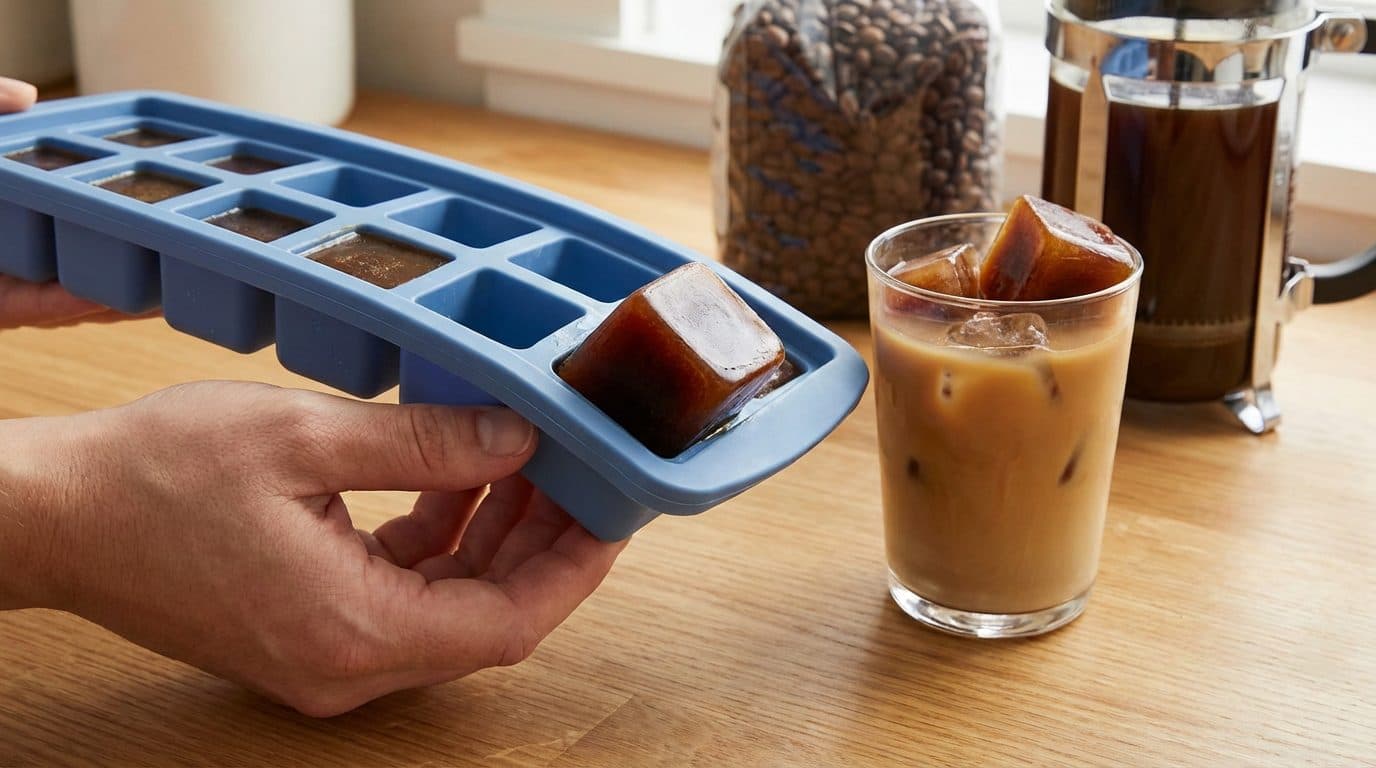
Silicone ice cube trays have become the darling of the coffee community for good reason. The flexible material allows you to pop out cubes with a simple push from the bottom. No more running trays under warm water (which just melts your cubes) or aggressively twisting and cracking.
Food-grade silicone is naturally non-porous, which means it won’t absorb coffee odors or flavors over time. This matters especially if you freeze actual coffee cubes. I’ve found that my silicone trays produce consistently better-tasting frozen coffee than my old plastic ones ever did.
Pros of Silicone Trays
- Effortless cube release – Just push from the bottom and cubes slide right out
- Odor resistant – Won’t absorb coffee or freezer smells
- Larger cube options – Many silicone trays produce 2-inch cubes perfect for iced coffee
- Durable and long-lasting – Won’t crack or break even after years of use
- Dishwasher safe – Easy cleaning without warping
- Temperature resistant – Can handle extreme cold without becoming brittle
Cons of Silicone Trays
- Higher upfront cost – Typically $10-20 compared to $3-5 for plastic
- Flexible structure – Can be tricky to carry to freezer when full without spilling
- Takes up more space – Larger cube trays don’t stack as efficiently
- Slower freezing time – Larger cubes need 4-6 hours to freeze solid
Real-Life Use Case
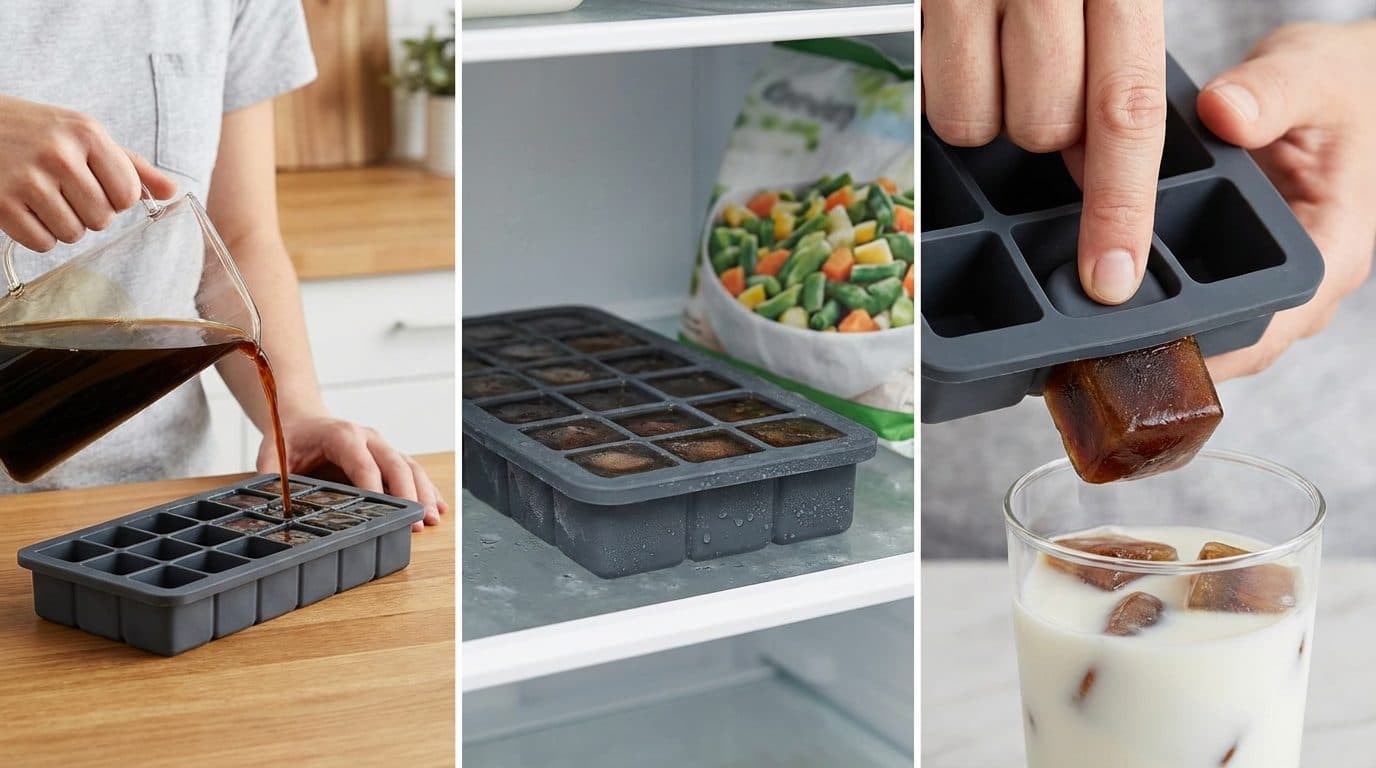
Here’s a typical scenario. You’ve brewed a beautiful batch of cold brew concentrate and want to freeze some into cubes for later. With a silicone tray, you pour in your coffee, carefully transport it to the freezer, wait about 5 hours, then simply push each cube out from below. Clean, easy, and no broken cubes. The coffee cubes themselves won’t taste like last week’s frozen fish sticks either.
| Feature | Silicone Performance |
|---|---|
| Cube Release | Excellent (push from bottom) |
| Odor Absorption | None |
| Typical Cube Size | 1.5 to 2 inches |
| Durability | 5+ years typical lifespan |
| Price Range | $10-25 |
Plastic Ice Cube Trays: The Budget-Friendly Option
Traditional but Functional
Plastic ice cube trays have been around forever, and there’s a reason they’re still in most kitchens. They’re cheap, widely available, and get the job done. For casual iced coffee drinkers who aren’t too fussy about cube size or perfect flavor preservation, plastic trays remain a practical choice.
Modern plastic trays have improved significantly from the flimsy ones our grandparents used. Many now feature improved release mechanisms, lids to prevent spillage and odor absorption, and more durable construction. In my experience, the twist-release style works better than the old push-and-pray method.
Pros of Plastic Trays
- Very affordable – Often under $5 for multipacks
- Stackable design – Great for small freezers
- Rigid structure – Easy to carry when full without spilling
- Faster freezing – Thinner walls transfer cold more efficiently
- Widely available – Found at any grocery or dollar store
- Covered options – Lids help prevent freezer burn and odor pickup
Cons of Plastic Trays
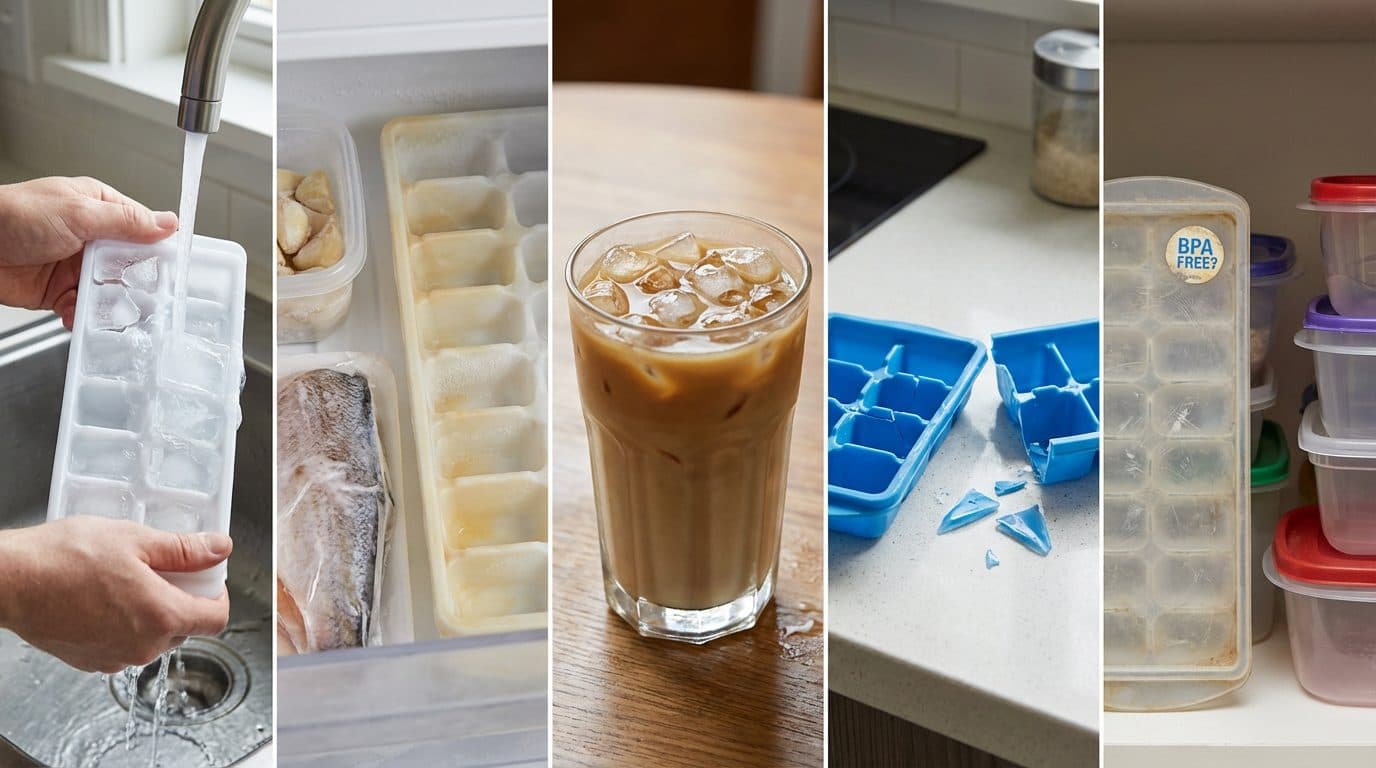
- Difficult cube release – Often requires twisting, running under water, or aggressive techniques
- Odor absorption over time – Can pick up freezer smells that transfer to coffee
- Smaller cube sizes – Standard trays produce cubes that melt quickly
- Durability issues – Can crack, warp, or break with heavy use
- Potential BPA concerns – Older or cheaper plastics may contain unwanted chemicals
Real-Life Use Case
Picture this. You need ice for a quick iced latte before work. You grab your plastic tray, twist it, and half the cubes fly across the counter while the others refuse to budge. Sound familiar? After running it under warm water (melting your cubes by 20%), you finally get enough ice to make your drink. It’s not elegant, but it works in a pinch.
| Feature | Plastic Performance |
|---|---|
| Cube Release | Moderate (twist or run under water) |
| Odor Absorption | Some over time |
| Typical Cube Size | 0.75 to 1 inch |
| Durability | 1-3 years typical lifespan |
| Price Range | $2-8 |
Silicone vs. Plastic: Head-to-Head Comparison
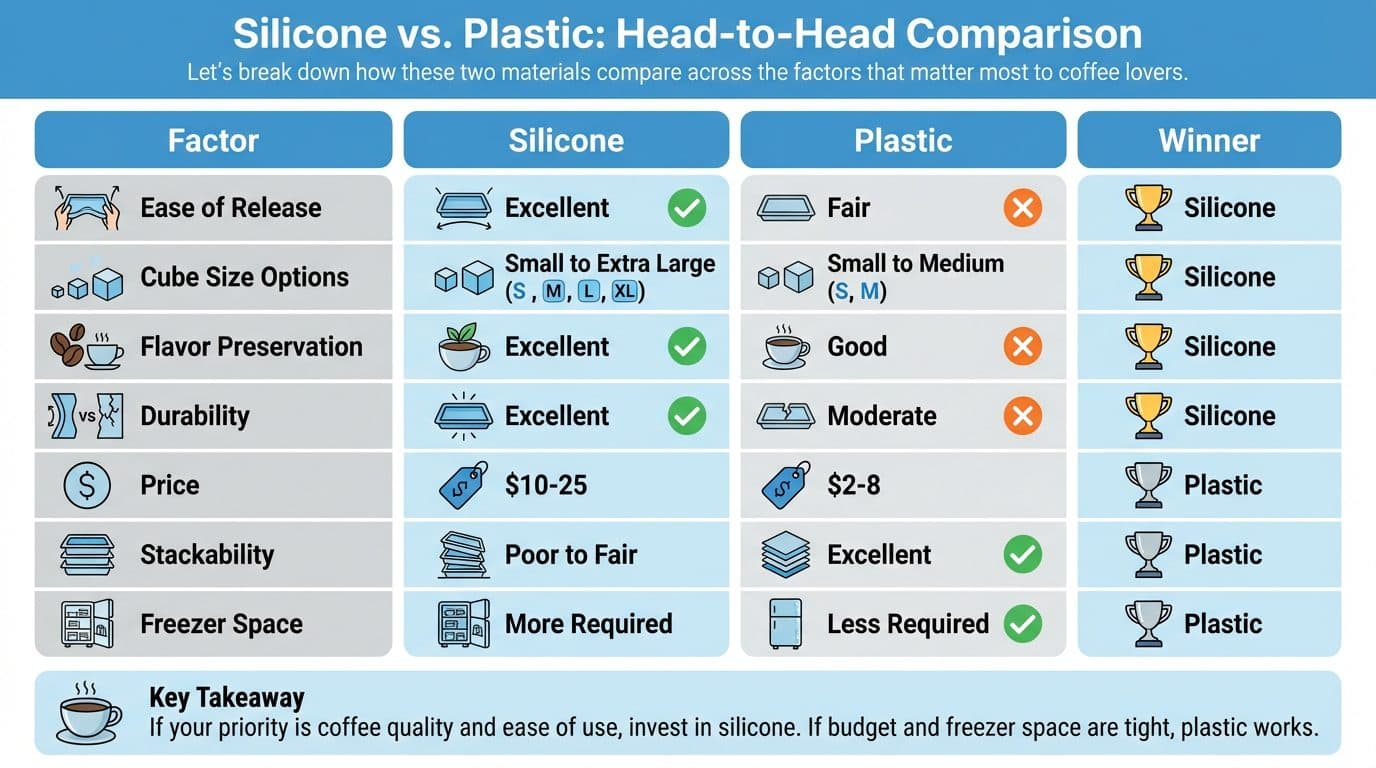
Let’s break down how these two materials compare across the factors that matter most to coffee lovers.
| Factor | Silicone | Plastic | Winner |
|---|---|---|---|
| Ease of Release | Excellent | Fair | Silicone |
| Cube Size Options | Small to Extra Large | Small to Medium | Silicone |
| Flavor Preservation | Excellent | Good | Silicone |
| Durability | Excellent | Moderate | Silicone |
| Price | $10-25 | $2-8 | Plastic |
| Stackability | Poor to Fair | Excellent | Plastic |
| Freezer Space | More Required | Less Required | Plastic |
Key Takeaway: If your priority is coffee quality and long-term value, silicone wins. If you’re working with a tight budget or cramped freezer, plastic remains a reasonable choice.
Who Should Choose Silicone Trays
Who is this for?
- Dedicated iced coffee and cold brew enthusiasts
- Anyone who freezes coffee into cubes regularly
- Home baristas who value flavor preservation
- People willing to invest a bit more for long-term quality
- Those frustrated with wrestling cubes out of traditional trays
Who is this NOT for?
- Casual coffee drinkers who rarely make iced drinks
- People with extremely limited freezer space
- Budget-conscious shoppers who need the cheapest option
- Those who prefer smaller ice cubes for faster chilling
Barista Tip: When choosing silicone trays, look for ones with reinforced rims or included stands. This makes transporting full trays to the freezer much easier and prevents the wobbly mess that happens with flimsy silicone.
Who Should Choose Plastic Trays
Who is this for?
- Occasional iced coffee drinkers
- Anyone with very limited freezer space
- Budget-conscious home baristas
- People who need multiple trays for high-volume ice production
- Those who prefer covered trays to prevent spillage
Who is this NOT for?
- Serious cold brew enthusiasts who want the best flavor
- Anyone who freezes coffee cubes regularly
- People sensitive to freezer odor transfer
- Those who find traditional cube release frustrating
Barista Tip: If you go with plastic, choose BPA-free options with tight-fitting lids. The lid creates a barrier against freezer odors and prevents that stale taste from sneaking into your coffee cubes.
Bonus Option: Coffee Ice Cube Strategy
Here’s a pro move that works with either tray type but shines with silicone. Freeze leftover coffee or cold brew into ice cubes instead of using regular water ice. When these coffee cubes melt in your iced drink, they add more coffee flavor instead of diluting it. Life is too short for watered-down iced coffee.
For best results, freeze coffee cubes in silicone trays sized at least 1.5 inches. Smaller cubes melt too quickly and can make your drink taste over-extracted if they’re made from strong concentrate. I typically make a batch every weekend and keep them in a freezer bag for weekday iced coffees.
Summary and Final Recommendations
When it comes to choosing between silicone and plastic ice cube trays for coffee, the right choice depends on your priorities. Silicone trays deliver superior performance in cube release, size options, and flavor preservation. They cost more upfront but last for years and make the iced coffee experience genuinely more enjoyable.
Plastic trays remain perfectly functional for casual use. They’re budget-friendly, space-efficient, and widely available. If you’re just dipping your toes into iced coffee or need a quick, cheap solution, there’s no shame in starting with plastic.
My recommendation? Invest in one quality silicone tray for your coffee cubes and larger ice needs. Keep a cheap plastic tray around for overflow situations or when you need lots of small cubes quickly. This combo approach gives you the best of both worlds without breaking the bank.
Ready to upgrade your iced coffee game? Check the latest prices on silicone ice cube trays on Amazon and start enjoying undiluted cold brew bliss. Your future self, sipping perfectly chilled coffee on a hot afternoon, will thank you.


Comments