


Table of Contents
- The Short Answer: Are K-Cups Actually Recyclable?
- What Are K-Cups Actually Made Of?
- The Plastic Cup
- The Aluminum Foil Lid
- The Coffee Grounds and Filter
- Why Most K-Cups Still End Up in Landfills
- Size Matters in Recycling
- Contamination Is a Dealbreaker
- Local Programs Vary Wildly
- How to Properly Recycle K-Cups: A Step-by-Step Guide
- Eco-Friendly Alternatives to Traditional K-Cups
- Reusable K-Cup Filters
- Compostable K-Cup Brands
- Terracycle K-Cup Recycling Program
- Consider a Different Brewing Method
- Frequently Asked Questions
- Can I put K-Cups directly in my recycling bin?
- Are Keurig's "recyclable" claims misleading?
- Do compostable K-Cups break down in my backyard compost?
- What happens to K-Cups in landfills?
- Is the coffee in K-Cups less fresh than regular ground coffee?
- Final Thoughts: Making Peace with Your Pod Habit
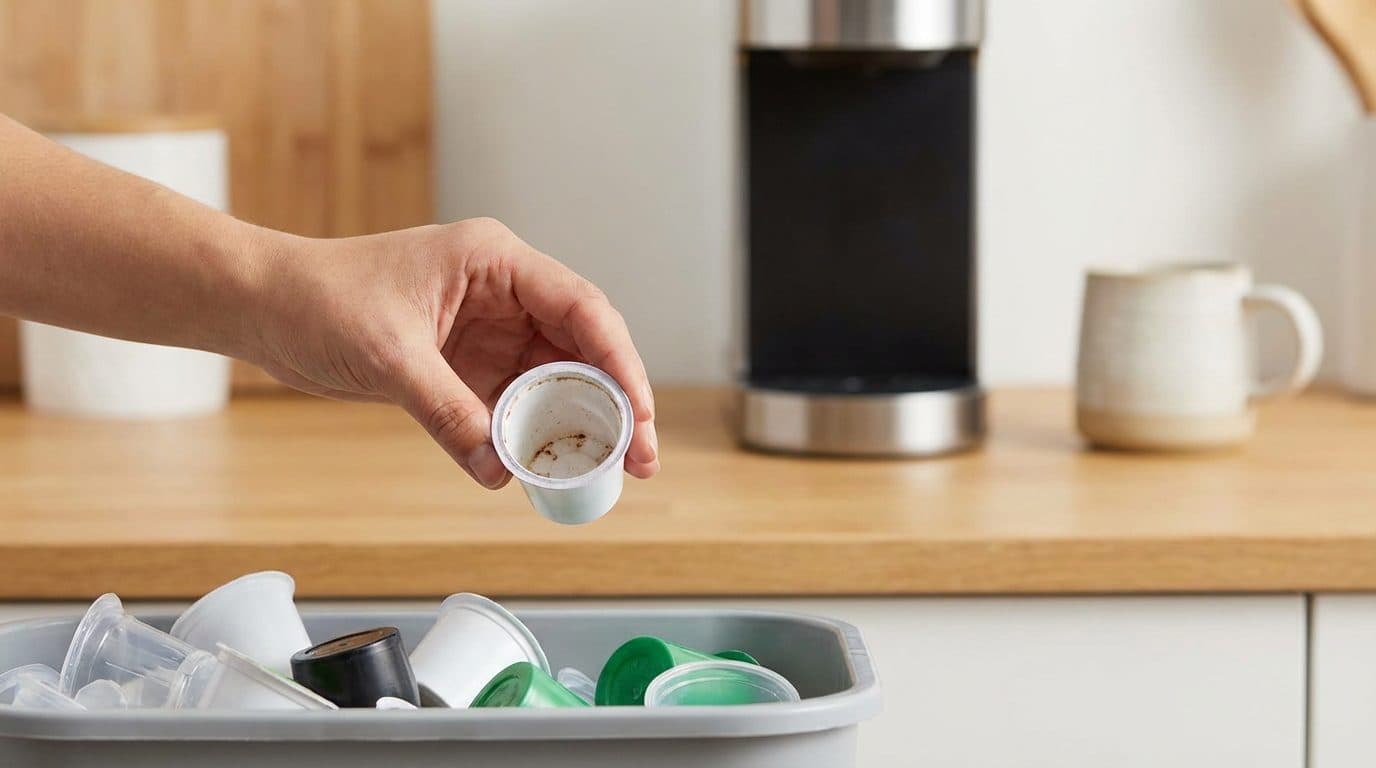
You just brewed your morning cup of coffee, and now you’re staring at that little plastic pod in your hand. It feels wrong to toss it in the trash, but is it actually recyclable? If you’ve ever wondered whether K-Cups are recyclable, you’re not alone. Millions of coffee lovers ask this same question every single day—and the answer isn’t as simple as you might hope.
In this article, I’ll break down what K-Cups are really made of, whether your local recycling program will accept them, and what practical steps you can take to reduce your environmental footprint without giving up your beloved single-serve coffee. Spoiler alert: it’s complicated, but there are real solutions.
The Short Answer: Are K-Cups Actually Recyclable?
Here’s the honest truth:technically, yes—most modern K-Cups are recyclable. Practically? It’s a different story. While Keurig has made significant changes to their pod design since2020, making them from polypropylene (a widely accepted recyclable plastic), the reality on the ground is messier.
The problem isn’t the material itself. It’s the size, the leftover coffee grounds, and the aluminum foil lid—all of which create headaches for recycling facilities. In my experience, most people either don’t know how to prepare K-Cups for recycling or simply don’t have the time todo it properly.
Key Takeaway: K-Cups can be recycled, but only if you separate the components and check whether your local facility accepts small plastics. Otherwise, they’re heading straight to the landfill.
What Are K-Cups Actually Made Of?
To understand the recycling challenge, you need to know what you’re dealing with. A standard K-Cup has three main components, and each one requires different handling.
The Plastic Cup
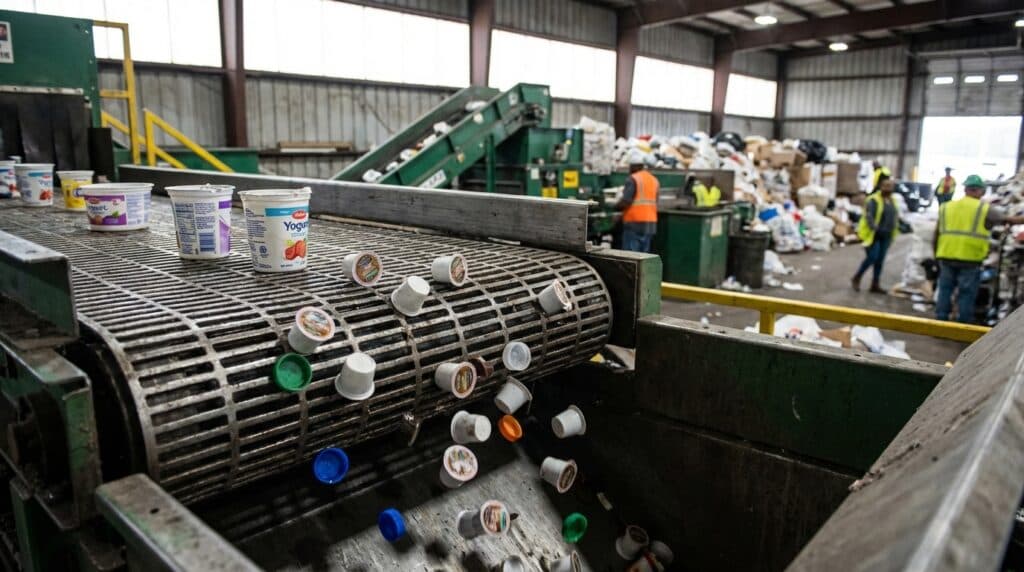
Since 2020, Keurig has manufactured their pods using #5 polypropylene plastic. This is good news because polypropylene is one of the more commonly recycled plastics—it’s the same material used in yogurt containers and bottle caps. However, many curbside programs still don’t accept items this small because they fall through sorting machinery.
The Aluminum Foil Lid
The shiny lid on top is made of aluminum, which is highly recyclable. In fact, aluminum can be recycled indefinitely without losing quality. The catch? It’s usually fused to a thin layer of plastic or paper filter, and most people don’t bother peeling it off completely.
The Coffee Grounds and Filter
Inside the pod, you’ll find used coffee grounds held by a small paper filter. These are compostable and actually make excellent additions to your garden or compost bin. Coffee grounds add nitrogen to soil and can help plants thrive.
In short, every part of a K-Cup can theoretically be recycled or composted—but only if you’re willing to disassemble it.
Why Most K-Cups Still End Up in Landfills
Here’s where we need to bust some myths. Despite Keurig’s marketing claims about recyclability, the vast majority of K-Cups never get recycled. Let me explain why.
Size Matters in Recycling
Recycling facilities use large sorting machines with screens and conveyor belts. Items smaller than about 2inches in diameter often fall through the cracks—literally. They end up mixed with garbage or contaminating other recyclable materials. Since K-Cups are quite small, many facilities reject them outright.
Contamination Is a Dealbreaker
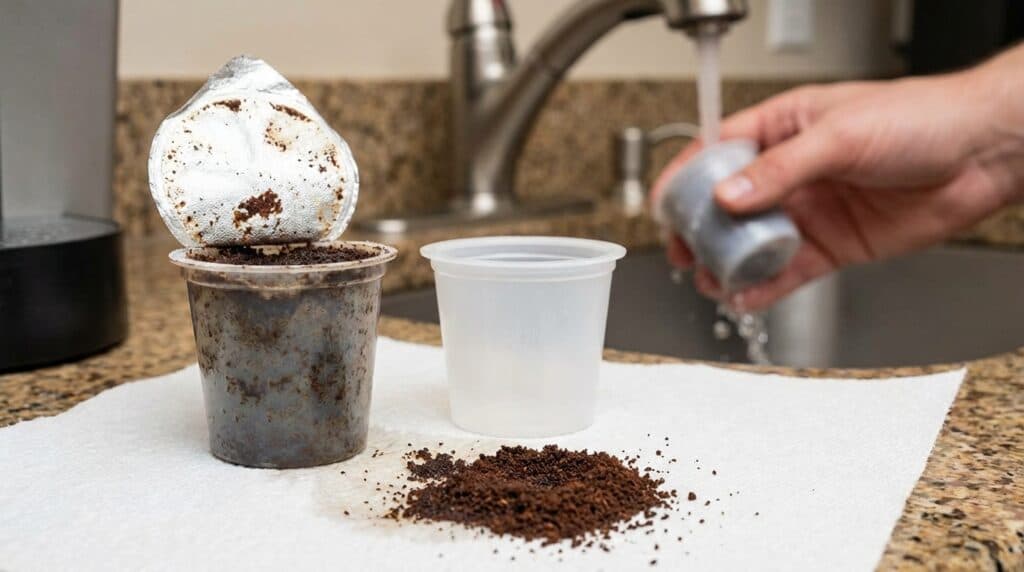
Even if your facility accepts #5 plastics, they won’t take them if they’re contaminated with food waste. A K-Cup with wet coffee grounds inside? That’s contamination. This means you need to empty and rinse each pod before recycling—a step most busy coffee drinkers skip.
Local Programs Vary Wildly
I’ve found that recycling rules differ dramatically depending on where you live. Some cities have robust programs that accept K-Cups. Others don’t accept any small plastics at all. Calling your local waste management company is the only way to know for sure.
Did You Know? An estimated 56billion single-serve coffee pods end up in landfills globally each year. That’s enough pods to circle the Earth more than 14 times.
How to Properly Recycle K-Cups: A Step-by-Step Guide
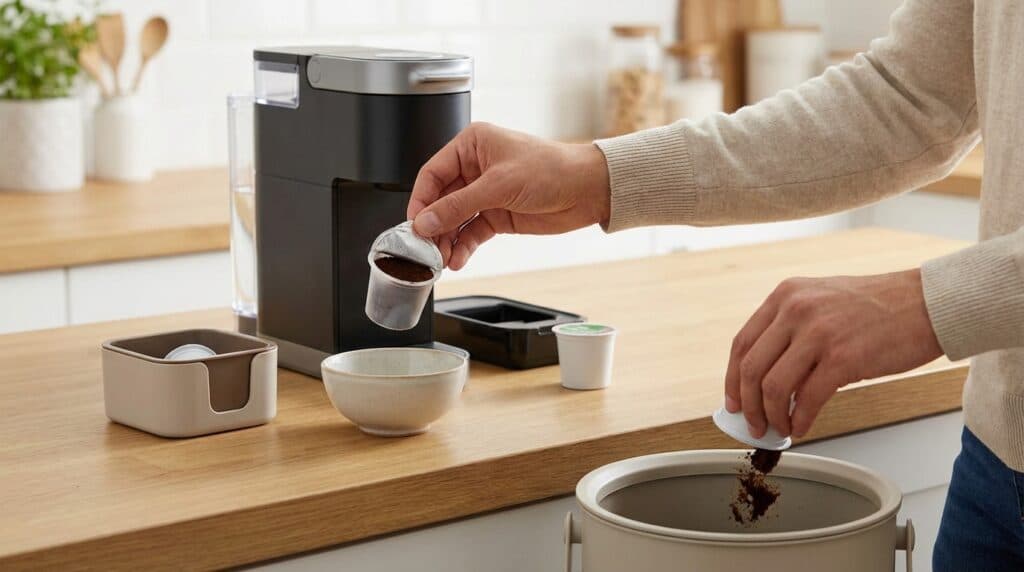
If you’re committed to recycling your K-Cups, here’s exactly how to do it right. I keep a small container next to my Keurig specifically for this purpose, and it takes about 10 seconds per pod once you get the hang of it.
- Peel off the foil lid: Once the pod has cooled, peel back the aluminum lid completely. Set it aside for recycling (if your program accepts small aluminum pieces) or save several lids together.
- Dump the grounds: Knock the used coffee grounds into your trash, compost bin, or garden. They’re great for composting and completely biodegradable.
- Remove the paper filter: Some K-Cups have a small paper filter inside. Pull it out and add it to your compost.
- Rinse the plastic cup: Give the empty pod a quick rinse to remove any remaining residue. It doesn’t need to be spotless, just reasonably clean.
- Check your local guidelines: Before tossing the plastic cup in your recycling bin, confirm that your municipality accepts #5 plastics. If not, you may need to find a drop-off location.
Barista Tip: Keep a dedicated “pod prep” bowl next to your coffee station. Drop your used K-Cups in there throughout the week, thendo one batch separation session. It’s way easier than dealing with each pod individually.
Eco-Friendly Alternatives to Traditional K-Cups
If the recycling process sounds like too much hassle—and honestly, for many people it is—there are better alternatives worth considering. Life is too short for bad coffee and unnecessary guilt.
Reusable K-Cup Filters
This is my top recommendation for eco-conscious Keurig owners. Reusable pods are small metal or plastic containers that you fill with your own ground coffee. You get the convenience of single-serve brewing without any waste.
- Pros: Zero waste, saves money on pods, lets you use any coffee you like
- Cons: Requires buying ground coffee, needs cleaning after each use, slightly more effort
In my experience, the coffee from a reusable filter actually tastes better because you can use fresher, higher-quality beans. It’s a win-win situation.
Compostable K-Cup Brands
Several brands now offer pods made from plant-based materials that break down in commercial composting facilities. Look for certifications like “BPI Certified Compostable” on the packaging.
- Pros: Convenient, no disassembly required, better for the environment
- Cons: Often more expensive, requires access to commercial composting (most don’t break down in home compost bins)
Terracycle K-Cup Recycling Program
Terracycle partners with Keurig to offer a mail-in recycling program. You collect your used pods, ship them in a prepaid box, and they handle the recycling properly. It costs money to participate, but it guarantees your pods won’t end up in a landfill.
Consider a Different Brewing Method
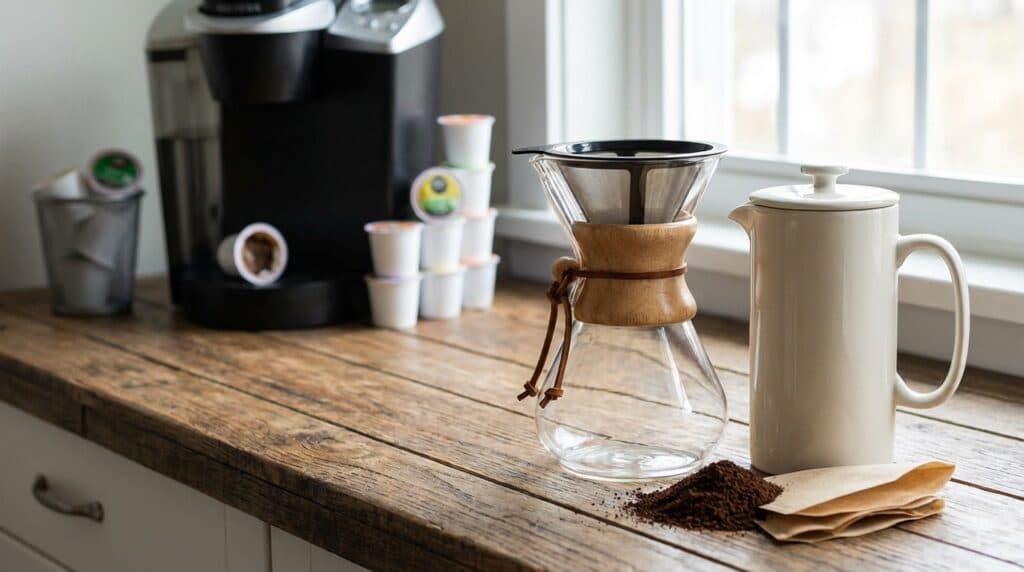
I know this might sound radical to devoted Keurig users, but traditional brewing methods produce far less waste. A simple pour-over setup or French press creates only coffee grounds (compostable) and uses no single-use plastics at all. Something to think about if sustainability is a priority for you.
Frequently Asked Questions
Can I put K-Cups directly in my recycling bin?
In most cases, no. You need to remove the foil lid, empty the coffee grounds, and rinse the plastic cup first. Additionally, many curbside programs don’t accept items as small as K-Cups, so check with your local waste management provider before assuming they’ll be recycled.
Are Keurig’s “recyclable” claims misleading?
They’re not exactly misleading, but they are incomplete. The pods are made from recyclable material, but that doesn’t mean they’ll actually get recycled in your area. The infrastructure to handle small plastics simply doesn’t exist everywhere, and the burden of preparation falls entirely on consumers.
Do compostable K-Cups break down in my backyard compost?
Most compostable pods require commercial composting facilities, which reach higher temperatures than home compost piles. Unless the packaging specifically states “home compostable,” assume you’ll need access to an industrial composting program for them to break down properly.
What happens to K-Cups in landfills?
Plastic K-Cups can take hundreds of years to decompose in landfills. During that time, they may break down into microplastics that can contaminate soil and water. The aluminum lids will eventually break down but also take decades. Coffee grounds decompose relatively quickly but produce methane in landfill conditions.
Is the coffee in K-Cups less fresh than regular ground coffee?
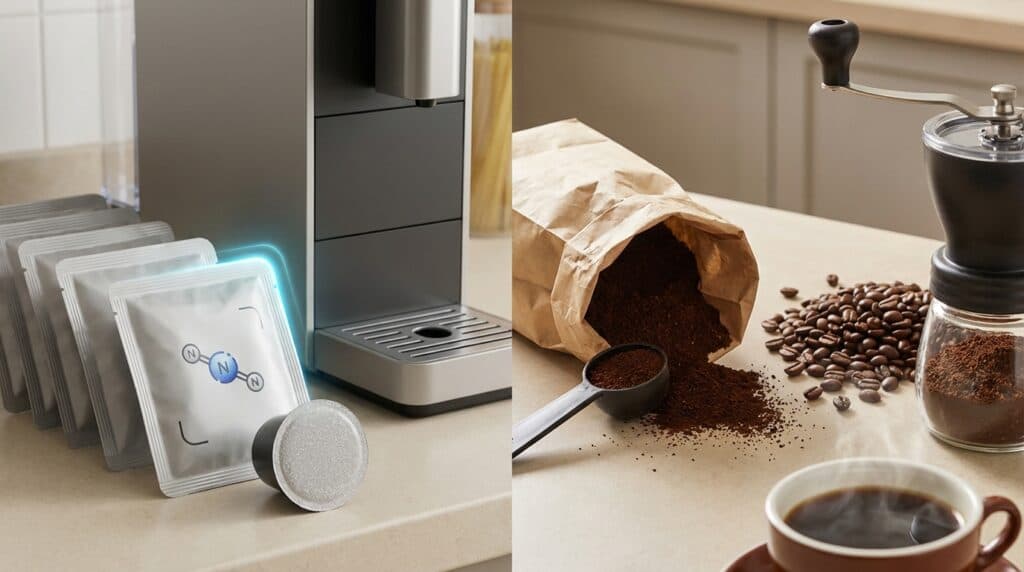
K-Cups are nitrogen-flushed and sealed to preserve freshness, so they maintain quality longer than an open bag of ground coffee. However, freshly ground beans from a quality roaster will almost always taste better. If you’re using a reusable pod, grinding your beans right before brewing makes a noticeable difference.
Final Thoughts: Making Peace with Your Pod Habit
So, are K-Cups recyclable? The honest truth is yes, but with significant caveats. Recycling them properly requires effort, and many local programs simply aren’t equipped to handle them. If you’re serious about reducing your environmental impact, the most effective options are switching to reusable pods or exploring alternative brewing methods altogether.
That said, don’t let perfect be the enemy of good. If you love your Keurig, start by implementing a simple pod prep routine. Empty the grounds into your compost, peel off the lids, and check whether your local facility accepts the plastic cups. Every small step counts.
At the end of the day, enjoying your morning coffee shouldn’t come with a side of guilt. By understanding what you’re working with and making informed choices, you can find a balance that works for both your lifestyle and the planet. Now go brew something delicious.




Comments