


Table of Contents
- Quick Rescue Chart
- First, Decide Whether It Is Worth Saving
- How to Fix Bitter Coffee
- Add a Few Grains of Salt
- Dilute If It Is Also Too Strong
- Use Milk or Cream
- How to Fix Sour or Acidic Coffee
- Add Sweetness First
- Use Baking Soda Carefully
- Blend With Stronger Coffee
- How to Fix Weak or Watery Coffee
- Make a Quick Concentrate
- Add Instant Coffee
- Make It Iced
- How to Handle Burnt Coffee
- Remove It From Heat
- Cover the Burnt Edge
- Use It in Food
- What Not to Do
- Next-Brew Fixes Based on What Went Wrong
- If It Was Bitter
- If It Was Sour
- If It Was Weak
- If It Was Burnt
- A Simple Sensory Diagnosis Routine
- Frequently Asked Questions
- Can I save coffee that has too much salt in it?
- Does salt actually reduce bitterness?
- Is baking soda safe in coffee?
- Can I put bad coffee back through the coffee maker?
- How long can brewed coffee sit out?
- Why does my coffee taste bad even when I follow the same recipe?
- The Bottom Line
You brewed a pot of coffee, took one sip, and something is off. It may be bitter, sour, weak, burnt, or stale, but many bad cups can be made drinkable with one small adjustment.
Fix one problem at a time. Start with a cup, taste after each change, and stop as soon as the coffee is acceptable. Salt, baking soda, water, milk, and sweetener can all help, but only in tiny amounts.
Quick Rescue Chart
| What your coffee tastes like | Likely problem | Fast fix for one 8-ounce cup | Fast fix for a 6-cup pot | Stop when |
|---|---|---|---|---|
| Harsh, bitter, drying | Over-extraction, grind too fine, water too hot, or coffee left on heat | Add 8 to 12 grains of table salt, stir, wait 10 seconds, and taste | Add 1/16 teaspoon salt, stir well, and taste before adding more | The bitterness softens without tasting salty |
| Too strong or muddy | Too much coffee, too little water, or fine sediment | Add 1 tablespoon hot water at a time, up to 3 tablespoons | Add 1/4 cup hot water, taste, then add up to another 1/4 cup | The cup tastes balanced, even if lighter |
| Sour, sharp, lemony | Under-extraction, water too cool, grind too coarse, or a fast light-roast brew | Add 1/8 teaspoon sugar or 1 teaspoon milk; for severe sourness use baking soda on the tip of a toothpick | Add 1/16 teaspoon baking soda total, stir thoroughly, and taste | The sharp edge drops without chalky or soapy flavor |
| Weak, watery, hollow | Too little coffee, too much water, stale grounds, or grind too coarse | Stir in 1/4 teaspoon instant coffee, or blend with 2 ounces strong fresh coffee | Brew 1 cup strong coffee with fresh grounds and blend it into the pot | The cup has body without turning bitter |
| Burnt or smoky | Coffee sat on a hot plate, brew water was too hot for the coffee, or the roast is darker than you like | Add milk or cream plus 1/4 teaspoon cocoa powder, cinnamon, or syrup | Remove from heat, add 1/4 to 1/2 cup milk, or save it for baking | The burnt edge is covered enough to drink |
| Stale, cardboard-like, flat | Old beans, old brewed coffee, or coffee kept hot too long | Turn it into iced coffee with milk and sweetener | Chill it for iced drinks or use it in a recipe | You stop expecting it to taste freshly brewed |
First, Decide Whether It Is Worth Saving
Most bad coffee is a flavor problem, not a safety problem. Bitter, sour, weak, burnt, or stale coffee can usually be tested with a small rescue fix. Spoiled coffee should not be rescued.
Throw it away if it smells rotten, musty, moldy, chemical, or dirty. Do the same if plain black coffee sat at room temperature for most of the day, if coffee with milk or creamer sat out for more than about 2 hours, if you see mold in the carafe or filter basket, or if you are unsure the equipment was clean. Milk, sugar, salt, and spices do not make questionable coffee safe.
If the coffee only tastes wrong, pour one cup and diagnose it with your senses: bitter feels harsh and drying, sour feels sharp and thin, weak feels hollow, burnt tastes smoky or scorched, and stale tastes flat or cardboard-like.
How to Fix Bitter Coffee
Bitter coffee usually means the brew pulled too much from the grounds or kept cooking after brewing. It can feel harsh and drying even after sugar.
Add a Few Grains of Salt
For one 8-ounce cup, add 8 to 12 grains of table salt. Stir, wait 10 seconds, and taste. For a 6-cup pot, use 1/16 teaspoon salt total. Salt should soften bitterness, not make the coffee taste salty.
If the cup is still bitter, add only a few more grains to that cup. Do not throw a large pinch into the pot. Once coffee tastes salty, it is hard to recover.
Dilute If It Is Also Too Strong
If the coffee is bitter and heavy, add 1 tablespoon hot water to a cup, stir, and taste. Add up to 3 tablespoons. For a pot, add 1/4 cup hot water, taste, and add up to another 1/4 cup if needed.
Use hot water unless you are turning the coffee into iced coffee. Cold water can make hot coffee taste dull and uneven.
Use Milk or Cream
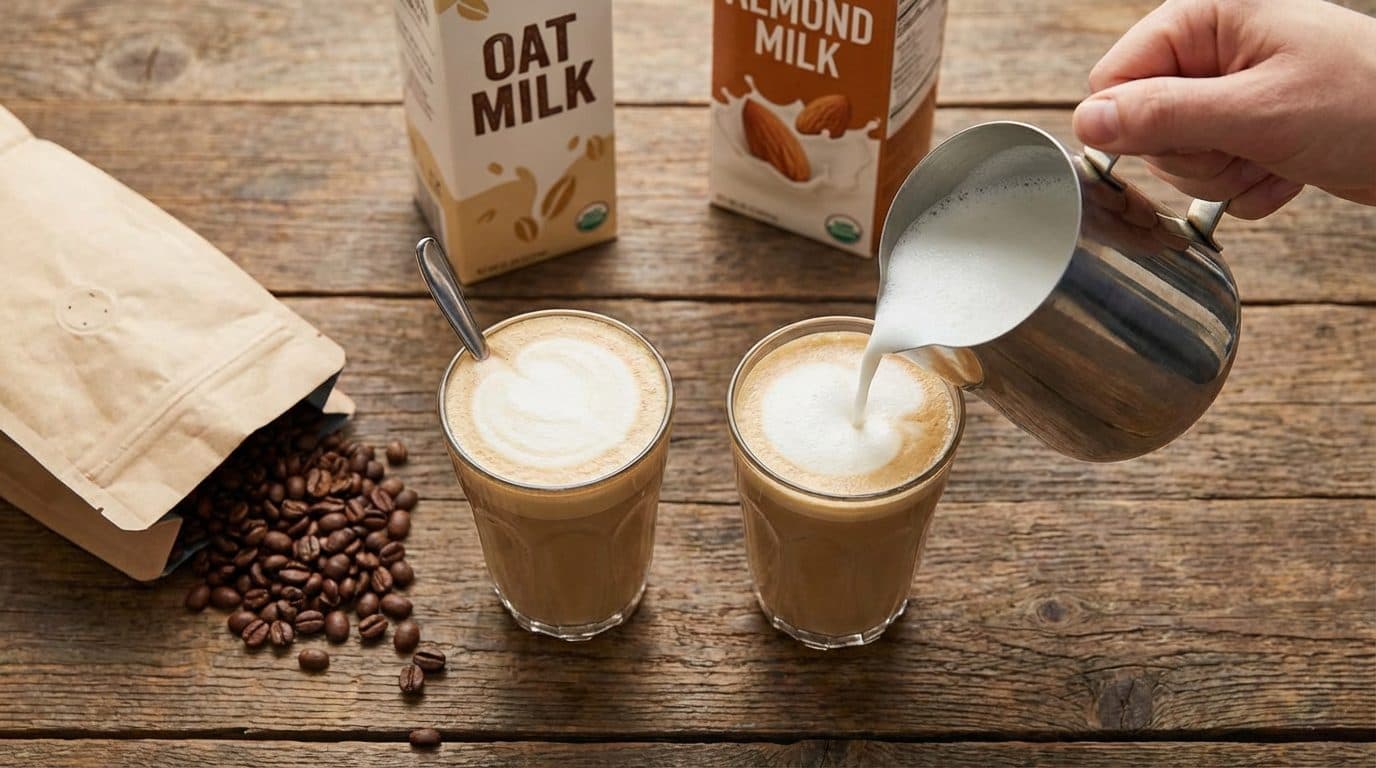
Milk, cream, half-and-half, or creamy oat milk can soften a rough bitter edge. Start with 1 tablespoon in a cup. This does not fix the brew mistake, but it can make the cup drinkable.
How to Fix Sour or Acidic Coffee
Sour coffee is sharp, thin, and unfinished. A bright light roast can taste lively; a bad sour brew tastes like the sweetness and body never arrived.
Add Sweetness First
For one cup, start with 1/8 teaspoon sugar, honey, maple syrup, or simple syrup. Stir and taste. You can also try 1 teaspoon milk or cream. Mild sourness often needs only that small balance.
Use Baking Soda Carefully
For one 8-ounce cup, dip the tip of a clean toothpick into baking soda, tap off the excess, stir that dusting into the coffee, and taste. For a 6-cup pot, use 1/16 teaspoon baking soda total and stir thoroughly.
Do not add baking soda by the pinch. Too much makes coffee flat, chalky, or soapy. Baking soda is sodium bicarbonate, so avoid this rescue if you are limiting sodium unless your clinician has said small sodium additions are fine for you.
Blend With Stronger Coffee
If you have time, brew 1 cup of stronger coffee with fresh grounds and blend it into the sour pot a few ounces at a time. A slightly finer grind or darker roast can add body, but add gradually.
How to Fix Weak or Watery Coffee
Weak coffee needs more coffee flavor, not just sugar. If it tastes hollow, thin, or like hot brown water, add strength back carefully.
Make a Quick Concentrate
Brew a small strong batch and blend it into the weak pot. Use about double your normal coffee dose: if you usually use 2 tablespoons ground coffee for 6 ounces water, use 4 tablespoons for 6 ounces. Add slowly and taste.
Do not run the same water through used grounds again. Spent grounds mostly give bitterness and papery flavor, not fresh sweetness or aroma.
Add Instant Coffee
For one cup, stir in 1/4 teaspoon instant coffee until fully dissolved. For a pot, dissolve 1 teaspoon instant coffee in 2 tablespoons hot water first, then stir that into the pot. Taste before adding more.
Make It Iced
Weak coffee can work better cold. Chill it, pour it over ice, and add milk or simple syrup. If it is already very weak, freeze some into coffee cubes so regular ice does not dilute it further.
How to Handle Burnt Coffee
Burnt coffee is the hardest to save. If it sat on a hot plate too long, the goal is not to make it taste fresh. The goal is to make it useful.
Remove It From Heat
Take the pot off the burner immediately. Move it to a thermal carafe if you have one. Leaving it on heat while you adjust the flavor will only deepen the scorched taste.
Cover the Burnt Edge
For one cup, add 1 to 2 tablespoons milk or cream plus one of these:
- 1/4 teaspoon cocoa powder
- 1/4 teaspoon chocolate syrup
- 1/8 teaspoon cinnamon
- 1 or 2 drops vanilla extract
- 1/2 teaspoon brown sugar or maple syrup
Stir well and taste. These can cover light scorching. If the coffee tastes ashy, use it in food or discard it.
Use It in Food
Burnt or stale coffee may still work in brownies, chocolate cake, chili, barbecue sauce, steak marinade, or blended iced drinks. Refrigerate it and use it within a day or two.
What Not to Do
- Do not add a big pinch of salt. Start with grains for a cup or 1/16 teaspoon for a pot.
- Do not use baking soda casually. Use a toothpick dusting for a cup or 1/16 teaspoon for a pot.
- Do not keep reheating the same coffee. Reheating makes stale and burnt flavors stronger.
- Do not re-brew used grounds to strengthen weak coffee. Brew a fresh concentrate instead.
- Do not try to fix spoiled coffee. Mold, strange odors, dirty equipment, or all-day room-temperature coffee are stop signs.
Next-Brew Fixes Based on What Went Wrong
After the current pot is drinkable, change one thing for the next brew. If you adjust everything at once, you will not know what helped.
If It Was Bitter
- Grind slightly coarser next time.
- Use water around 195 to 205 degrees Fahrenheit.
- Shorten contact time for manual methods.
- Move brewed coffee to a thermal carafe instead of leaving it on a hot plate.
- Clean the brewer if bitterness has been getting worse over time.
If It Was Sour
- Grind slightly finer next time.
- Use water around 195 to 205 degrees Fahrenheit.
- Give the brew more contact time.
- Use a little more coffee if the cup was both sour and thin.
- Remember that very light roasts can be naturally brighter.
If It Was Weak
- Measure coffee and water instead of guessing.
- Start with about 2 tablespoons ground coffee for every 6 ounces water.
- Use fresher beans or grounds if the coffee also tasted flat.
- Grind a little finer if the cup was weak and sour.
- Check whether water bypassed the grounds.
If It Was Burnt
- Do not leave brewed coffee on a hot plate for long periods.
- Use an insulated carafe.
- Let boiling water sit for 30 to 60 seconds before pouring.
- Try a medium roast if your dark roast always tastes smoky.
- Clean old oils from the carafe, basket, and filter.
A Simple Sensory Diagnosis Routine
When coffee tastes wrong often, keep the diagnosis simple. Use the same mug, scoop, and water mark for a few days. If you have a kitchen scale, weigh coffee and water.
Write one short note after a bad brew: too bitter, too sour, too weak, or burnt after sitting. Then change one variable next time. Finer grind extracts more; coarser extracts less. Dose, water temperature, and contact time are the next big levers.
Frequently Asked Questions
Can I save coffee that has too much salt in it?
Sometimes, if it is only barely salty. Dilute the cup with fresh hot coffee or hot water, then add milk if you like it. If the whole pot tastes plainly salty, it is usually not worth chasing.
Does salt actually reduce bitterness?
Yes, in very small amounts. Salt can reduce how strongly your tongue registers bitterness. For a cup, think in grains. For a 6-cup pot, 1/16 teaspoon is a cautious starting point.
Is baking soda safe in coffee?
A tiny amount is generally used as a taste adjustment, but keep it tiny: a toothpick dusting for one cup or 1/16 teaspoon for a pot. It adds sodium, so avoid it if you are on a sodium-restricted diet unless your clinician says small additions are fine.
Can I put bad coffee back through the coffee maker?
No. Brewed coffee can leave residue in parts meant for water, and used grounds usually add bitterness. If coffee is weak, brew a fresh small concentrate and blend it in.
How long can brewed coffee sit out?
Flavor fades quickly, often within 30 minutes, and coffee left on heat can taste burnt even sooner. Do not keep brewed coffee at room temperature all day. Cool it, refrigerate it, and use it within a day or two for iced coffee or cooking.
Why does my coffee taste bad even when I follow the same recipe?
Small changes matter: grind setting, bean age, water temperature, water minerals, filter placement, and equipment cleanliness. If the same recipe suddenly tastes worse, clean the brewer, then check the beans and grind.
The Bottom Line
Start with one cup, use tiny measured amounts, and stop when the coffee becomes drinkable. Bitter coffee may need 8 to 12 grains of salt, dilution, or milk. Sour coffee may need 1/8 teaspoon sweetener, 1 teaspoon milk, a toothpick dusting of baking soda, or stronger coffee. Weak coffee needs more coffee flavor. Burnt coffee is often better covered with milk and cocoa or used in food.

Comments