


Table of Contents
- Quick Verdict: The Best Used Coffee Gear to Buy
- Why Second-Hand Coffee Gear Makes Sense
- Typical Used Savings
- Best Second-Hand Coffee Gear Worth Hunting For
- Manual and Lever Espresso Machines
- Premium Hand Grinders
- Classic Semi-Automatic Espresso Machines
- Electric Burr Grinders
- Pour-Over Equipment and Accessories
- Second-Hand Coffee Gear You Should Avoid
- Superautomatic Espresso Machines
- Pod and Capsule Machines
- Blade Grinders
- Unknown Brand Espresso Machines
- How to Inspect Used Coffee Gear Before Buying
- Questions to Ask the Seller
- For Espresso Machines
- For Grinders
- For Kettles and Scales
- Where to Find Good Used Coffee Equipment
- How Much Should You Pay?
- Red Flags That Should Lower the Price
- Frequently Asked Questions
- How do I know if a used espresso machine was maintained?
- Are refurbished grinders worth buying?
- What parts should I budget for?
- How can I test burr sharpness?
- Is vintage espresso gear safe?
- Bottom Line
Quick Verdict: The Best Used Coffee Gear to Buy
Often the best used buy: manual espresso machines. Lever and manual machines such as La Pavoni, Flair, and ROK can be excellent second-hand purchases when you can inspect them, confirm parts availability, and budget for seals or small repairs.
Best low-risk upgrade: quality hand grinders. Premium hand grinders from Comandante, 1Zpresso, Kinu, and similar makers often have long burr life in home use and are easy to inspect.
Most tempting category to avoid: used superautomatic espresso machines. They are complex, repair costs can erase the savings, and many are sold just as problems begin.
Second-hand coffee gear can be a smart buy, but only if you are selective. Some equipment is simple, repairable, and barely worse after a few careful years. Other gear looks cheap because the next owner is about to inherit scale buildup, tired pumps, dull burrs, or mystery electronics.
The goal is not to find the lowest price. The goal is to buy equipment whose condition you can verify. If you cannot test it, research parts, or identify the model, the discount needs to be enormous or you should walk away.
Why Second-Hand Coffee Gear Makes Sense

Good coffee equipment often ages better than consumer electronics. A solid grinder, scale, dripper, or simple espresso machine does not become obsolete because a new app came out. Many owners sell because they upgraded, moved, lost interest, or bought too much machine too soon.
The sweet spot is usually known-brand equipment that is one to five years old, still supported with parts, and sold by someone who can explain how it was used. Be more cautious with machines that lived in offices, cafes, rentals, or hard-water homes without maintenance records.
Typical Used Savings
| Equipment Type | Usual Used Appeal | Main Risk |
|---|---|---|
| Manual espresso machines | High savings, simple mechanics | Worn seals, scale, heating issues |
| Premium hand grinders | Strong performance, easy inspection | Dropped body, damaged burrs |
| Semi-automatic machines | Good value if maintained | Pump, boiler scale, leaks |
| Electric burr grinders | Big discounts on upgraded gear | Dull burrs, alignment, motor wear |
| Pour-over gear | Low risk, cheap accessories | Cracks, bad electronics in scales or kettles |
| Superautomatics | Looks cheap versus retail | Complex repair bills |
Best Second-Hand Coffee Gear Worth Hunting For
The best used gear has three traits: you can inspect it, parts exist, and failure does not require a specialist computer diagnosis. These categories fit that description better than most.
Manual and Lever Espresso Machines

Manual espresso gear is often the most inspectable espresso category to buy used. A Flair, ROK, Cafelat Robot, or La Pavoni has fewer hidden systems than a push-button machine, but condition still matters. Seals and gaskets are normal wear items, not deal-breakers, if parts are available; corrosion, missing pieces, cracked chambers, pressure problems, or unknown boiler history are different issues.
Look for:
- Smooth lever movement through the full range.
- No cracks in frames, bases, brew chambers, or handles.
- Available replacement seals for the exact model.
- Original baskets, portafilter, pressure gauge if included, and manuals.
Be cautious if:
- The lever sticks, grinds, or feels uneven.
- The seller says “probably just needs a gasket” but has not checked.
- Electric lever machines show rust, scale, or tripping issues.
Practical note: Budget for a seal kit even if the machine looks good. It is cheap insurance and gives you a clean baseline.
Premium Hand Grinders
High-end hand grinders are excellent used purchases because home users rarely wear out burrs quickly. Bodies may get cosmetic scratches, but performance can remain strong for years.
Ask whether the grinder was used for espresso daily or mostly filter coffee. Espresso grinding is harder work and may reveal alignment or adjustment issues sooner. Remove the catch cup, check threads, inspect burrs under light, and turn the handle through several settings.
Buy if: The burrs are sharp, the axle feels straight, adjustment clicks are clean, and there are no signs of a major drop.
Skip if: The handle wobbles badly, burrs are chipped, adjustment binds, or the seller cannot identify the model.
Classic Semi-Automatic Espresso Machines

Rancilio Silvia, Gaggia Classic, Breville Infuser, and similar known machines can be good second-hand buys. The key is maintenance. A five-year-old machine that was descaled and backflushed can be better than a newer machine used with hard water and no cleaning.
Inspection checklist:
- Ask to see it heat fully and pull water through the group head.
- Check steam strength after the machine reaches steam temperature.
- Look for leaks under the machine, around the tank, and near the group head.
- Inspect the shower screen and gasket area for old coffee buildup.
- Ask what water they used and how often they descaled.
A strained pump sound, weak flow, rust under the drip tray, or vague maintenance answers should lower the price or end the deal.
Electric Burr Grinders
Electric grinders can be great used buys, especially when enthusiasts upgrade. Baratza, Eureka, Mazzer, Fellow, DF-series grinders, and other known models have owner communities and parts availability, though each model has its own common issues.
Test the grinder with beans if possible. Listen for scraping, rattling, or motor strain. Run it across coarse and fine settings. Check retention, chute clogs, hopper cracks, and whether burr replacement is still available.
For older commercial grinders, remember they may be built well but sized for cafes. They can be loud, bulky, messy, and designed for hopper-full workflows rather than single dosing.
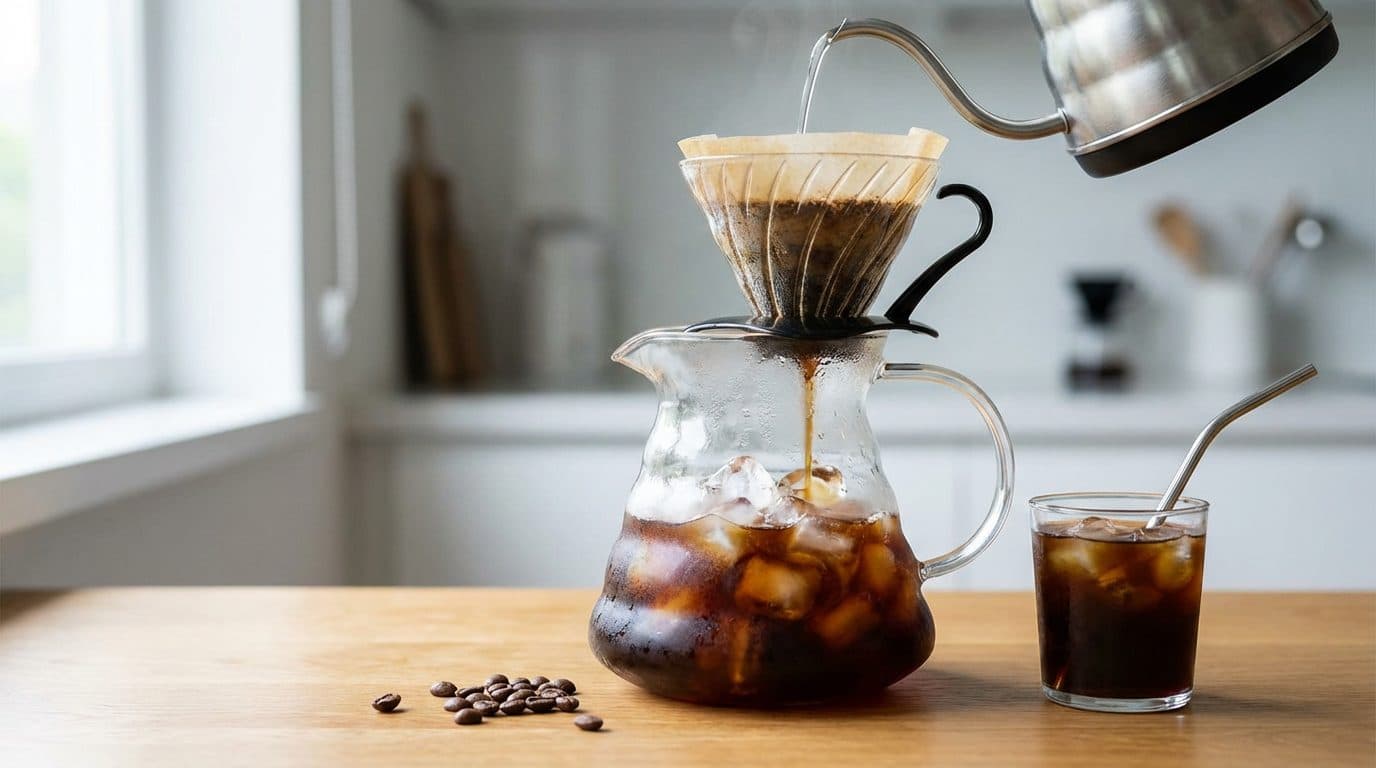
Pour-Over Equipment and Accessories
Drippers, servers, gooseneck kettles, scales, and hand brewers are usually low-risk. A ceramic V60, Chemex, Kalita, or stainless dripper is easy to inspect. The main concerns are cracks, chips, broken handles, inaccurate scales, and kettles with weak heating or bad batteries if electric.
Used scales deserve a quick test with a known weight. Used electric kettles should boil water without odd smells, flickering, or leaks.
Second-Hand Coffee Gear You Should Avoid
Superautomatic Espresso Machines

Used superautomatics are risky because they combine grinder, brew unit, water system, electronics, sensors, and often a milk system in one sealed appliance. A discount can disappear after one service visit.
They also hide problems well. A machine may make one test drink and still have a tired brew group, leaking internal tube, clogged grinder chute, or milk system that was never cleaned properly. Unless it comes refurbished with a warranty from a reputable seller, skip it.
Pod and Capsule Machines
Used pod machines are rarely worth the trouble. New ones are often inexpensive, and used units may have worn pumps, scale, or old residue in the water path. If you want pods, buy new or manufacturer-refurbished with a warranty.
Blade Grinders
A used blade grinder is not a coffee upgrade. It chops unevenly and creates a mix of powder and chunks. Spend the money on an entry-level burr grinder instead, even if you have to wait.
Unknown Brand Espresso Machines
A mysterious chrome machine can look charming in a listing, but unidentified gear is hard to repair. If you cannot find the exact model, manual, common parts, or owner discussions, assume support will be poor.
How to Inspect Used Coffee Gear Before Buying
Questions to Ask the Seller
- Why are you selling it?
- How old is it, and do you have the receipt?
- What water did you use?
- How often was it cleaned or descaled?
- Has anything been repaired or modified?
- Are all original accessories included?
Good sellers usually answer plainly. Vague answers do not always mean dishonesty, but they increase risk.
For Espresso Machines
- See it heat from cold if possible.
- Run water through the group head and steam wand.
- Check for leaks after pressure and heat build.
- Inspect screws, panels, and the drip tray for rust.
- Smell the water tank. Sour or musty odors are a warning.
For Grinders
- Inspect burrs for chips and dull edges.
- Check adjustment movement from coarse to fine.
- Listen for unusual sounds under load.
- Look for cracked hoppers, stripped threads, and missing screws.
- Ask roughly how much coffee it has ground.
For Kettles and Scales
- Test buttons, display, and charging ports.
- Check temperature hold if the kettle has it.
- Look for corrosion near the base or battery compartment.
- Confirm the scale responds quickly and returns to zero.
Where to Find Good Used Coffee Equipment
Specialty forums and coffee communities are often safest because sellers know the gear and care about reputation. Coffee forums, local enthusiast groups, and dedicated swap communities usually beat random listings for transparency.
Local marketplaces can be cheaper because you can inspect in person and avoid shipping damage. Expect more noise: overpriced machines, incomplete listings, and sellers who do not know what they have.
eBay and broad online marketplaces are useful for specific models, but shipping risk is real. Heavy espresso machines need careful packing. A bargain is not a bargain if the boiler arrives cracked or the frame bends in transit.
Estate sales and thrift stores are best for simple gear: drippers, servers, manual grinders, and kettles. For espresso machines, assume unknown history unless you can test properly.
How Much Should You Pay?
A fair used price depends on condition, age, accessories, service history, and local demand. As a rough rule, lightly used current models often sit 20 to 40 percent below new retail. Older but respected gear may be 40 to 60 percent below retail. Rare or cult models can hold value stubbornly.
Do not compare only against the original price. Compare against the current replacement cost, included accessories, and likely parts you may need immediately. A $300 machine that needs $120 in parts is not cheaper than a clean $380 machine.
Red Flags That Should Lower the Price
- The seller refuses an in-person test for a local espresso machine.
- Photos are stock images or hide the group head, burrs, base, or water tank.
- The listing says “needs cleaning” when the machine actually needs diagnosis.
- Accessories are missing and expensive to replace.
- The machine sat unused with water inside.
- The seller cannot provide the exact model number.
One red flag does not always kill a deal, but it should change the price. Two or three red flags usually mean you are buying a project, not a bargain.
Frequently Asked Questions
How do I know if a used espresso machine was maintained?
Ask for specific habits: backflushing schedule, descaling frequency, water type, and cleaning products used. Then verify by inspecting flow, steam, smell, leaks, and residue. Specific answers plus a clean test are much better than “it works great.”
Are refurbished grinders worth buying?
Yes, if the refurbisher is reputable and provides a warranty. Manufacturer-refurbished units are especially attractive because known wear parts may have been replaced and tested.
What parts should I budget for?
For espresso machines, budget for group gaskets, shower screens, seals, cleaning products, and maybe a water filter. For grinders, budget for burrs only if the grinder is old, heavily used, or clearly dull.
How can I test burr sharpness?
Inspect the cutting edges under good light. Sharp burrs have defined edges; dull burrs look rounded or polished. A grind sample also helps: excessive dust mixed with large chunks can suggest dull burrs or alignment problems.
Is vintage espresso gear safe?
Vintage lever machines can be excellent, but electrical safety deserves respect. Old wiring, switches, and heating elements may need professional inspection. Mechanical charm does not cancel electrical risk.
Bottom Line
Buy used coffee gear when the model is known, the condition is testable, and parts are available. Manual espresso machines, premium hand grinders, classic semi-automatics, electric burr grinders, and simple pour-over tools are the strongest categories.
Avoid used superautomatics, unknown-brand espresso machines, pod machines, and blade grinders unless the price is low enough to treat as a gamble. The best second-hand coffee purchase is not the cheapest listing. It is the one that still works well after you bring it home.


Comments