


Table of Contents
- What You'll Need for Coffee Ice Cubes
- Ingredients
- Gear
- How to Make Coffee Ice Cubes: Step-by-Step
- The Basic Method
- Which Coffee Works Best for Coffee Ice Cubes?
- Cold Brew Concentrate
- Leftover Drip Coffee
- Espresso
- Instant Coffee (In a Pinch)
- Creative Variations to Try
- Mocha Coffee Cubes
- Creamy Coffee Cubes
- Sweetened Coffee Cubes
- Vanilla or Caramel Cubes
- Common Mistakes to Avoid
- How to Use Your Coffee Ice Cubes
- Frequently Asked Questions
- How long do coffee ice cubes last in the freezer?
- Can I use decaf coffee for ice cubes?
- Why do my coffee ice cubes taste bitter?
- Can I freeze coffee with milk already in it?
- Do coffee ice cubes work in hot coffee?
- Final Thoughts and Next Steps
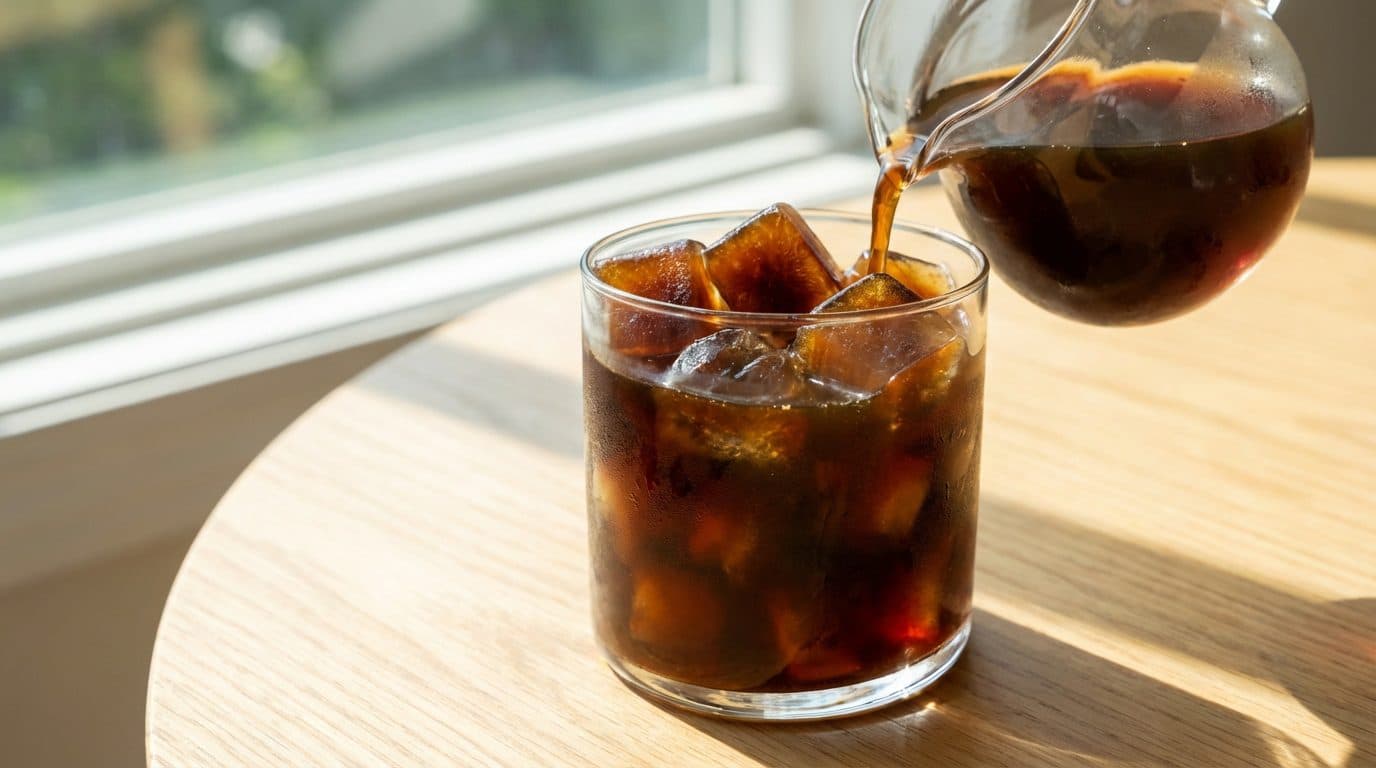
You’ve made the perfect iced coffee—rich, bold, and exactly how you like it. But 20 minutes later, it tastes like watered-down disappointment. Sound familiar? The culprit is almost always regular ice cubes melting into your drink. The solution is surprisingly simple: coffee ice cubes. By freezing coffee instead of water, you create ice that actually strengthens your drink as it melts rather than diluting it. In my experience, this single trick has transformed my summer coffee game more than any fancy gadget ever could.
In this guide, you’ll learn exactly how to make coffee ice cubes, which brewing methods work best, and a few creative variations that’ll make your non-watery iced coffee even more delicious. Life is too short for bad coffee—especially when the fix is this easy.
What You’ll Need for Coffee Ice Cubes
Before you start, gather these simple items. You probably have most of them already.
Ingredients
- Brewed coffee (any method works, but I’ll share my favorites below)
- Optional: milk, cream, or sweetener for flavored variations
- Optional: a splash of vanilla extract or cocoa powder for specialty cubes
Gear
- Ice cube trays (silicone trays release cubes more easily)
- A pitcher or container for cooling coffee
- Freezer space (obvious, but worth mentioning)
- Optional: large cube molds for slower melting
Barista Tip: Silicone ice cube trays are a game-changer here. They make popping out frozen coffee cubes effortless, and you won’t crack or shatter them like you might with rigid plastic trays.
How to Make Coffee Ice Cubes: Step-by-Step
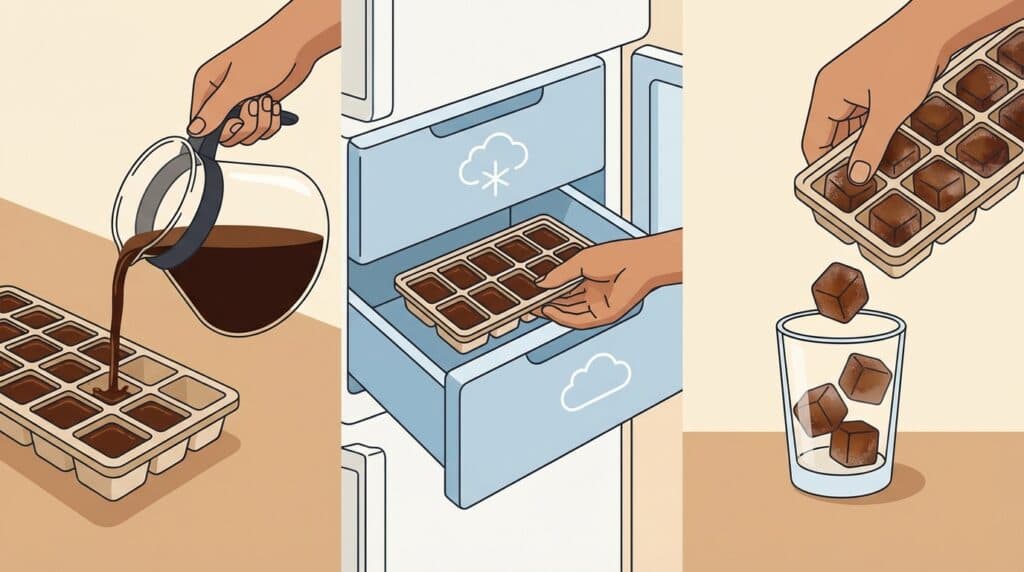
Making coffee ice cubes is straightforward, but a few details make the difference between good and great results. Here’s my tried-and-true method.
The Basic Method
1. Brew your coffee stronger than usual. I recommend using about 1.5 times your normal coffee-to-water ratio. Since the cubes will eventually melt into your drink, starting stronger ensures the flavor holds up.
2. Let the coffee cool to room temperature. Pouring hot coffee directly into ice trays can warp plastic trays and will raise your freezer’s temperature, potentially affecting other frozen items.
3. Pour the cooled coffee into your ice cube trays. Fill them about 90% full—coffee expands slightly when frozen, just like water.
4. Freeze for at least 4-6 hours. For best results, freeze overnight. Fully frozen cubes won’t crack or break apart when you add them to your drink.
5. Pop out the cubes and store them. Transfer frozen coffee cubes to a freezer bag or airtight container. This prevents them from absorbing freezer odors and keeps them fresh for up to two weeks.
Taste Profile: When made with a medium roast, expect a smooth, slightly sweet flavor that intensifies as the cubes melt. Dark roasts create bolder, more robust cubes with chocolatey undertones.
Which Coffee Works Best for Coffee Ice Cubes?
Not all coffee is created equal when it comes to freezing. I’ve tested several methods, and here’s what I’ve found works best.
Cold Brew Concentrate
This is my top recommendation. Cold brew is naturally smoother and less acidic than hot-brewed coffee, which translates beautifully into ice cubes. The concentrate is already strong, so you don’t need to adjust ratios. Plus, cold brew cubes taste incredibly smooth as they melt.
Leftover Drip Coffee
Got half a pot sitting in your coffee maker? Don’t dump it down the drain. Leftover drip coffee makes perfectly acceptable ice cubes. Just remember it’s already at standard strength, so your iced coffee might taste slightly milder as the cubes melt.
Espresso
If you have an espresso machine, freezing espresso shots creates intensely flavored cubes. These are perfect for milk-based iced drinks like iced lattes. One or two espresso cubes can transform a glass of cold milk into a proper coffee drink.
Instant Coffee (In a Pinch)
I’ll be honest—this isn’t my first choice. But if you’re in a hurry, dissolving instant coffee in water at double strength and freezing it works. The flavor won’t be as nuanced, but it beats watery iced coffee any day.
Barista Tip: Avoid using flavored coffees with artificial additives for ice cubes. The freezing process can sometimes make artificial flavors taste off or overly sweet.
Creative Variations to Try
Once you’ve mastered basic coffee ice cubes, it’s time to experiment. These variations add extra dimension to your iced coffee experience.
Mocha Coffee Cubes
Stir a tablespoon of chocolate syrup or cocoa powder into your coffee before freezing. As these cubes melt, they create a gradual mocha effect. I love using these in vanilla-flavored iced coffee for a homemade mocha experience.
Creamy Coffee Cubes
Mix equal parts coffee and your favorite milk or cream before freezing. These cubes are perfect for people who like their iced coffee on the lighter side. As they melt, your drink becomes creamier rather than more watery.
Sweetened Coffee Cubes
Add your preferred sweetener to the coffee while it’s still warm (so it dissolves completely), then freeze. This is brilliant for people who like sweet iced coffee—the sweetness releases gradually as you drink.
Vanilla or Caramel Cubes
A few drops of vanilla extract or a swirl of caramel sauce before freezing creates specialty cubes that would cost you extra at a coffee shop. These work especially well in milk-based iced drinks.
In short: the possibilities are endless. Think about what you normally add to your iced coffee and consider freezing it right into the cubes.
Common Mistakes to Avoid
Even something as simple as coffee ice cubes can go wrong. Here are the pitfalls I’ve learned to avoid over the years.
- Using weak coffee: Standard-strength coffee produces cubes that taste watery even before they melt. Always brew stronger than you normally would.
- Skipping the cooling step: Hot coffee in the freezer creates ice crystals and can affect the texture. Patience pays off here.
- Storing cubes uncovered: Coffee absorbs odors like a sponge. Those cubes will taste like last week’s frozen pizza if you leave them exposed.
- Using old, stale coffee: Freezing doesn’t improve bad coffee—it preserves it. Start with fresh, quality beans for the best results.
- Overfilling the trays: Coffee expands when frozen. Overfilled trays create a mess and cubes that stick together.
Key Takeaway: The quality of your coffee ice cubes directly reflects the quality of the coffee you freeze. Garbage in, garbage out—so use coffee you’d actually enjoy drinking.
How to Use Your Coffee Ice Cubes
Now for the fun part. Here are some ways to put your coffee ice cubes to work.
The most obvious use is dropping them into freshly brewed iced coffee. Fill a glass with coffee ice cubes, pour cold or room-temperature coffee over them, and enjoy a drink that stays strong from first sip to last.
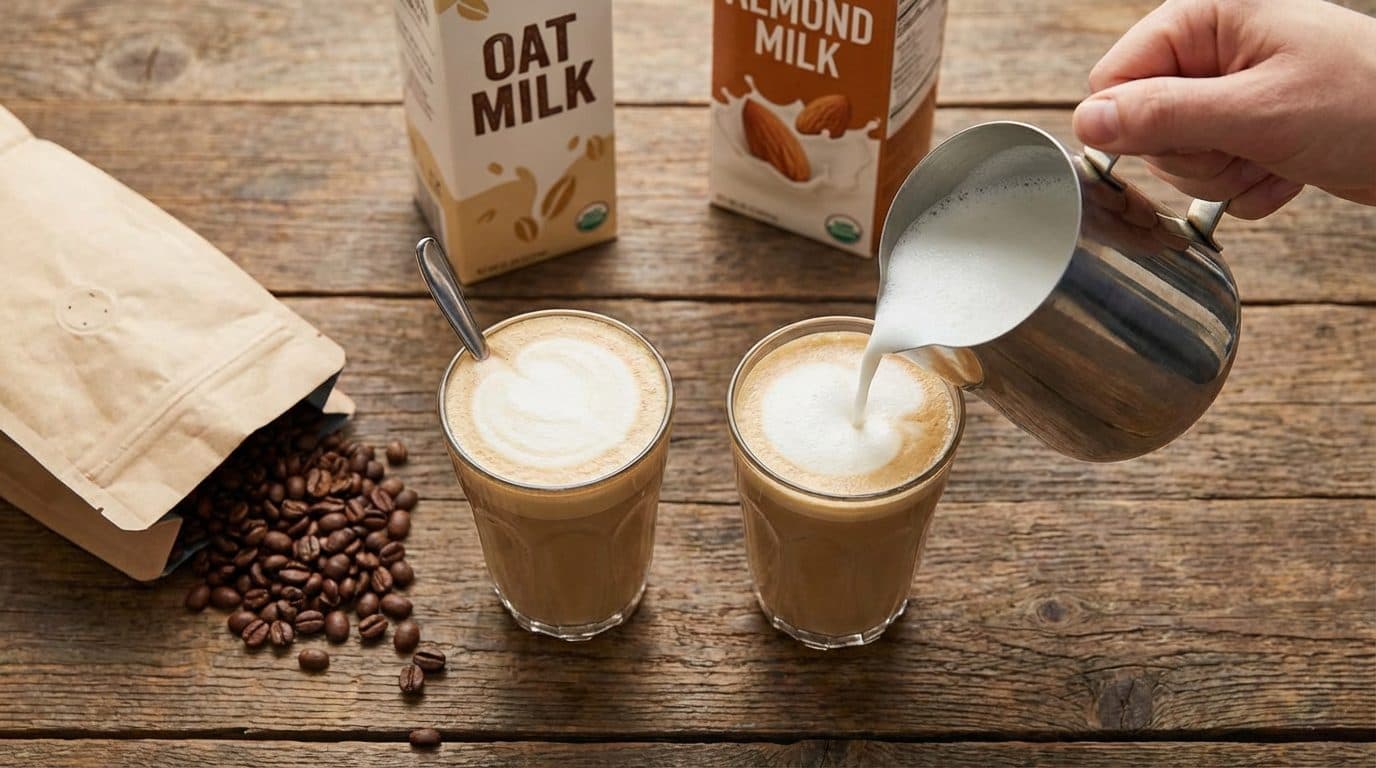
For iced lattes, fill a glass with coffee ice cubes (espresso cubes work especially well here), then pour cold milk over them. As the cubes melt, your milk transforms into a perfectly balanced latte.
Coffee ice cubes also work wonderfully in smoothies. Blend them with banana, a splash of milk, and a spoonful of peanut butter for a protein-packed coffee smoothie that doesn’t taste diluted.
I’ve even used them in cocktails. An espresso martini made with coffee ice cubes instead of regular ice? Chef’s kiss.
Frequently Asked Questions
How long do coffee ice cubes last in the freezer?
When stored properly in an airtight container or freezer bag, coffee ice cubes stay fresh for about two weeks. After that, they may start absorbing freezer odors or developing freezer burn. For best flavor, try to use them within the first week.
Can I use decaf coffee for ice cubes?
Absolutely. Decaf works just as well as regular coffee for making ice cubes. This is a great option if you enjoy iced coffee in the evening but want to avoid caffeine. The freezing process doesn’t affect the decaffeination.
Why do my coffee ice cubes taste bitter?
Bitter cubes usually come from over-extracted or burnt coffee. If you’re using drip coffee, make sure it hasn’t been sitting on a hot plate for hours. Cold brew concentrate tends to produce the smoothest, least bitter cubes because of its gentle extraction process.
Can I freeze coffee with milk already in it?
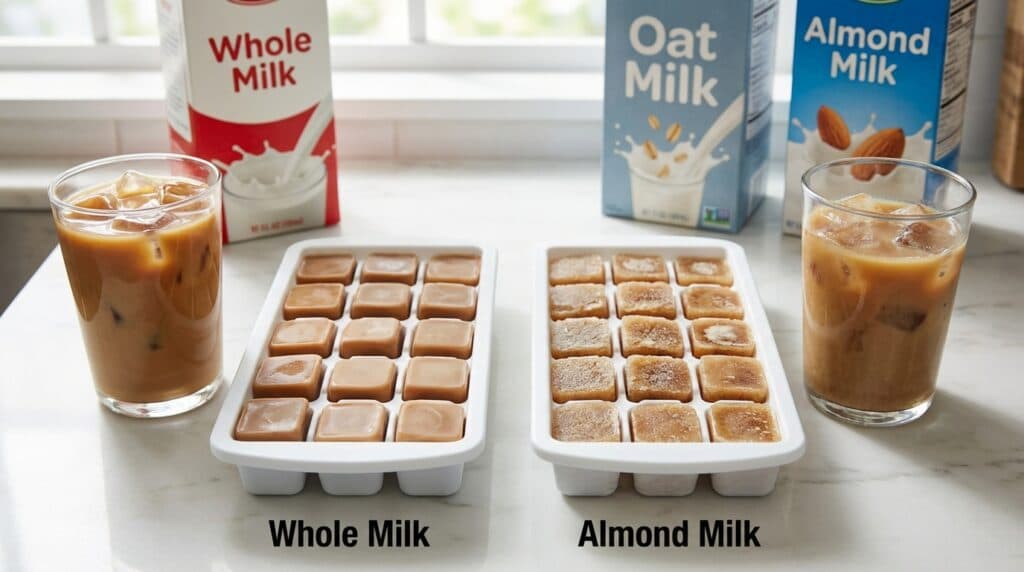
Yes, but with a caveat. Dairy can sometimes separate slightly when frozen and thawed, creating a grainy texture. If you want creamy cubes, I recommend using a higher fat content milk or cream, which freezes more smoothly. Plant-based milks vary—oat milk freezes well, while almond milk can become watery.
Do coffee ice cubes work in hot coffee?
They can, but it defeats the purpose. Adding coffee ice cubes to hot coffee will cool it down rapidly and create a lukewarm drink. They’re specifically designed for iced coffee applications where you want to maintain temperature and flavor strength.
Final Thoughts and Next Steps
Making coffee ice cubes is one of those small upgrades that delivers outsized results. With minimal effort—literally just freezing coffee you’ve already made—you eliminate the single biggest complaint about iced coffee: that sad, watery taste at the bottom of the glass.
Start with a basic batch using whatever coffee you have on hand. Once you see (and taste) the difference, experiment with the variations that appeal to you. Mocha cubes, creamy cubes, sweetened cubes—they’re all just a freeze away.
Your next iced coffee doesn’t have to be a race against melting ice. Make a batch of coffee ice cubes this weekend, and you’ll wonder why you didn’t start sooner. Your future self, sipping a perfectly strong iced coffee on a hot afternoon, will thank you.


Comments